
 Nakalama John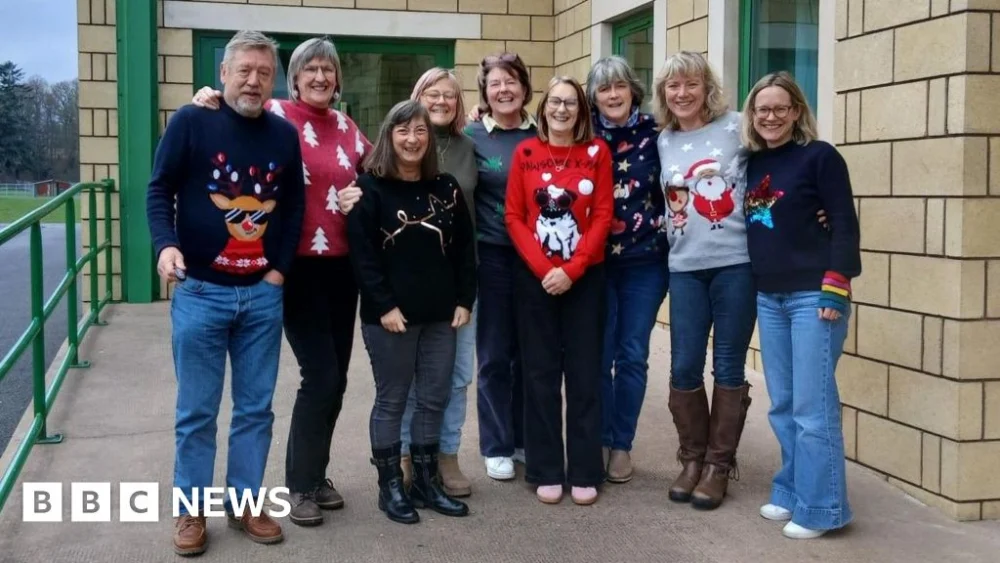
A bedrock of community compassion, a charity born from the collective conscience of Borders farmers’ wives in the 1960s, is marking its remarkable 60th anniversary with an urgent appeal for heightened public support. The Borders Children’s Charity (BCC), an organisation that has quietly championed the welfare of vulnerable young people across the Scottish Borders for six decades, now finds itself facing an unprecedented surge in demand, underscoring persistent and growing poverty within the region.
Linda Runciman, the current chair of the BCC, a retired primary school teacher whose career was dedicated to nurturing young minds, articulated the escalating challenges with a somber clarity. "Demand for help is growing," she stated, highlighting that the single most frequent request received by the charity is for a child’s bed. This seemingly simple plea, she explained, speaks volumes about the depth of hardship many families endure, a level of poverty that, far from abating, appears to be intensifying across the picturesque but often overlooked rural landscape of the Borders. The absence of a proper bed, a fundamental human right, strips children of dignity, impacts their health, and hinders their ability to thrive both academically and socially. Children sleeping on floors or sharing inadequate bedding are not only physically uncomfortable but also emotionally disadvantaged, affecting their concentration at school and overall well-being.
In recent years, the BCC has increasingly found itself compelled to step into a crucial, yet challenging, role: filling the widening chasms left by the diminishing services once reliably provided by local authorities and health services. A landscape of austerity, budget cuts, and re-prioritisation has seen public sector provisions shrink, leaving many families in dire need with fewer places to turn. This places an immense, often unexpected, burden on grassroots charities like the BCC, which operate with limited resources but an abundance of dedication and local knowledge, acting as a critical safety net for the most vulnerable.
The genesis of the Borders Children’s Charity is a testament to the power of community action and empathetic leadership. "The charity started in 1965 when some Borders farmers’ wives recognised that a child living close by was in dire need," Linda Runciman recounted, painting a vivid picture of its humble beginnings. In an era predating extensive national social welfare programmes, particularly in isolated rural areas of Scotland, these women, deeply rooted in their communities and acutely aware of their neighbours’ struggles, took it upon themselves to act. They came together, pooling their resources, their formidable local networks, and their determination, to provide direct, tangible assistance. What began as an informal response to an immediate crisis – perhaps a child lacking proper clothing for school or a warm bed during a harsh Borders winter – gradually formalised, evolving over sixty years into the robust and vital organisation it is today. Their initial act of kindness laid the foundation for a legacy of compassion that has touched countless lives across the region.
For decades, the charity’s growth and sustenance have largely relied on word-of-mouth referrals and the quiet generosity of local benefactors who understood and valued its discreet but profound impact. However, recognising the unprecedented scale of current needs, exacerbated by the ongoing cost of living crisis and reduced public spending, the BCC has made a pivotal decision in its 60th year. "We’ve decided… to get out there and raise awareness, to try to attract more referrals from all areas of the Scottish Borders and more funding to help us meet these needs," Runciman explained. This proactive outreach marks a new chapter for the organisation, moving from a quietly impactful presence to a more visible advocate for the region’s children, seeking to ensure no child slips through the cracks of a strained system.
The support provided by the Borders Children’s Charity extends far beyond mere essentials, though these remain critically important. "We provide basic comforts that some people take for granted," Runciman elaborated, "like beds, bedroom furniture, carpets for children’s rooms." Imagine the profound transformation a child’s life undergoes with the simple provision of a safe, warm bed – a private space to rest, dream, and recover, far removed from the cold floor or shared, overcrowded spaces many endure. A carpet in a child’s room offers warmth, comfort, and a designated space for play and learning, fostering a sense of belonging and stability within their own home. These provisions are not luxuries but foundational elements for healthy development.
But the charity’s remit is broader, aiming to foster holistic well-being and inclusion, understanding that a child’s dignity is tied to their ability to participate fully in life. "We also pay for shoes, school uniforms, sports kit and school trips," Runciman continued, articulating a profound belief central to the BCC’s mission: "because we believe that all children should be able to be part of their school community." In a society where economic disparities can cruelly mark children, the ability to attend school wearing a clean, appropriate uniform, participate in sports with the right gear, or join classmates on an educational trip can be the difference between feeling included and feeling isolated. These seemingly small contributions ensure that financial hardship does not become an insurmountable barrier to education, social development, and self-esteem. "Sadly, there’s an increasing number of families who can’t afford that," she lamented, underscoring the growing chasm between aspiration and reality for many in the Borders. The psychological burden of exclusion can be as damaging as material deprivation.
The charity’s scope has also adapted to evolving societal needs, demonstrating its flexibility and responsiveness. Beyond material provisions, the BCC has witnessed a significant rise in demand for help with respite care for children who shoulder the immense responsibilities of being young carers. These children, often sacrificing their own childhoods to look after ill, disabled, or elderly family members, desperately need breaks to simply be children. The charity steps in to provide opportunities for them to experience joy, relaxation, and a temporary reprieve from their demanding roles. Furthermore, the BCC offers crucial support for children and families living with disabilities, often providing specialised equipment, therapy, or access to tailored activities that public services may no longer adequately cover. This nuanced approach demonstrates the charity’s commitment to addressing the multifaceted challenges faced by vulnerable young people, recognizing that each child’s needs are unique and complex.
Last year alone, the Borders Children’s Charity expended more than £90,000 on providing this wide variety of support. This substantial figure, Linda Runciman acknowledged, vividly illustrates the extent to which the charity is now operating in areas that were once the domain of the NHS or local council services. "We are often stepping in where previously the NHS or council might have done," she stated, highlighting the systemic shift in responsibility and the increasing reliance on the third sector to provide essential social safety nets. This financial commitment reflects not only the volume of need but also the BCC’s operational efficiency, the meticulous vetting of requests, and the profound trust placed in it by its donors, ensuring funds are directed where they can make the most tangible difference.
The current campaign to raise awareness of the BCC is driven by a twin objective. Firstly, it aims to inform a broader spectrum of health and education professionals – teachers, social workers, health visitors, and community nurses – about the comprehensive support available through the charity. By ensuring these frontline workers are fully aware of the BCC’s services and referral process, more children and families in need can be effectively identified, referred, and access the timely help they deserve, ensuring no child is overlooked. Secondly, the appeal seeks to engage more local businesses, encouraging them to consider the Borders Children’s Charity when allocating their corporate social responsibility budgets or charitable giving. Local businesses are vital arteries of the community, and their support, whether financial or in-kind, can provide a sustainable financial backbone for the charity’s ongoing work, fostering a symbiotic relationship between local enterprise and social welfare.
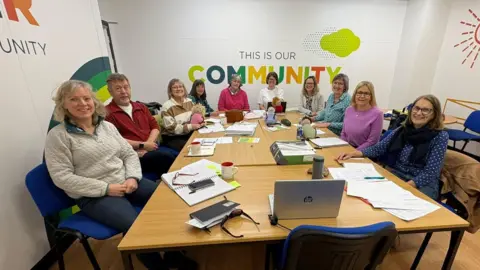
Reflecting on the charity’s enduring legacy, Linda Runciman expressed profound pride and a clear, urgent vision for the future. "The BCC has been able to make a real difference to children’s lives for 60 years now," she affirmed, a testament to the perseverance and foresight of its founders. "We want to keep it going and support more children because there are definitely more children out there needing that support." This statement encapsulates the unwavering dedication that has sustained the charity since its inception by those compassionate farmers’ wives. The spirit of community, the simple yet profound act of helping a neighbour in need, continues to be the driving force behind the Borders Children’s Charity. As it steps into its seventh decade, the BCC remains a beacon of hope, committed to ensuring that every child in the Scottish Borders has the fundamental comforts, opportunities, and dignity they deserve, relying on the generosity and awareness of the wider community to continue its vital work. The charity’s unwavering commitment, exemplified by figures like Requests Officer Vicki Wauchope and former chair Penny Stratford, whose efforts were notably celebrated by the Duke of Buccleuch for their significant contributions, underscores the collective effort dedicated to safeguarding the future of the Borders’ youngest generation. Their plea for support is not just about funding; it’s about fostering a community where no child is left behind.




 Ramos Leo
 Roy Suryo
 Nana Banana

 atisusanti