
 Nana Banana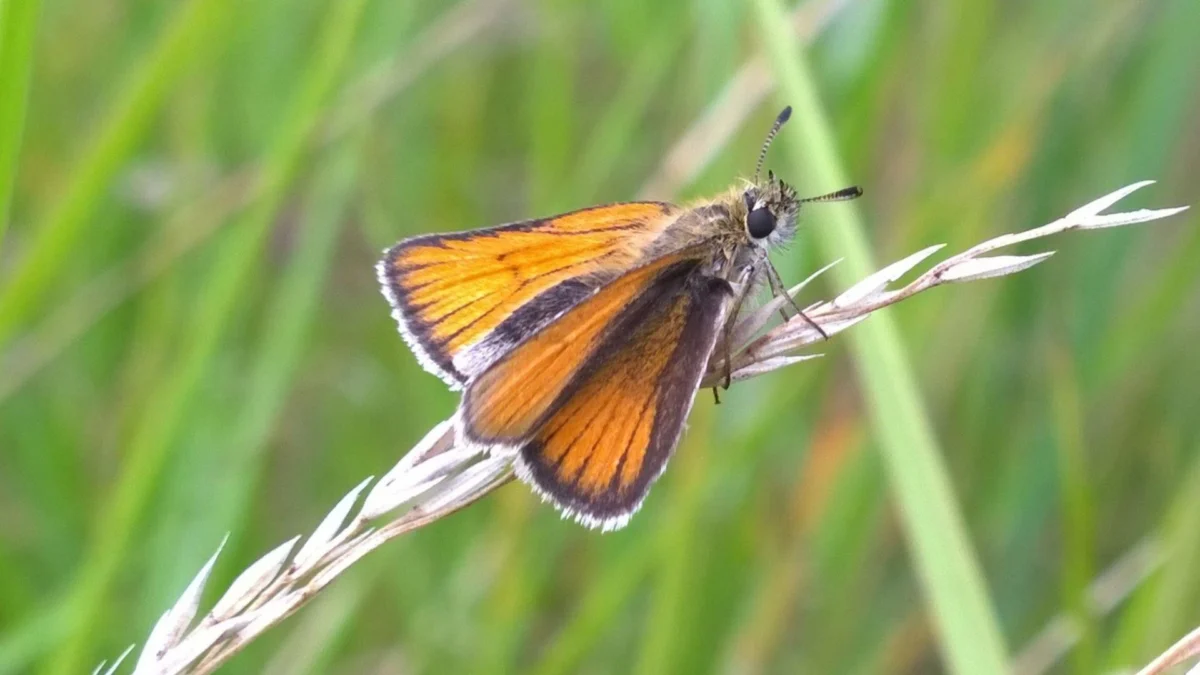
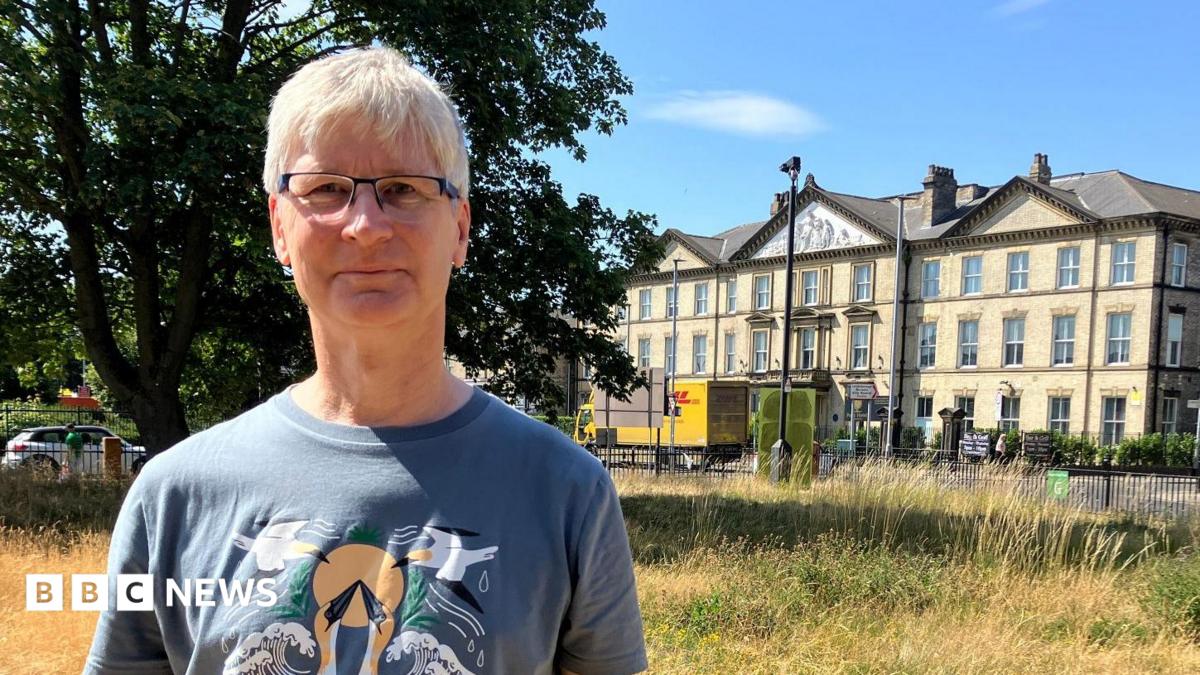
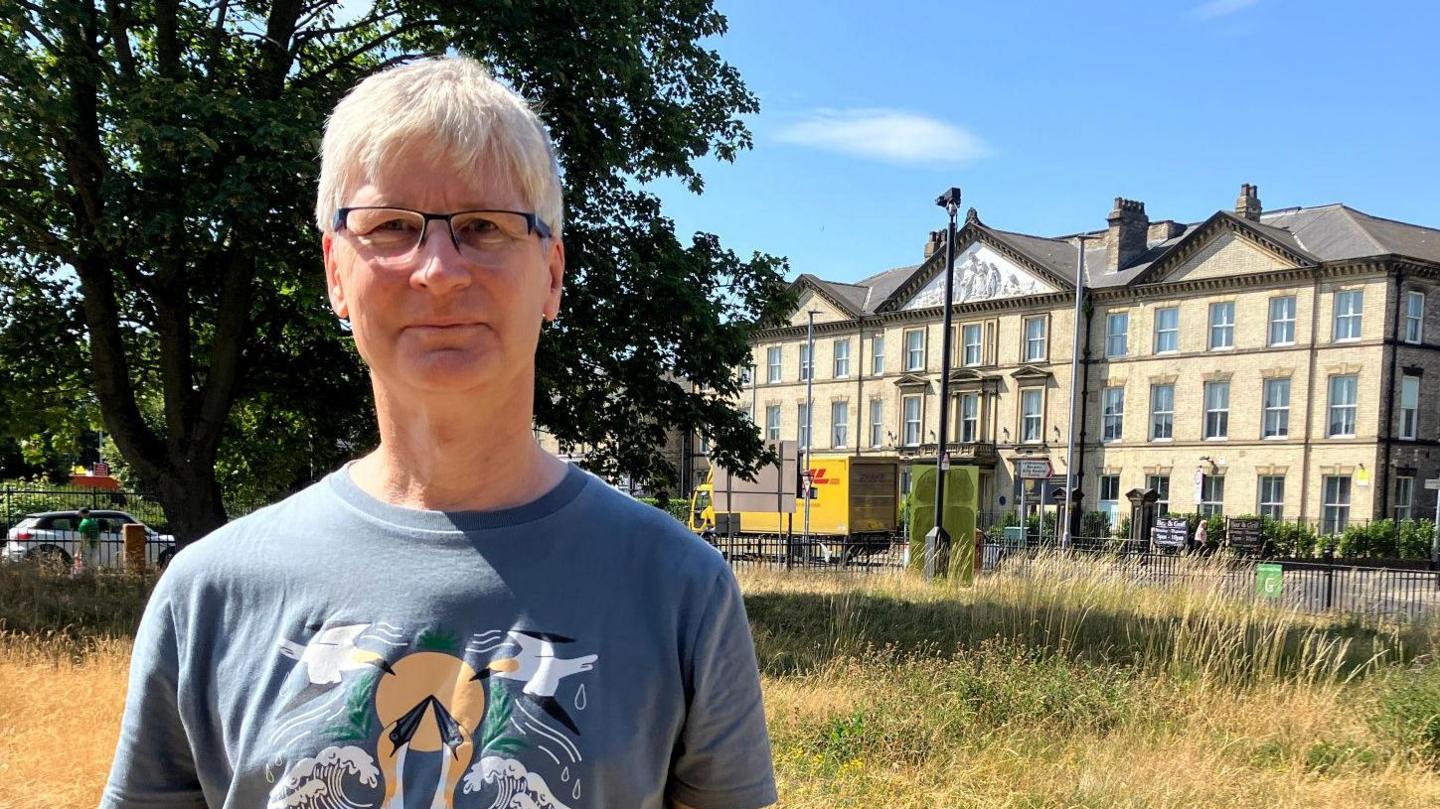
At the core of this ecological success story is the careful cultivation of native grasses and wildflowers, specifically chosen to support the entire lifecycle of local butterfly populations. Sean Clough, a leading figure from Hull Butterfly City, highlighted the extraordinary discovery of breeding small skipper butterflies within the meadow, a phenomenon he describes as "rare for a city." The presence of breeding populations, rather than just transient visitors, signifies a truly healthy and sustainable habitat capable of supporting future generations of these delicate insects.
The small skipper, Thymelicus sylvestris, is a charming, small orange-brown butterfly typically found in grasslands and open woodlands. Its caterpillars feed exclusively on certain grasses, making the availability of uncut grass crucial for its survival. As Clough explained, "the tiny caterpillar spends the winter inside a grass sheath," necessitating a departure from conventional urban landscaping practices where grass is routinely mown short. This simple yet profound change in land management allows the caterpillars to complete their development undisturbed, emerging as adult butterflies the following summer.
The "mini meadow" was established in 2023, marking a significant step in a broader scheme championed by Hull Butterfly City to encourage individuals and organisations across the city to cultivate plants that serve as vital food sources for caterpillars. While many understand the critical role flowering plants play in providing nectar for adult pollinators like butterflies and bees, the equally important need for specific host plants for their larval stages is often overlooked. "Everyone understands the role that flowering plants play for pollinators, but equally important for butterflies is to have the right plants for their caterpillars to eat, because most species of butterflies are very specific about what their caterpillars eat," Clough emphasised. For instance, the nettle is essential for Red Admiral and Peacock butterflies, while various clovers and bird’s-foot trefoil are crucial for Common Blue caterpillars. The success of the Hull meadow lies in its provision of both nectar-rich flowers for adult butterflies and the specific grasses and other plants required by their hungry larvae.
Beyond the small skipper, the list of ten butterfly species observed is likely to include other common urban and grassland dwellers. Species such as the Meadow Brown, Gatekeeper, Large White, Small White, Green-veined White, Speckled Wood, and perhaps even the occasional Small Tortoiseshell or Red Admiral, are all beneficiaries of this enhanced biodiversity. These species, while robust, still require specific habitats that are increasingly scarce in intensively managed urban environments. The meadow provides a mosaic of tall grasses, varied wildflowers, and sheltered spots, creating a microhabitat that supports a diverse insect community.
Indeed, the positive impact extends far beyond butterflies. The thriving ecosystem has become a haven for a multitude of other wildlife. Dragonflies, with their iridescent wings and predatory prowess, now dart across the flowering grasses, drawn by the increasing insect population. Grasshoppers chirp amidst the foliage, adding to the symphony of nature. A closer inspection would likely reveal a buzzing array of bees, hoverflies, and other beneficial insects, all playing their part in the delicate balance of the ecosystem. Small birds, too, may find rich pickings among the insect-laden vegetation, and even hedgehogs or other small mammals might traverse this greener corridor, seeking food or shelter.
The Land Registry’s commitment to this project has been pivotal. Sarah Duell, head of sustainability at the Land Registry, shared insights into the project’s inception and the positive reception from staff. Initially, there were understandable concerns that allowing parts of the land to "go wild" might lead to it looking "a bit of a mess" – a common perception challenge for urban rewilding initiatives. However, through open dialogue and a clear understanding of the project’s ecological goals, these concerns were addressed. "But we got together and talked about the fact that it’s going to be pieces of the grass rather than the whole grass," Duell explained, highlighting a measured approach that balances aesthetics with ecological benefit.
The shift in perception was swift and profound once the meadow began to establish itself. "Once it got going, we had a little look around and started to see some of the insects and some of the butterflies coming to the areas that we have left to go wild," Duell recounted. This tangible evidence of nature reclaiming its space resonated deeply with the employees. "It was really, really exciting for us and for the office in general." The presence of a vibrant natural space just outside their windows offers numerous benefits to staff, from improved mental well-being and reduced stress to a greater connection with nature and a sense of pride in their organisation’s environmental stewardship. This project aligns perfectly with broader corporate social responsibility and sustainability goals, demonstrating a practical commitment to biodiversity conservation in an urban setting.
The success of Hull’s "mini meadow" offers a powerful model for other urban areas grappling with biodiversity loss and the need for more green spaces. In an era where climate change and habitat destruction pose significant threats to global biodiversity, every patch of land, no matter how small, can play a vital role. Urban green spaces not only support wildlife but also provide essential ecosystem services, such as improving air quality, mitigating urban heat island effects, and managing stormwater runoff. They also enhance the quality of life for city residents, offering opportunities for nature connection, education, and recreation.
Hull Butterfly City’s vision extends beyond this single meadow. The hope is that this success will inspire more businesses, public bodies, and private residents across Hull to adopt similar practices, creating a network of interconnected green spaces that allow wildlife to thrive. Imagine a city where "no mow" zones become commonplace, where wildflowers line public paths, and where every garden contributes to a larger ecological tapestry. Educational outreach and community involvement are crucial components of such a vision, empowering citizens to become active participants in fostering a healthier, greener urban environment. The project is a shining example of how, with a little foresight and a willingness to embrace nature’s wilder side, even the most urbanised landscapes can be transformed into thriving havens for wildlife, proving that a "butterfly city" can indeed bloom in the most unexpected of places.



 Roy Suryo

 Nakalama John
 atisusanti
 Ramos Leo
