
 Ramos Leo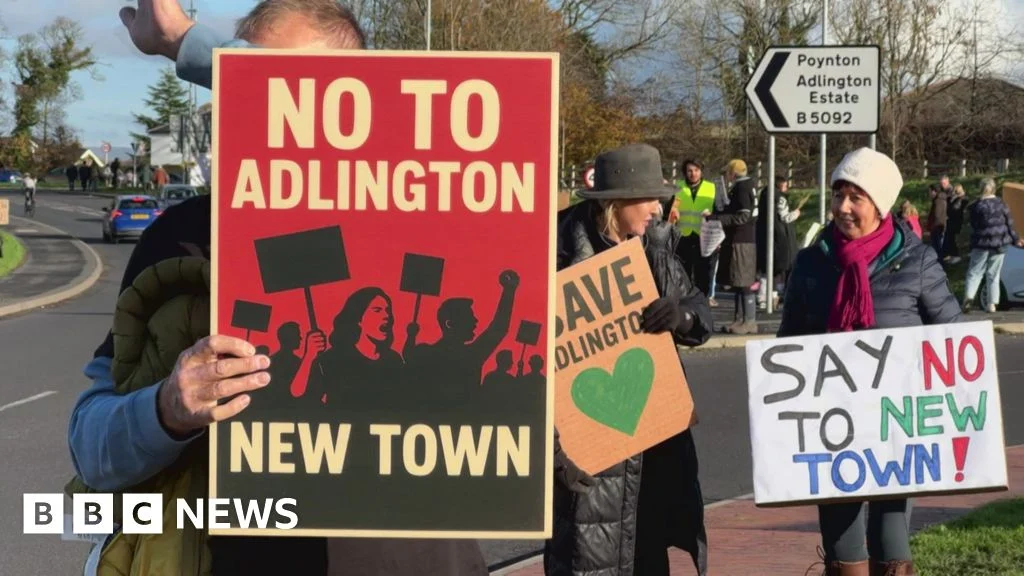
The proposal, spearheaded by developer Belport and unique in that it was not initiated by a local authority, had envisioned a large-scale housing development that would have fundamentally transformed the character of Adlington. New town designations typically grant developers and councils sweeping powers, including expedited planning processes and the potential for compulsory purchase orders, to facilitate rapid and extensive construction. These powers would have allowed for a much greater scale of development than usually permitted under standard planning regulations, circumventing many of the usual checks and balances that protect local areas.
From the moment the plans became public, they ignited a fierce backlash across the community. Residents expressed deep concerns about the potential loss of green belt land, the irreversible alteration of Adlington’s rural landscape, and the severe strain such an influx of housing would place on existing infrastructure. The village, situated near Macclesfield, is characterized by its small-town charm, with a village hall, a pub, and a railway station serving a close-knit community. Opponents argued that its roads, schools, healthcare facilities, and other essential services were already stretched and utterly unprepared to accommodate the thousands of new residents a "new town" would bring.
Aysha Hawcutt, a prominent campaigner, articulated the sentiment of many, stating that while residents were "not anti-homes," the Adlington plan was undeniably "the wrong proposal in the wrong place." This nuanced position highlighted a desire for sensible, proportionate development that addressed genuine housing needs without sacrificing the village’s identity or environmental integrity. The campaign group underscored that their objection was not to progress or the provision of housing, but to the specific nature and scale of the proposed transformation.
The opposition quickly mobilized into a formidable grassroots movement. Local residents organized numerous protests, both within Adlington itself and outside the chambers where Cheshire East Council held its crucial meetings. These demonstrations were often vibrant, featuring banners, placards, and even a memorable participant dressed as a dinosaur, holding a sign proclaiming, "Hear our voices, hear us roar." The visual impact and consistent presence of these protestors ensured that the community’s discontent was impossible to ignore, sending a clear message to both local and national decision-makers.
The campaign gained significant political traction with the active involvement of local Labour MP Tim Roca. He championed the cause in Parliament, presenting a petition that had garnered thousands of signatures from concerned residents. This parliamentary intervention elevated the local issue to the national stage, forcing government ministers to acknowledge the strength of feeling in Adlington and the broader implications of such large-scale developments. Furthermore, the perceived initial lack of support or robust opposition from some local authority figures led to calls for council leaders to resign, reflecting the depth of public frustration with the handling of the proposal.
Cheshire East Council, initially seen by some as potentially open to the idea, eventually responded to the overwhelming public outcry and the compelling arguments put forth by campaigners. At a critical meeting in December, the council voted unequivocally to oppose the new town plans for Adlington. This decisive vote was a turning point, signaling that the local authority recognized the profound unsuitability of the proposal. Following their vote, the council formally communicated its opposition to the government, reinforcing the local consensus against the development. Both Cheshire East Council and the developer, Belport, were approached for comment regarding the latest developments, reflecting the ongoing nature of engagement surrounding the issue.
The government’s announcement, which confirmed Adlington would not be designated as a new town, was met with jubilation and a sense of profound relief among campaigners. Aysha Hawcutt expressed her delight, stating she was "thrilled" by the news and "proud of our little village for standing so strong." She acknowledged that this victory did not eliminate all future development threats but significantly altered the landscape. "But without those sweeping powers that would have been granted if it had been designated as a new town area, then those plans – those threats – will have to be scaled back and fall within normal planning guidelines and legislation," she explained, highlighting the critical difference the absence of new town status would make.
Simon Gleave, chairman of Adlington Parish Council, echoed this sentiment, crediting the "massive local support group" and affirming that their "hard work had definitely worked." He described the government’s decision as a "complete shock" in its timing, as the council had anticipated a draft report before a final announcement. Despite the positive outcome, Gleave remained cautious about the government’s statement that Adlington was "deemed to be credible development opportunities and may continue to be supported through existing housing programmes."

Gleave clarified the Parish Council’s ongoing concerns: "Yes, it says Adlington is a credible location for development, but it doesn’t change the fact it’s still green belt, the infrastructure’s not here, and the local services aren’t here to support any sort of major development." This statement underscores the persistent issues that would make any significant development challenging under conventional planning rules. The Parish Council’s philosophy remains steadfast: "Adlington needs some development but the right development for the right people in the right location. Brownfield first, greenbelt never. We should be a last resort if it ever was needed." This principle champions sustainable growth that prioritizes the reuse of previously developed land over encroaching on protected green spaces.
The government, in its official statement, confirmed that Adlington and other areas considered for new town status would not be taken forward under that designation. However, it did reiterate that these locations were "deemed to be credible development opportunities and may continue to be supported through existing housing programmes." This phrasing suggests that while the expedited and extensive powers of a new town designation are off the table, the area could still face conventional planning applications for housing developments. The government has since been asked for more information regarding its specific rationale for not proceeding with Adlington as a new town, and what precisely "credible development opportunities" entails for the village going forward.
This outcome represents a significant triumph for community activism and local democracy, demonstrating the power of organized resistance against top-down development plans. It reinforces the importance of local voices in shaping the future of their environments and highlights the complex interplay between national housing targets, local infrastructure realities, and environmental protection. For Adlington, the immediate future is one of celebration and relief, tempered by an ongoing vigilance to ensure that any future development proposals align with the community’s vision for sustainable, appropriate growth.




 Roy Suryo

 Nakalama John
 atisusanti
