
 Ramos Leo
For Rachel Reeves, the immediate challenge is to react in real-time to an unfolding economic shock. Her address to the Commons will specifically focus on the domestic impact of the Middle East situation, structured around three key elements designed to reassure and prepare the nation. Firstly, she is expected to provide a concise update on how the international conflict is already influencing the UK economy. This update will likely touch upon the pressures on global energy markets, potential inflationary spikes, and the broader impact on supply chains and consumer confidence, all of which contribute to a complex fiscal landscape that demands agile management.
The second core component of Reeves’ statement will revolve around the critical issue of energy security. In a firm commitment to bolstering the nation’s resilience, the Chancellor will pledge to accelerate the delivery of new nuclear power stations. This initiative underscores a long-term strategy to diversify the UK’s energy mix, reduce reliance on volatile international fossil fuel markets, and ensure a stable, domestically sourced power supply. The necessary legislation to facilitate the construction of these vital infrastructure projects is anticipated later this year, with further details expected to be unveiled during the King’s Speech in May. This move signals a significant push towards a more self-sufficient energy future, aiming to insulate the UK from future geopolitical shocks.
Crucially, Reeves will also introduce what is being described as a "new anti-profiteering framework." This innovative measure is designed to empower the regulator, the Competition and Markets Authority (CMA), with new, time-limited, and targeted powers. The aim is to proactively tackle companies that might exploit rising prices, particularly during times of national or international economic strain, to unfairly inflate their profits at the expense of consumers. This framework seeks to provide a robust safeguard against market manipulation and ensure that any price increases are genuinely reflective of global market conditions rather than opportunistic exploitation.
Perhaps the most anticipated aspect of the Chancellor’s address, and central to the prevailing national concern, will be her articulation of the principles that will guide any future government support for families should energy bills continue to spiral in the coming months. With the existing energy price cap on gas and electricity firmly in place until the end of June, ministers currently have a crucial window to meticulously assess what forms of support might be feasible, financially affordable, and genuinely necessary.
Reeves is expected to signal a significant departure from previous crisis interventions, indicating that providing universal support to every household, as seen during past crises, would likely be neither fair nor affordable in the current economic climate. This stance marks a clear shift from the broad-brush approach adopted during Liz Truss’s premiership, following Russia’s full-scale invasion of Ukraine. That period saw substantial government interventions, including the Energy Price Guarantee, which had profound and widely debated consequences for the public finances. Similarly, the vast government expenditures during the COVID-19 pandemic further stretched the national purse. These historical interventions, while arguably necessary at the time, contribute significantly to the current fiscal reality where the cost of servicing the national debt now consumes approximately £1 in every ten pounds the government spends.
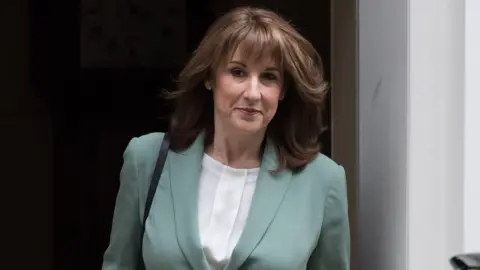
The principles guiding future support are therefore expected to lean heavily towards targeted assistance. This implies a strategic focus on identifying and supporting the most vulnerable households, such as those on low incomes, receiving benefits, or with specific needs that make them particularly susceptible to energy price shocks. The debate around means-testing versus universal benefits has long been a contentious one, but the current financial constraints and the desire for fiscal responsibility appear to be pushing the government towards a more selective approach. This targeted strategy would aim to ensure that limited public funds are directed precisely where they are most needed, maximizing their impact while minimizing the burden on the national debt. Details on the specific criteria for such targeted support, should it become necessary, will undoubtedly be subject to intense scrutiny and debate.
Beyond immediate financial relief, another prominent message expected from ministers is a resolute commitment to "going gangbusters on renewables and nuclear." This phrase encapsulates an aggressive push towards accelerating the deployment of clean energy technologies alongside the development of new nuclear capacity. This dual-pronged approach is seen as crucial for achieving both long-term energy security and the UK’s ambitious climate targets.
This commitment comes amidst a renewed political debate regarding domestic fossil fuel extraction. While some, including Conservatives, Reform UK, and certain Labour MPs, have advocated for authorizing new drilling for oil and gas in the North Sea as a means to enhance energy independence, Energy Secretary Ed Miliband offered a robust counter-argument during a meeting of Labour backbenchers recently. He asserted that "Anyone who tells you that new licences in the North Sea will make any difference to price is not telling you the truth. Because gas is bought and sold on the international market and the price is set there." Miliband’s statement underscores the government’s view that increasing domestic supply of fossil fuels would have a negligible impact on consumer prices, which are dictated by global market dynamics.

Instead, Miliband’s immediate focus today is on promoting accessible renewable energy solutions for individual households. He is set to highlight the imminent availability of plug-in solar panels in the UK later this year. These innovative panels, expected to be retailed in supermarkets within the coming months, will be designed for ease of use and affordability, costing only a few hundred pounds. Crucially, they can be readily installed on balconies or in gardens, making solar power generation accessible to a much broader segment of the population, including renters or those without traditional roof space for solar arrays. The Energy Secretary’s team reportedly views the widespread adoption of such panels in Germany and Spain with envy, noting how Spain’s embrace of renewables has significantly reduced its vulnerability to fluctuations in international gas prices. This initiative aligns with the broader strategy of decentralizing energy generation and empowering individual citizens to contribute to national energy security while reducing their own utility bills.
As ministers navigate this challenging period, with the conflict in the Middle East continuing to cast a long shadow, they are walking a delicate tightrope. Their task involves meticulous preparation for a range of potential scenarios, transparently updating the public on their actions and intentions, all while carefully managing communication to avoid inducing any sense of undue panic or alarm. The sheer uncertainty surrounding the duration and evolution of the conflict demands a dynamic and adaptable government strategy. Rachel Reeves’ upcoming address will therefore be a critical moment, laying out not just immediate responses but also the foundational principles for future economic resilience and energy independence in an increasingly volatile world.



 Roy Suryo

 Nakalama John
 atisusanti
