
 Ramos Leo
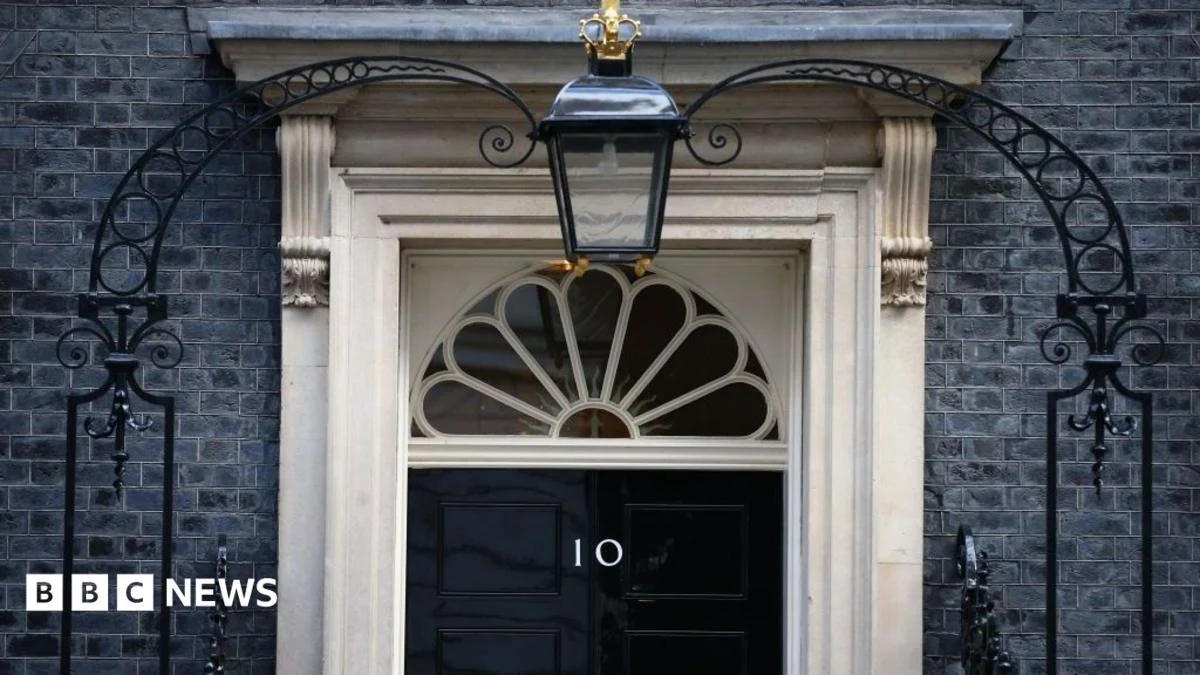
The discussions about relocating key staff were confirmed over the weekend by James Lyons, who held the influential position of Sir Keir’s director of communications from October 2024 to September 2025. Lyons explicitly stated on LinkedIn that "moving out was something that was discussed" during his time within Downing Street. His remarks were corroborated by two other senior figures from the former Starmer government, who independently confirmed that initial discussions had indeed taken place regarding the transfer of staff to a more contemporary, open-plan office space located within another government department.
One of these sources disclosed that a specific location had even been identified for this potential move: a dedicated space within the Foreign Office building, situated just a short distance from Downing Street itself. This proximity would have maintained a critical link to the traditional seat of power while addressing the structural inefficiencies of Number 10. However, both sources were quick to emphasize that these discussions remained in an early, exploratory phase and did not progress significantly beyond that initial stage. It remains unclear whether Sir Keir Starmer himself was directly consulted on these specific proposals or if they were confined to senior operational and advisory levels within his administration. Crucially, there was no suggestion whatsoever that the Prime Minister would have ceased to reside in the private apartments of 10 Downing Street, had the plan to move staff gone forward. The discussions focused purely on the building’s functionality as a governmental workplace, not its role as the Prime Minister’s official residence.

Number 10 Downing Street, a structure steeped in over 300 years of British history, is not a single purpose-built entity but rather an intricate amalgamation of three distinct houses. This architectural evolution has resulted in a sprawling, yet often impractical, complex comprising more than 100 rooms spread across various levels. The building was originally bestowed upon Robert Walpole, widely recognized as the United Kingdom’s first Prime Minister, by King George III in 1732. While its historical significance and iconic black door are undeniable, its antique charm appears to clash with the demands of modern governance.
Lord Walker, the prominent boss of supermarket chain Iceland and a former adviser to Sir Keir Starmer, echoed these sentiments in an interview with the Financial Times on Friday, declaring unequivocally that Number 10 was no longer "fit for purpose" as a government headquarters. He advocated for a radical reimagining of the building’s future, suggesting it be transformed into either private residences or a museum, recognizing its status as a "national treasure." Yet, he critically added, "It’s amazing. But it’s ridiculous. It’s just a Stuart-era building, not fit for purpose. It has tiny, tiny meeting rooms, all on different levels. There are hazards."
James Lyons, in his LinkedIn post, fully endorsed Lord Walker’s assessment, stating, "Lord Walker is 100% right." Lyons went further, painting a vivid picture of the working conditions, describing Number 10 as a "gloomy, mice-infested, bomb-curtained rabbit warren." He revealed that staff working within its confines were "deeply envious" of the more modern, efficient facilities enjoyed by other government departments, highlighting a clear disparity in workplace standards. The "bomb-curtained" reference points to the security measures implemented over decades, which, while necessary, further contribute to a sense of confinement and lack of natural light.

The core of the issue, as articulated by the sources, revolved around fostering a more collaborative environment. The fragmented layout, characterized by numerous small, compartmentalized offices and meeting rooms on different levels, inherently impedes the fluid communication and spontaneous interaction essential for modern, agile government operations. A source elaborated that "there were chats at senior staff level about moving to an open plan office in FCDO," explicitly stating that "the reason for discussion was serious" and that the alternative plan was "about staff being open plan and able to collaborate." The vision was to create a workspace that physically encouraged teamwork and broke down the artificial barriers created by the building’s antiquated design.
These internal discussions about Number 10’s functionality were not isolated but formed part of a broader pattern of frustration within Sir Keir Starmer’s government concerning the wider efficiency and responsiveness of Whitehall. During his premiership, Starmer became increasingly exasperated by what he perceived as the civil service’s inability to deliver change with sufficient speed and effectiveness. He was famously accused of picking a fight with civil servants when he publicly declared that "too many people in Whitehall are comfortable in the tepid bath of managed decline." This pointed critique underscored his administration’s desire for a more dynamic and results-oriented approach to governance, viewing the physical environment of Number 10 as a microcosm of larger systemic issues.
Adding further weight to this sentiment, Darren Jones, who served as Sir Keir’s chief secretary, revealed to MPs last week that he "tried to abolish the Cabinet Office three times but failed." His ambition was to dismantle existing bureaucratic structures and replace them with a new, integrated department. Jones envisioned an entity that would "abolish those barriers and walls and make them just one integrated team, focusing on the same things and really supporting each other to move it forward." This perspective suggests that the physical challenges of Number 10 were seen as symptomatic of a broader need for structural reform across the central machinery of government, aimed at enhancing cross-departmental collaboration and accelerating policy implementation.

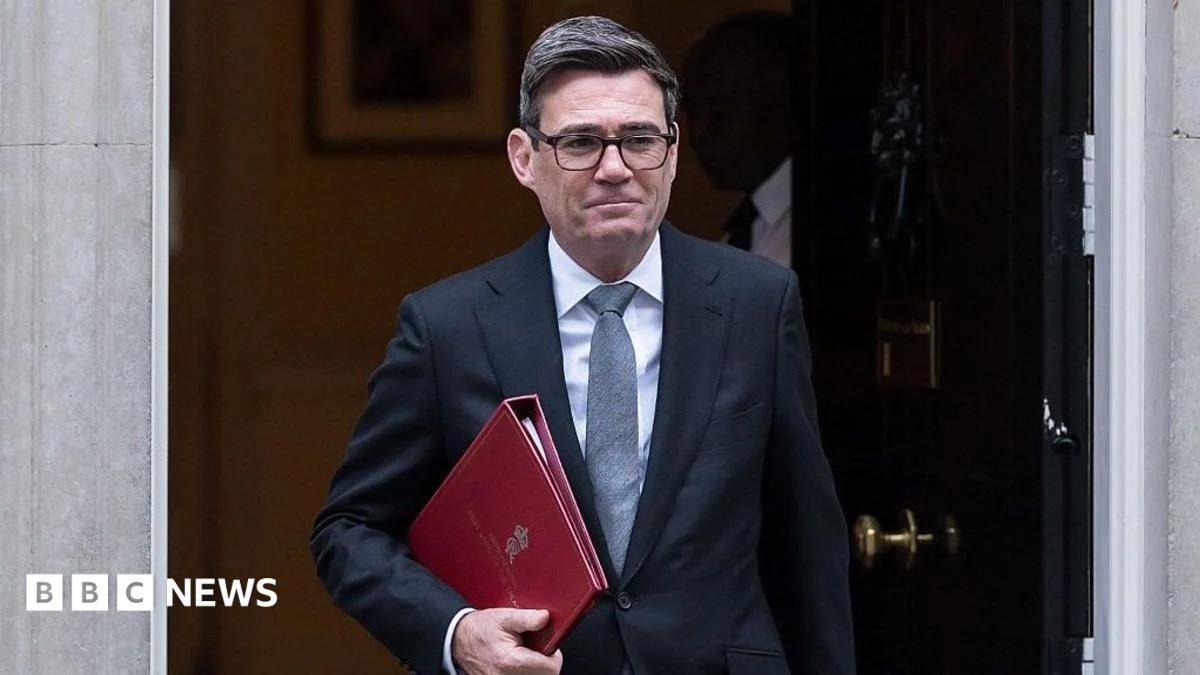
Upon succeeding Sir Keir Starmer, Andy Burnham, in a clear demonstration of his commitment to governmental efficiency, moved swiftly to create the "Office for the Prime Minister and Cabinet." This strategic restructuring was widely interpreted as a direct attempt to ensure that policies and directives were translated into action effectively, thereby ensuring "things happen when metaphorical levers of power are pulled." The new office consolidates Number 10, Number 10 North (an adjacent property used for government functions), and other key components of the Cabinet Office under a unified command. It is led by Dame Antonia Romeo, the UK’s most senior civil servant, signifying its central importance to Burnham’s agenda. The government has stated that this new office will "ensure the centre of government is focused on our top strategic priorities," reflecting a continued emphasis on streamlined operations and strategic oversight.
Despite these significant structural reforms, those close to Prime Minister Burnham indicate that he has yet to formulate a definitive view regarding the adequacy of 10 Downing Street as a workplace. While his focus has been on overarching organizational changes, the underlying issues of the building’s practical limitations for day-to-day government work may still warrant future consideration. The tension between preserving a revered national landmark and creating a functionally effective, modern administrative hub remains a persistent challenge for the leaders at the helm of the United Kingdom.



 Nakalama John

 atisusanti

 Roy Suryo
 Nana Banana
 George Anjay
