Nana Banana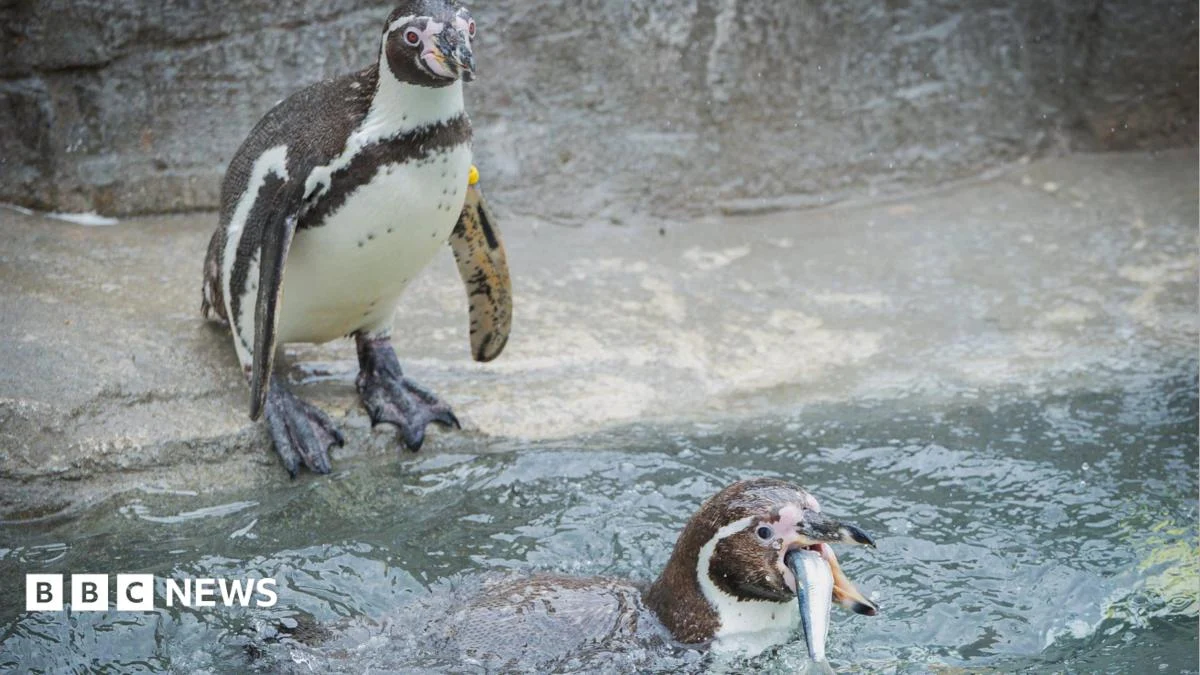
The catalyst for this delightful development was Mr. Arthur Lambourn, a local businessman with a keen ear for community needs and a deep understanding of the region’s rich maritime heritage. Hearing that the penguins, much to their presumed chagrin, were unable to regularly enjoy their favourite sardines due to perceived procurement difficulties, Lambourn sprang into action. "When I heard the penguins loved sardines but that the park thought they couldn’t get them, I thought: ‘Well, I might be able to help with that,’" he recalled, highlighting his immediate desire to bridge the gap between supply and demand for the park’s beloved aquatic birds. His proactive approach quickly transformed a logistical challenge into a local success story.
Lambourn expressed immense satisfaction in facilitating this new arrangement. "It’s great to see a local catch being used locally," he stated, underlining the broader benefits of supporting regional industries. He playfully added, regarding the discerning palates of the penguins, "They’ve got excellent taste." This sentiment echoes the pride many Cornish residents feel for their sustainable, high-quality seafood, now enjoyed by some of the park’s most charismatic residents.
The new arrangement has unequivocally proved popular with the penguins, whose enthusiastic reception of the fresh, local fare is a testament to its quality. Among the most celebrated beneficiaries is 38-year-old Spneb, a remarkable Humboldt penguin who holds the distinction of being believed to be the world’s oldest living Humboldt penguin. Her recent birthday celebration was marked with a special meal befitting her venerable status and refined preferences: a generous serving of her favourite Cornish sardines. Spneb, known for her calm demeanour and enduring spirit, clearly savoured every morsel, reinforcing the belief that the familiar taste of home-waters fish is truly a source of joy for these incredible birds.
Humboldt penguins, native to the coasts of Chile and Peru, primarily feed on small schooling fish like anchovies and sardines in their natural habitat. Providing them with a diet that closely mimics their wild counterparts is crucial for their health and well-being in captivity. The fresh Cornish sardines offer not only superior nutritional value but also a familiar flavour profile that undoubtedly contributes to the penguins’ contentment and vitality. The park houses a thriving colony of these endangered birds, playing a vital role in their conservation through breeding programmes and public education.
David Woolcock, curator at Paradise Park, voiced the staff’s profound satisfaction with being able to source such a vital component of the penguins’ diet locally. "It’s a great example of how a simple conversation can lead to a really positive change," he reflected, emphasizing the unexpected yet impactful outcome of Lambourn’s initiative. Woolcock highlighted the undeniable preference shown by the penguins: "The sardines are caught just a short distance away and the penguins absolutely love them." This local connection not only ensures maximum freshness but also significantly reduces the environmental footprint associated with transporting feed over long distances, aligning perfectly with Paradise Park’s broader commitment to sustainability and conservation.
The journey of the Cornish sardine from the rich waters off the Cornish coast to the penguin pool at Paradise Park is a testament to the efficiency and quality of the local fishing industry. Cornish sardines, specifically Sardina pilchardus, have been a staple of the region’s maritime economy for centuries. The fishery is renowned for its sustainable practices, often using traditional ring net methods that minimize bycatch and ensure the health of the sardine population. This commitment to responsible fishing aligns seamlessly with the ethos of Paradise Park, a wildlife sanctuary dedicated to the preservation of endangered species and their habitats.
Gus Caslake, Seafish industry engagement manager for South West England and the esteemed chair of the Cornish Sardine Management Association, lauded the move as a prime example of beneficial localism. "This is a brilliant example of a local catch staying local, reducing the need to transport fish long distances and showcasing the quality of the Cornish sardine," Caslake articulated. His statement underscores the multifaceted advantages of such arrangements: supporting local fishermen, minimizing carbon emissions, and ensuring the freshest possible product for consumers—or, in this case, for very appreciative penguins. The Cornish Sardine Management Association plays a crucial role in promoting the sustainability and quality of the Cornish sardine fishery, working to maintain its PGI (Protected Geographical Indication) status and ensure its long-term viability.
Beyond the immediate benefits to the penguins, this renewed partnership offers a unique educational opportunity for the park’s visitors. A new information board has been installed beside the penguin pool, developed in close collaboration with Cornish sardine fishermen. This innovative display aims to educate the public about the birds’ diet, the importance of sustainable fishing practices, and the journey of the Cornish sardine from the sea to the sanctuary. Visitors can now learn not only about the fascinating lives of Humboldt penguins but also about the vital role of local fisheries in supporting wildlife conservation and regional economies. The board delves into the specifics of sardine fishing, the nutritional value of the fish, and how local sourcing benefits both the environment and the community. It serves as a tangible link between marine ecosystems, human enterprise, and animal welfare, fostering a deeper understanding of interconnectedness.
The story of the Cornish sardines returning to the Paradise Park penguins’ menu is more than just a tale of fish; it’s a narrative of community collaboration, environmental responsibility, and the simple joy of seeing local resources benefit local inhabitants. It highlights how thoughtful engagement and a willingness to connect can yield significant positive outcomes, reinforcing the park’s mission to inspire conservation and appreciation for the natural world. This arrangement sets a precedent, demonstrating how wildlife parks can further integrate with their local communities and industries, creating a virtuous cycle where sustainable practices benefit all, from the oldest penguin to the youngest visitor. The success of this initiative is a testament to the power of a "simple conversation" to spark profound and lasting change, ensuring that the beloved Humboldt penguins of Paradise Park continue to thrive on the finest Cornish fare.




 George Anjay
 Nakalama John
 Ramos Leo