
 Nana Banana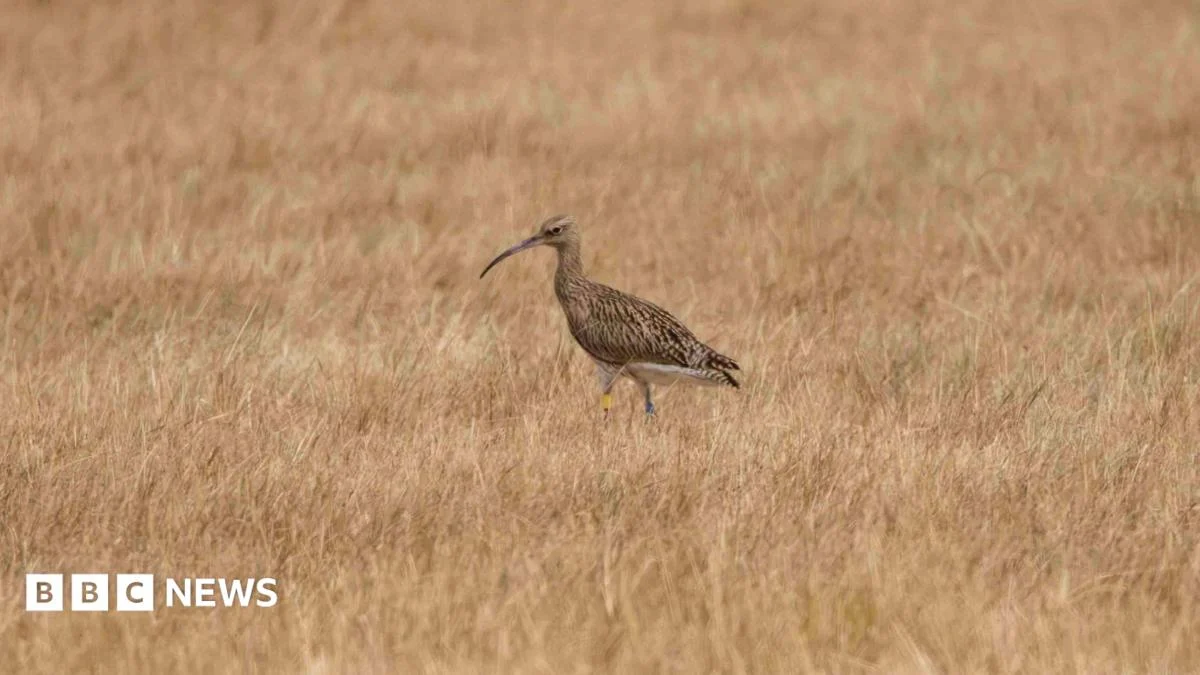
The rationale behind this inter-regional partnership is rooted in both ecological necessity and strategic conservation. Upland regions, such as the expansive Yorkshire Dales, have historically provided strongholds for curlews, offering vast, undisturbed moorland and wet grassland habitats crucial for their nesting and foraging. However, even these populations are not immune to decline, with pressures from agricultural intensification, predation, and climate change impacting breeding success. By working with experts from these areas, Elmley benefits from a wealth of knowledge regarding curlew behaviour, habitat requirements, and the intricate art of sensitive egg collection and rearing. This cross-landscape approach ensures genetic diversity and provides a vital safeguard against localized declines, effectively creating a new, robust population node in a region where the species had become critically scarce.
The core of Elmley’s pioneering project involves a process known as ‘head-starting’ – a conservation technique where eggs are collected from wild nests, incubated, and the young birds reared in a protected environment before being released into the wild. This method significantly increases the survival rate of chicks compared to those left in vulnerable wild nests. The selection of eggs for translocation is meticulously planned and executed. Conservationists identify nests in precarious locations within the upland source populations. These ‘vulnerable’ sites typically include areas at high risk of disturbance from human activity, such as proximity to popular footpaths where repeated intrusions can lead to nest abandonment or increased predation. More critically, many nests are located in agricultural fields destined for grass cutting. Modern farming practices, involving large machinery and early cutting schedules for silage or hay, often inadvertently destroy nests and young chicks before they have a chance to fledge. By carefully removing these eggs, conservationists are not only rescuing individual lives but also mitigating the impact of these human-induced threats on the overall breeding success of the source population.
Once collected, the precious cargo of curlew eggs embarks on a specialized journey to Elmley. The transportation process is paramount, requiring carefully controlled conditions to mimic the warmth and humidity of a natural nest. Specialist incubators and climate-controlled vehicles ensure the eggs remain viable and undamaged during transit, minimizing stress and maximizing their chances of successful hatching. Upon arrival at Elmley, the eggs are transferred to state-of-the-art incubation facilities, where they are meticulously monitored until hatching. The transition from egg to chick is a delicate phase, and the controlled environment at Elmley offers optimal conditions, free from the unpredictable challenges of the wild.
Following hatching, the tiny curlew chicks receive expert care. They are reared in purpose-built aviaries and release pens designed to provide safety from predators while allowing them to develop natural foraging skills and strengthen their wings. The dedicated team at Elmley ensures they have access to appropriate food sources, mimicking their natural diet of invertebrates, worms, and beetles found in wet grasslands. This crucial rearing period allows the young birds to grow robustly, improving their chances of survival once released. Before their final release onto the reserve, each bird is typically fitted with identifying leg rings, and some may receive lightweight satellite tags. These tags are invaluable tools for post-release monitoring, allowing conservationists to track their movements, understand their dispersal patterns, identify preferred habitats, and assess survival rates, providing critical data to inform future conservation strategies.
A fundamental aspect underpinning the long-term success of this project is the curlew’s strong instinct for natal philopatry. Curlews, like many bird species, exhibit a powerful tendency to return to their place of birth to nest and raise their own young. This innate behaviour is the cornerstone of Elmley’s strategy. By raising the chicks at the Sheppey reserve, conservationists hope to imbed Elmley as their ‘home,’ encouraging them to return year after year as adults to establish new breeding territories within its protected boundaries. This creates a self-sustaining local population, reducing the need for continuous translocation efforts in the future. The unique mosaic of saltmarsh, wet grasslands, and mudflats at Elmley provides an ideal mosaic of habitats for curlews, offering ample invertebrate food sources, safe nesting sites, and open landscapes for predator avoidance – all crucial elements for a thriving population.
This year marks the fourth consecutive year of this ambitious project, and the dedication is beginning to yield promising results. So far, more than 100 curlews have been successfully head-started and released onto the reserve. While this is a significant achievement in terms of raw numbers, the journey to a self-sustaining breeding population is a marathon, not a sprint. Project lead Owen Fulton, reflecting on the progress, highlights the patience required in curlew conservation. "They’re kind of teenagers at the moment," he told the BBC, referring to the released birds. Curlews are relatively long-lived birds, but they also take a considerable amount of time to reach sexual maturity and begin breeding. Typically, a curlew will not attempt to breed until it is at least two, and more commonly three or four years old. This extended juvenile period means that while many birds have been released, the true measure of success – the establishment of breeding pairs and the hatching of new chicks born on the reserve – is still anticipated. "We’re hoping next year they’ll just be old enough to start having their own chicks," Fulton added, encapsulating the eager anticipation within the conservation community.
The return of these ‘teenage’ curlews to Elmley is already a testament to the success of the head-starting method and the attractive qualities of the reserve. Their continued presence indicates that Elmley is providing suitable habitat and safety, fulfilling the crucial first step of natal philopatry. Monitoring efforts are intensified during the breeding season, with teams carefully observing the behaviour of the returned birds, looking for signs of pair-bonding, nest prospecting, and ultimately, nesting attempts. Every observation provides valuable data, contributing to a deeper understanding of how to best manage the reserve to maximize breeding success. The establishment of successful breeding pairs would represent a monumental milestone, not only for Elmley but for lowland curlew conservation across the UK. It would demonstrate a viable pathway for reversing the species’ dramatic decline in southern and eastern England, offering a blueprint for similar projects elsewhere.
The Eurasian Curlew holds a significant place in the UK’s natural heritage. It is the largest wading bird in Europe and is classified as a ‘red list’ species, signifying its highest level of conservation concern. The UK holds a globally important proportion of the world’s breeding curlews, making efforts like those at Elmley crucial for the species’ international survival. The dramatic decline, estimated at over 60% since the 1970s, is primarily attributed to habitat loss, changes in agricultural practices, and increased predation pressure. The Elmley project, therefore, is not just about bringing birds back to Kent; it is a vital contribution to national and international efforts to prevent the silent disappearance of this iconic species from our landscapes.
Beyond the immediate conservation outcomes, Elmley Nature Reserve plays a broader role in raising public awareness and fostering an appreciation for biodiversity. As a privately owned reserve, it leverages its unique position to engage visitors with its conservation work, providing educational opportunities and inspiring future generations of conservationists. The return of the curlews, and the hope for their successful breeding, adds another layer to the reserve’s appeal, allowing visitors to witness a living testament to dedicated conservation in action. The challenges ahead remain significant, from securing long-term funding to mitigating the ongoing threats posed by environmental changes, but the determination of the Elmley team and their partners offers a powerful counter-narrative to the widespread decline of wildlife. The continued revival of the curlew at Elmley is a testament to perseverance, collaboration, and the enduring hope that one of Britain’s most evocative bird calls will once again echo across its lowland landscapes for generations to come.


 atisusanti
 George Anjay
 Nakalama John

 Ramos Leo