
 Nana Banana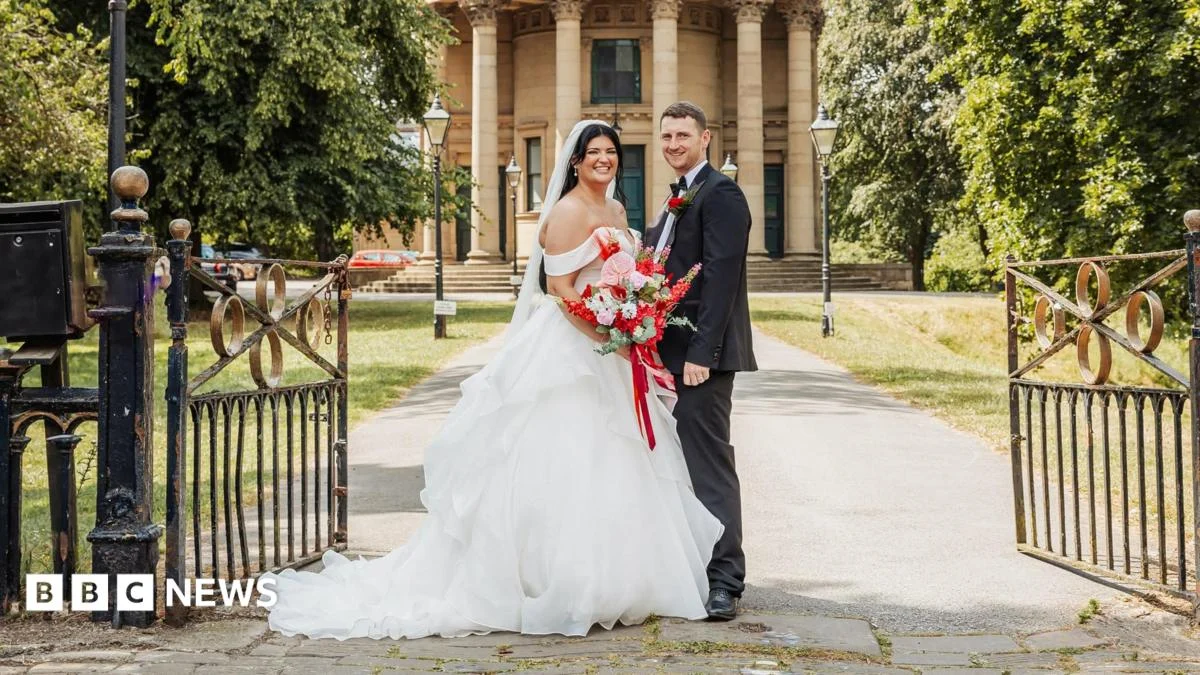
One of the most significant burdens wedding venues are contending with is the prohibitive cost of equipment and the energy required to maintain cool spaces and ensure food safety. Miles highlights the challenge: "[Some] venues are having to bring in air conditioning units; they are at a premium when everyone else is wanting those units to keep their houses cool and businesses." This demand surge has led to inflated rental prices and limited availability, forcing venues to invest heavily in a necessity that was once a luxury, if considered at all for typical British summers. Beyond the initial outlay for AC units, the ongoing energy consumption associated with running them continuously pushes operational costs sky-high, impacting profit margins and potentially leading to price increases for couples. Furthermore, the need for increased ice production, additional refrigeration, and even insulated food transport has added layers of expense and logistical complexity for caterers.
The impact extends beyond equipment to guest behaviour and, consequently, venue revenue streams. Guests are naturally gravitating towards more hydrating, non-alcoholic options, which presents another significant issue for venues. "There has been a massive hit on alcohol sales. Venues would quite often rely on these to boost their profits, and people are…not drinking alcoholic drinks as much as they would on a temperate day," Miles observes. This shift in consumption patterns directly erodes a crucial income source for many establishments, forcing them to re-evaluate pricing structures or explore alternative revenue streams to compensate for the unexpected shortfall. While offering an array of refreshing mocktails and premium soft drinks can enhance the guest experience, these typically carry lower profit margins than alcoholic beverages, further squeezing the financial viability of events.
The natural world, too, bears the brunt of the heat. It is not just the wedding party wilting in the heat but also the delicate blooms that form an integral part of wedding aesthetics. Peonies and roses, perennially popular choices for British weddings, have seen their natural flowering window dramatically narrow from a typical two months to a mere two weeks. Rebecca, from Lilac and Lace Floral Design, paints a stark picture of the challenges faced by growers and florists alike: "It has been an extremely tough growing season with water shortages, drought, no rainfall, slow germination in the heat, flowers going over too quickly." This unpredictable climate creates a ripple effect, forcing florists to work harder to secure the necessary stems. For a recent wedding, Rebecca recounted having to contact three times as many growers to acquire sufficient stock, a task that consumes invaluable time and resources. "For now, it’s more a time cost than a direct financial one. But using more growers often [has] larger delivery costs – I would estimate it costs £200 more in delivery." This additional logistical burden not only increases costs but also adds stress, potentially affecting the quality and freshness of the flowers due to extended transit times and exposure to heat. Florists are increasingly exploring heat-resilient alternatives like succulents, dried flowers, or hardy foliage, and investing in advanced cold storage solutions to preserve delicate blooms for longer.
The cumulative effect of these challenges is prompting a significant re-evaluation of the traditional wedding calendar. Sarah Haywood, a veteran wedding planner with over two decades of experience, confirms a palpable shift. "Over the last decade we have been advising people to avoid the heat of July and August [particularly] for destination weddings. And we’re busier on what we call the ‘shoulder season’ which starts earlier and finishes later in the year." Historically, the shoulder season encompassed June and September, offering a pleasant balance of good weather and potentially lower costs. However, Haywood notes that this period is now extending well into October, as couples actively seek to circumvent the extreme summer temperatures.
This anecdotal evidence is supported by data. The 2026 UK Wedding Report from Bridebook highlighted significant increases in October weddings in the year following a hotter-than-average summer. With couples typically booking their weddings 12 to 18 months in advance, many who had initially planned for peak summer dates are now confronting the reality of a changing climate and are actively exploring options to shift their dates or implement extensive contingency plans. This trend suggests a permanent recalibration of wedding planning, moving away from the assumption of temperate British summers. The demand for shoulder season dates is also intensifying, potentially driving up costs and reducing availability in these previously quieter months.
For couples like Marie Cavanagh, due to get married in Kent at the start of July, these heatwaves have become an undeniable factor in their planning. "The recent heatwaves have made me think a little bit differently…we will definitely be factoring [the heat] into what we are selecting to wear," she states. This consideration extends beyond personal attire to guest comfort, choice of venue (indoor vs. outdoor spaces), and even the timing of ceremonies and receptions to avoid the harshest midday sun. Couples are now considering practical elements such as providing parasols, handheld fans, hydration stations with chilled water and fruit-infused drinks, and ensuring ample shaded areas for guests. Lighter menu options, such as salads and seafood, are also gaining favour over heavier, richer dishes. The impact on photography is also a concern, as harsh midday light can be challenging, and melting makeup can detract from perfect portraits.
Bridal fashion, too, is adapting rapidly to the warmer climate. Sophie Miller, a stylist at Dotty Bridal in West Yorkshire, notes that advice previously reserved for brides marrying in hot, overseas locations is now increasingly relevant for UK weddings. "We would recommend against a sleeve, lighter fabrics…and with ballgown [dresses] we would suggest putting a hoop in the dress to hold it off your skin." Lighter fabrics such as silk crepe, chiffon, organza, and even linen blends are becoming more popular choices, offering breathability and ease of movement. The strategic use of a hoop in a ballgown, for instance, creates an air pocket between the layers of fabric and the body, providing significant relief. Beyond traditional styling, designers are innovating with new materials and technologies. Miller reveals that some designers are now incorporating zinc oxide into fabrics, making the material feel noticeably cooler to the touch. This signals a future where bridal wear isn’t just aesthetically pleasing but also technologically advanced to enhance comfort in rising temperatures. Similar considerations are being applied to bridesmaids’ dresses and groomswear, with linen suits, lighter colours, and breathable fabrics gaining prominence. Advice on heat-resistant hair and makeup techniques, including waterproof products and setting sprays, has also become standard for stylists.
The broader implications of heatwaves on weddings also touch upon sustainability and infrastructure. The increased energy consumption for cooling, coupled with the water demands for gardens and floral arrangements, presents a sustainability conundrum for an industry increasingly striving for eco-consciousness. Venues may need to invest in more robust and energy-efficient cooling systems, or even consider passive cooling architectural designs for future builds. Furthermore, the health and safety of guests and staff are paramount. The risk of heatstroke and dehydration necessitates readily available first aid, clear signage for water access, and shaded resting areas.
Ultimately, navigating the complexities of heatwaves for summer weddings requires foresight, flexibility, and a proactive approach from both couples and industry professionals. The shift in planning strategies, the adaptation of services, and the innovation in products are not merely temporary adjustments but rather a testament to the wedding industry’s resilience and its ongoing evolution in the face of a changing climate. What was once an unexpected challenge is now an integral part of planning the perfect day, ensuring comfort, safety, and joy amidst the rising mercury.



 atisusanti
 George Anjay
 Nakalama John

 Ramos Leo