
 Nana Banana
Fish species that undertake mammoth migrations through rivers, lakes, and ponds are facing an unprecedented and combined threat from dams, pollution, overfishing, and habitat degradation, severely impeding their ability to reach vital breeding grounds and sustain their numbers. This dire situation has prompted a global call to action, with the United Nations prioritizing these often-overlooked aquatic travellers for urgent conservation.
A landmark new report, spearheaded by the UN and a team of international scientists, has cast a stark light on the crisis. Their comprehensive assessment, examining over 15,000 species of freshwater migratory fish – a group that constitutes half of all fish species globally – reveals a catastrophic decline. Alarmingly, their numbers have plummeted by an estimated 81% over the last half-century. The report’s authors underscore that for too long, this vital group has been ignored, despite being "an essential part of people’s livelihoods" and critical to the health of freshwater ecosystems worldwide.
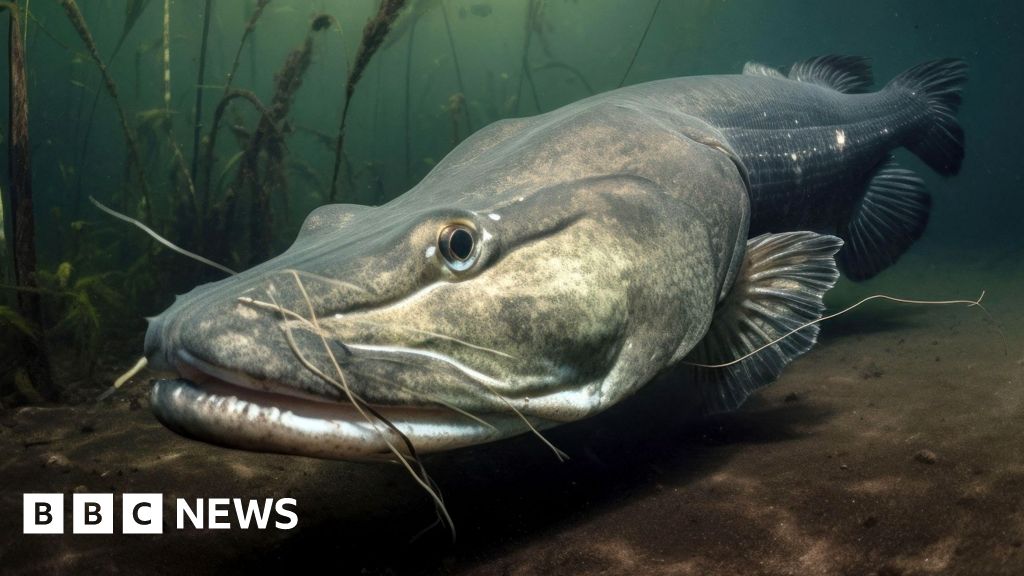
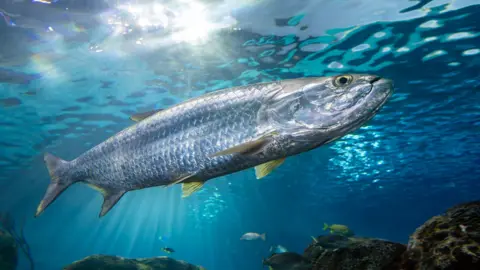
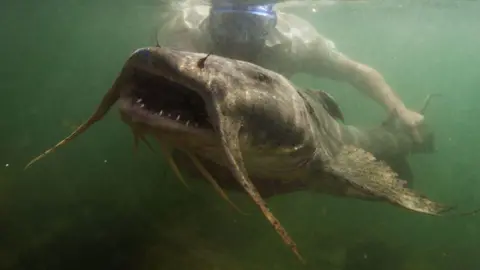
Among the thirty flagship fish species now earmarked for global conservation are the majestic golden mahseer, known as the "tiger of the river" in the Himalayas, and the formidable goonch catfish, a giant of South Asian waters. These species, along with others like the Atlantic tarpon, which migrates hundreds of miles along the US coast but faces threats from damaged mangrove habitats, exemplify the widespread vulnerability. The piraíba, or giant catfish, an imposing resident of South American rivers, is another species recommended for urgent protection, highlighting the global scale of the problem.
Dr. Zeb Hogan, a co-author of the report and a professor of biology at the University of Nevada, Reno, emphasized the profound human reliance on these species. "Freshwater fish support hundreds of millions of people around the world, so for humans, they’re very important," he stated. Beyond providing food for an estimated 200 million people globally, these migratory freshwater fish exhibit immense biodiversity that is equally deserving of protection. Dr. Hogan painted a vivid picture of their diversity: "You have fish that can get over 650 lb (295kg) that can migrate over 7,000 miles. Every shape and size of animal you can imagine, these beautiful golden dorado that make long-distance migrations in South America, tropical eels that are moving thousands of miles in Oceania." Their varied forms and epic journeys underscore their ecological significance and the rich tapestry of life they represent.
The current assessment represents a significant leap from previous efforts. The UN first investigated the status of this group in 2011, but only around 3,000 species were assessed at that time. Since then, the International Union for the Conservation of Nature (IUCN) has diligently collected extensive data, allowing for a far more comprehensive analysis. This expanded data set enabled the UN to scrutinize the condition of more than 15,000 species, providing an unprecedented understanding of their global status.
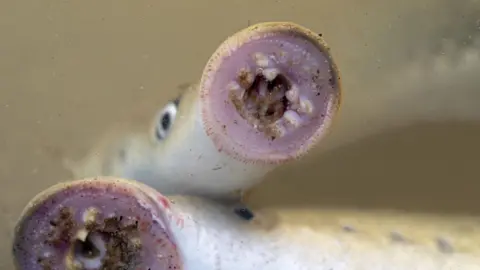
As a result of this expanded research, 325 fish species have been identified as needing to be added to a global agreement for monitoring and supporting threatened migratory animals, with the ultimate goal of population recovery. From this broader list, 30 species have been designated as top priorities. These include several species found in the UK, such as the Allis Shad, River Lamprey, Brook Lamprey, and the iconic Atlantic Salmon, demonstrating that the crisis is not confined to distant tropical waters but impacts temperate regions as well.
Overfishing and Habitat Loss: A Dual Threat
The shorter list of priority species comprises fish that are not only severely threatened but also hold significant cultural value for global communities. Michelle Thiem, deputy lead for freshwater at World Wildlife Fund US and a contributor to the report, highlighted the golden mahseer as an example. "For example, the golden mahseer is [an] iconic fish of the Himalayas. It’s called the tiger of the river, and many of the people in that region value that fish for cultural and spiritual practices that go far beyond the economic values," she explained. Like many other species on the list, the golden mahseer faces a relentless two-pronged assault from overfishing and pervasive habitat loss.
Habitat loss manifests in various forms, with dams being a primary culprit. Thiem elaborated: "Habitat loss includes things like dams that fragment a river system, and can change the natural flow regime of a river, which results in fish not being able to connect to their spawning habitats." These man-made barriers obstruct the natural migratory routes that fish have followed for millennia, preventing them from reaching the specific upstream or downstream areas essential for reproduction and survival. The alteration of natural flow regimes also impacts water quality, temperature, and sediment transport, further degrading critical habitats.
The disruption to migration is a particularly acute issue in Europe, where fish encounter a barrier to their routes approximately every kilometre (0.6 miles) on average. Many of these barriers are small culverts or redundant weirs, structures that are often no longer serving their original purpose and could potentially be removed. However, the cumulative effect of these seemingly minor obstacles on migrating fish is enormous, as Dr. Janina Gray, head of science at the environment charity WildFish, pointed out. "It can have a massive impact in terms of the energy reserves fish are using to get over the [barriers]," she said. This increased energy expenditure leaves fish more vulnerable to disease, predation, and forces them to spawn in suboptimal grounds, significantly reducing their reproductive success and overall fitness.
Beyond physical barriers, pollution constitutes another major threat. Industrial effluents, agricultural runoff laden with pesticides and fertilizers, and untreated urban wastewater all contaminate freshwater systems. These pollutants can directly poison fish, impair their reproductive systems, disrupt their immune responses, and degrade the water quality to a point where survival becomes impossible. The River Lamprey, for instance, a "jawless fish" native to the UK, has seen significant population declines since the Industrial Revolution, largely due to severe pollution that rendered many rivers uninhabitable.
Overfishing, driven by growing human populations and unsustainable fishing practices, further exacerbates the crisis. For many communities, these fish are a primary source of protein and income, leading to intense fishing pressure. A lack of effective regulation, enforcement, and sustainable management practices means that fish stocks are often exploited beyond their capacity to replenish, leading to rapid declines. The goonch catfish, for example, has been heavily overfished in rivers like the Indravati, where development projects have also restricted its migratory pathways.
Back from the Brink: Coordinated Action for Recovery
Given that most migratory fish species traverse country borders on their mammoth journeys, coordinated efforts between governments are absolutely essential to tackle these multifaceted threats and ensure the recovery of national stocks, emphasized Prof. Hogan. The interconnectedness of river systems means that actions taken in one country can have profound impacts, positive or negative, on fish populations in another.
The Convention on the Conservation of Migratory Species (CMS), a global UN treaty signed in 1979, provides the framework for such international cooperation. It commits signatory countries to work together to protect migrating species of all kinds, from birds to marine mammals. The UN is now proposing that the 30 priority fish species, along with the broader list of 325, be formally added to the CMS treaty at its annual meeting in three years’ time. This inclusion would trigger increased monitoring, research, habitat protection, and cross-border management efforts for these species.
There is precedent for such international conservation efforts yielding remarkable results. The Saiga antelope, a distinctive steppe-dwelling mammal with an unusual bulbous nose, serves as a powerful example of a species that has benefited enormously from being listed under the CMS convention. In 2015, the antelope suffered a catastrophic mass die-off, with fears that these survivors of the Ice Age were on the brink of extinction. However, the establishment of an international anti-poaching team, coupled with coordinated habitat protection and community engagement, led to a dramatic turnaround. Since then, Saiga population levels have rebounded spectacularly to more than a million individuals, demonstrating that concerted action can indeed pull species back from the precipice.
"The focus has clearly been on some of the more well-known, more visible species, such as the big cats, on antelope, on whales, on dolphins," said Amy Fraenkel, the UN Executive Secretary for the Convention on Migratory Species (CMS). She articulated a clear shift in conservation priorities, stating that it was now unequivocally the turn of migratory freshwater fish to benefit from this same level of coordinated international action and attention.
The decline of migratory fish populations is a bellwether for the health of our planet’s freshwater ecosystems. Their struggle reflects the broader environmental challenges posed by human development and consumption. By recognizing their critical role, understanding the threats they face, and implementing robust, coordinated conservation strategies, there is a genuine opportunity to reverse these devastating trends. Protecting these remarkable aquatic migrants is not just about saving fish; it is about safeguarding biodiversity, securing food and livelihoods for millions, and ensuring the vitality of the world’s most precious freshwater resources for generations to come. The fight for their protection is a fight for the future of our planet.




 George Anjay
 Nakalama John
 atisusanti
 Ramos Leo
 Roy Suryo