
 Nana Banana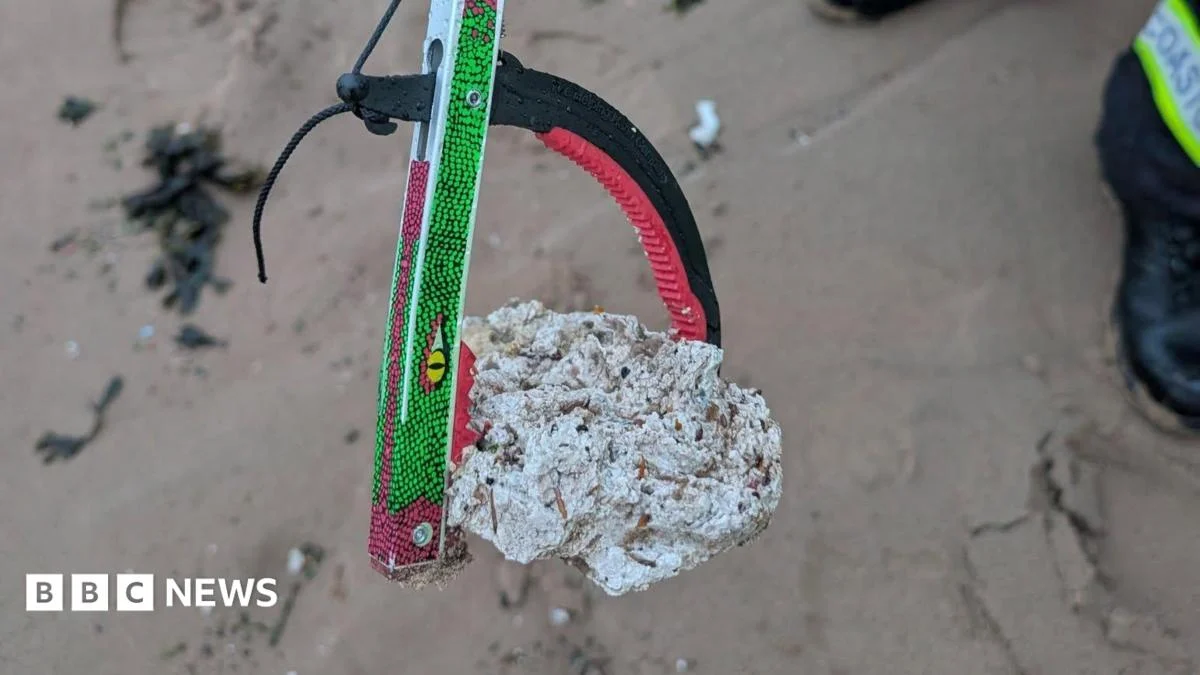
The initial reports led rescue officers to the specified stretch of coastline where they located numerous pieces of the potentially hazardous material. Described as waxy and varying in size, these lumps were scattered along the high tide line, posing an immediate threat to curious pets. The Coastguard team meticulously worked to identify and bag some of the larger, more accessible pieces, ensuring their removal from the beach for proper collection and disposal by Wirral Council. This swift action underscores the serious nature of such incidents and the coordinated efforts required to protect public safety and the local environment.
Palm oil, while a ubiquitous ingredient in countless everyday products ranging from processed foods to cosmetics and biofuels, undergoes a significant and dangerous transformation when it is dumped or spilled into the marine environment. When afloat at sea, these oils can congeal, forming solid, waxy lumps that drift with ocean currents and tides. Crucially, during this period, the substance can become rancid, accumulate harmful bacteria, and absorb other pollutants present in the seawater. This process renders the otherwise innocuous product highly toxic if ingested, posing a severe health risk to wildlife and domestic animals.
The primary concern for authorities is the extreme danger palm oil poses to dogs. Its distinctive, often strong, and sometimes putrid smell can be highly attractive to canines, who may perceive it as an unusual treat or something to investigate. Once ingested, even a small amount can lead to a range of severe and potentially fatal reactions. Symptoms can include severe vomiting, persistent diarrhea, abdominal pain, and extreme lethargy, all of which can rapidly lead to critical dehydration. More alarmingly, the waxy consistency of the oil can cause blockages in the digestive tract, necessitating emergency veterinary intervention. In some cases, the toxins can induce pancreatitis, kidney failure, or liver damage, leading to organ failure. The most extreme outcomes, as tragically demonstrated in past incidents, can be a swift and fatal reaction, often due to a combination of toxic shock, organ damage, or choking on the dense, sticky substance.
Following their initial response and removal efforts, the Wirral Coastguard Rescue Team issued a comprehensive public safety announcement. They urged all dog owners to exercise extreme caution and vigilance when walking their pets on Egremont beach and surrounding areas over the coming days. The warning highlighted that "further pieces may still be present or could wash ashore with subsequent tides," emphasizing the dynamic nature of coastal environments where ocean currents and wave action can continuously bring new deposits to land. The advice was clear: "Keep dogs and children away from any unusual waxy or oily substances and avoid handling them with bare hands." This precaution is vital, as direct skin contact could potentially lead to irritation or the transfer of harmful bacteria and toxins.
The incident on Egremont beach serves as a stark reminder of similar, often tragic, occurrences along UK coastlines. A particularly distressing event unfolded in January 2020 when the National Trust issued a solemn warning after a dog tragically died from ingesting palm oil on Formby beach in Sefton, a short distance from Wirral. That incident sent shockwaves through the dog-owning community and amplified calls for greater awareness and preventative measures. Reports of palm oil washing ashore are not isolated to the North West; beaches across the UK, from Cornwall to Northumberland, have experienced similar deposits, highlighting a widespread and recurring problem often linked to maritime activities. These incidents are frequently attributed to the discharge of palm oil from ships, either accidentally during tank cleaning operations or, in more egregious cases, through illegal dumping. While international regulations, such as the MARPOL convention, strictly govern the discharge of oily wastes at sea, enforcement remains a challenge, and the ocean’s vastness makes tracing the source of such pollution incredibly difficult.
Beyond the immediate threat to pets, the presence of palm oil on beaches raises broader environmental concerns. While the focus is often on domestic animals, marine wildlife, including seabirds, fish, and seals, are also susceptible to the toxic effects of ingested palm oil. It can disrupt their digestive systems, lead to starvation if they cannot properly process food, and cause external contamination, hindering their ability to swim, fly, or regulate body temperature. The persistent nature of these waxy lumps means they can remain in the environment for extended periods, posing a continuous threat until removed. Cleanup operations are often challenging, requiring significant resources and careful handling to ensure the safe disposal of the contaminated material.
The ongoing vigilance of the public is paramount in managing this recurring threat. Beachgoers are encouraged to be observant and report any suspicious waxy or oily substances to the Coastguard or local council immediately. It is crucial for individuals not to attempt to remove large quantities of the substance themselves, given the potential health risks associated with direct handling. Instead, providing accurate location details and a description of the findings allows trained professionals to respond safely and effectively. Social media platforms and local community groups also play an increasingly important role in disseminating warnings quickly, ensuring that dog owners and other beach users are informed of potential hazards in real-time.
In conclusion, the discovery of suspected palm oil on Egremont beach underscores a persistent and serious danger to pets and the coastal environment. The proactive response by the Wirral Coastguard Rescue Team and Wirral Council highlights the gravity of the situation. Dog owners must remain exceptionally vigilant, keeping their pets on leads in potentially affected areas and away from any unfamiliar substances. The tragic lessons from past incidents serve as a powerful reminder of the potential for a swift and fatal outcome if palm oil is ingested. Continued public awareness, prompt reporting, and coordinated efforts between authorities and the community are essential to mitigate this hazardous threat and ensure the safety of our beloved companions and the integrity of our precious coastlines.



 atisusanti
 George Anjay
 Nakalama John

 Ramos Leo