
 Nana Banana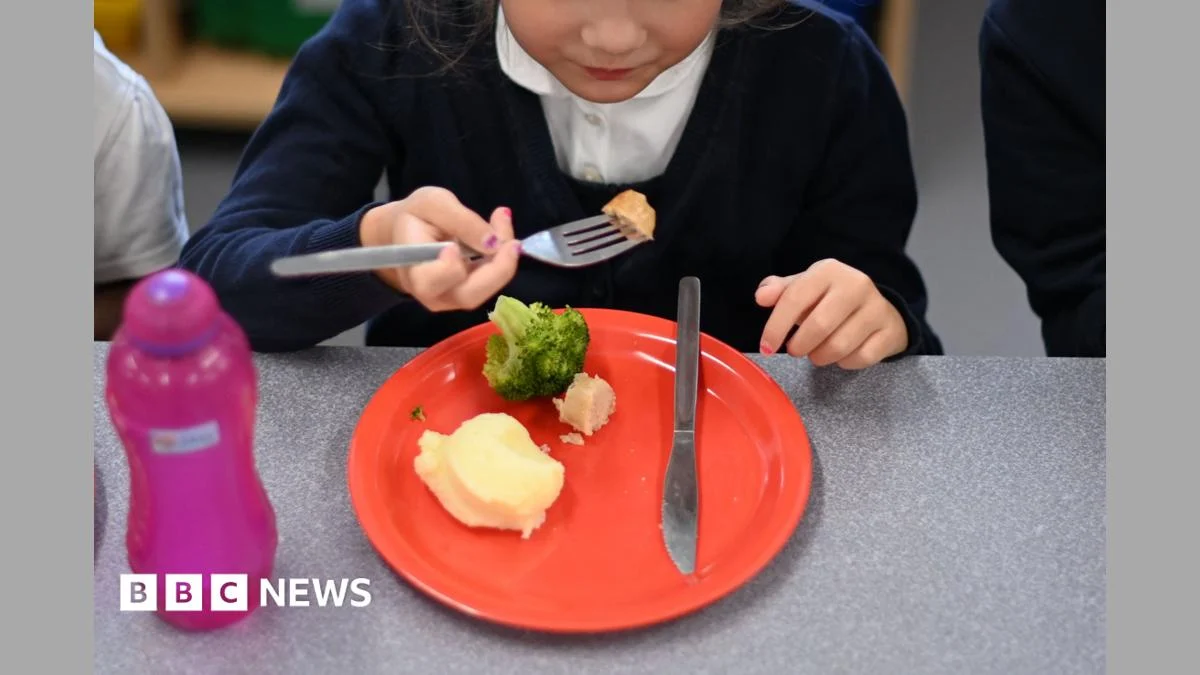
The existing school holiday framework typically designates a lengthy break during the summer months, often from June to August in the Northern Hemisphere and December to February in the Southern Hemisphere. This tradition originated from a combination of factors: the need for children to assist with agricultural harvests, the impracticality of learning in stifling pre-air-conditioned classrooms, and the desire for family vacations during periods of generally pleasant weather. However, these historical justifications are increasingly undermined by contemporary climatic conditions. What were once predictable warm periods are now often characterized by record-breaking heatwaves, marked by dangerously high temperatures, elevated humidity, and poor air quality, rendering the traditional "summer break" a period of potential hazard rather than idyllic leisure.

The impact of extreme heat on the school environment is multifaceted and severe. Foremost among concerns are the direct health risks to students and educators. Children, especially younger ones, are more susceptible to heat-related illnesses such as dehydration, heat exhaustion, and heatstroke due to their less developed thermoregulatory systems and higher metabolic rates relative to body mass. Overheated classrooms, particularly in older school buildings often lacking adequate ventilation or air conditioning, become dangerous incubators where concentration plummets, fatigue sets in, and the risk of medical emergencies rises. Learning becomes significantly impaired; cognitive function is demonstrably reduced in hot conditions, making it difficult for students to absorb information, focus on tasks, or perform optimally in examinations. Beyond the classroom, outdoor activities, sports, and recess are often cancelled, depriving children of essential physical activity and social interaction.

The argument for re-evaluating and potentially changing school holidays is primarily anchored in the imperative to protect student health and optimize learning conditions. Shifting the primary long break away from the peak heat months could dramatically reduce exposure to dangerous temperatures, safeguarding children from heat-related illnesses. It could also ensure that the periods of active instruction occur in more temperate conditions, fostering a conducive environment for genuine learning and academic achievement. Furthermore, an equitable approach demands consideration for schools in lower-income areas, which are often least equipped to cope with heat, lacking modern cooling systems or even basic insulation. For these communities, a change in the academic calendar could be a vital step in leveling the playing field, ensuring that all students have access to a safe and effective learning environment, regardless of their school’s infrastructure budget. Such proactive adjustments acknowledge the undeniable realities of climate change, demonstrating a commitment to adaptation rather than simply reacting to successive crises with ad-hoc closures.

Several models for restructuring school holidays could be explored. One approach involves shifting the traditional summer break to cooler periods, perhaps extending autumn or winter breaks, or even introducing a longer break in spring. Another model suggests shorter, more frequent breaks distributed throughout the year, effectively breaking up the long summer into several shorter periods, none of which coincide with the absolute peak of heat. Regional variations could also be implemented, allowing local education authorities to tailor holiday schedules to specific climatic patterns, acknowledging that "extreme heat" manifests differently across diverse geographies. The concept of "heat-wave holidays," akin to snow days, where schools close during officially declared heat emergencies, offers flexibility but can be disruptive. A more radical shift, year-round schooling with strategically placed extended breaks, could also allow for greater adaptability, placing longer non-instructional periods during historically hottest months.
However, implementing such changes is not without significant challenges and considerations. The logistical complexities are immense, impacting parents’ work schedules, childcare arrangements, and family vacation planning, which are often structured around the existing academic calendar. Economic sectors heavily reliant on summer tourism and seasonal employment could face substantial disruption. Curriculum continuity would need careful planning to ensure educational standards are maintained despite calendar shifts. Teacher contracts, professional development schedules, and extracurricular activities, including sports leagues and summer camps, would all require extensive renegotiation and restructuring. There are also deep-seated social and cultural norms associated with the "summer break" that are difficult to alter, representing a cherished tradition for many families. Unintended consequences, such as simply shifting the burden of childcare during altered holiday periods without adequate support, must also be thoroughly assessed.

Beyond simply changing holiday schedules, a multi-pronged approach to coping with extreme heat in schools is essential. Investing in robust school infrastructure improvements is paramount, including installing efficient air conditioning systems, improving ventilation, enhancing insulation, and developing green spaces that provide shade and help cool school grounds. Integrating "cool roofs" and reflective surfaces can also significantly reduce internal temperatures. Curriculum adjustments could involve moving outdoor activities indoors during hot periods, incorporating lessons on heat safety and hydration, and promoting water conservation. Flexible learning models, such as temporary remote learning options during severe heatwaves, could provide an immediate safety net without completely disrupting the academic year. Furthermore, comprehensive heat action plans, outlining clear protocols for schools during extreme heat events – including hydration strategies, designated cooling areas, and monitoring vulnerable students – are critical. Public health campaigns aimed at educating students, staff, and parents on the risks of heat exposure and preventive measures would also foster a more resilient community.

In conclusion, the question of whether school holidays should change to cope with extreme heat is no longer a hypothetical one but an urgent policy imperative driven by accelerating climate change. While the traditional academic calendar holds historical and cultural significance, its suitability in an era of unprecedented heatwaves is increasingly questionable. The primary motivation for change remains the paramount need to protect the health and safety of students and staff, and to ensure an optimal learning environment. While altering holiday schedules presents substantial logistical, economic, and social challenges, these must be weighed against the escalating risks of inaction. A holistic strategy, combining thoughtful calendar adjustments with significant investments in resilient school infrastructure, flexible learning models, and robust heat action plans, offers the most comprehensive path forward. Proactive adaptation, rather than reactive crisis management, is essential to safeguard the well-being and educational continuity of future generations in a warming world.


 atisusanti
 George Anjay
 Nakalama John

 Ramos Leo