George Anjay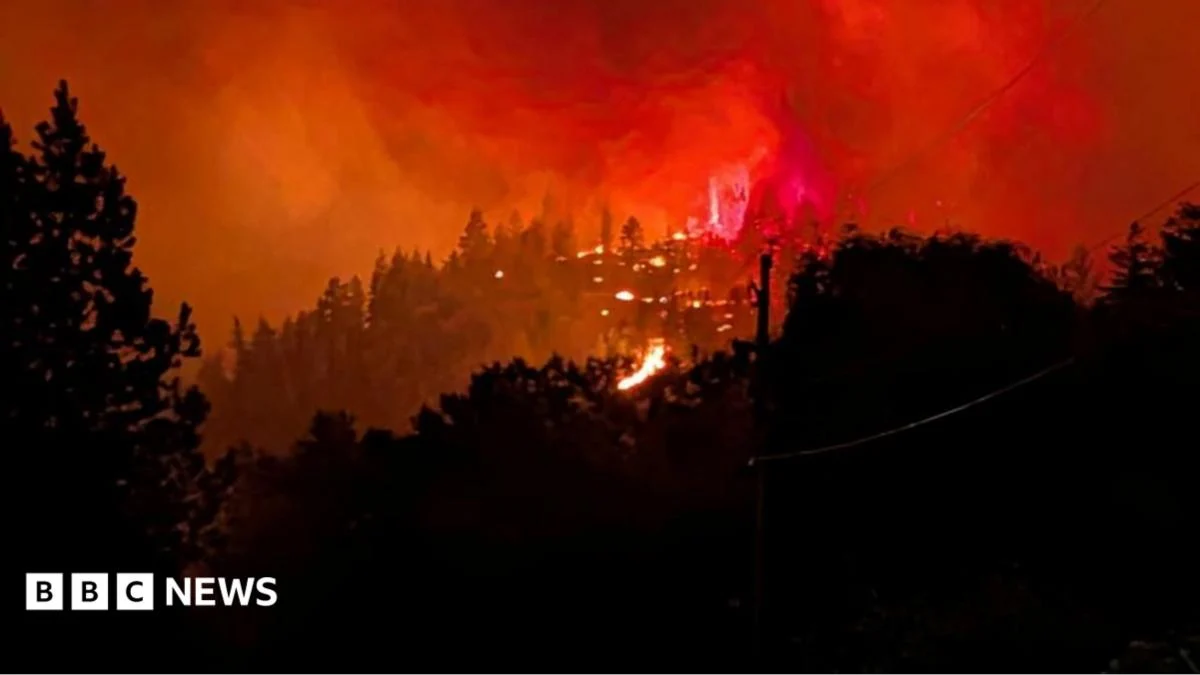
The inferno, a ravenous entity consuming everything in its path, has seen its destructive footprint double with terrifying speed, compelling a mass exodus of over 20,000 residents from their homes. The idyllic landscapes of Summerland and its neighboring community of Peachland, nestled in the heart of British Columbia’s Okanagan Valley, have been transformed into scenes of urgent evacuation and palpable fear. As the encroaching flames cast an ominous orange glow against the darkening sky, Summerland’s entire population of approximately 12,000 individuals received a mandatory evacuation order. This directive was swiftly followed by a similar command for roughly 8,000 residents in Peachland, creating a domino effect of displacement that has sent shockwaves through the region. The sudden and widespread loss of power across Summerland, confirmed by city officials in the early hours of Saturday, further underscored the escalating severity of the crisis, plunging communities into a disorienting darkness punctuated only by the distant roar of the advancing wildfire.
The gravity of the situation was starkly illustrated by the personal account of a key official, Thompson, who had been a steadfast source of information from the emergency operations centre on Friday evening. His updates had painted a grim picture of a fire exhibiting alarming accelerant behavior. However, the next morning, his role shifted from observer to participant in the unfolding drama. In a poignant video posted from his vehicle, Thompson revealed he had been compelled to abandon the emergency operations hub – the very nerve center coordinating the response – to prioritize the evacuation of his own family. "I had to leave the EOC to come and get my family to leave this area. We’re heading south," he stated, his voice tinged with the urgency and personal stakes inherent in such a catastrophic event. This decision, made by a leader at the forefront of the crisis, underscored the unpredictable and overwhelming nature of the wildfire, demonstrating that even those tasked with managing the disaster were not immune to its immediate and personal threat.
The true extent of the destruction wrought by this relentless blaze remains a chilling unknown, with initial reports indicating that the number of destroyed structures is yet to be definitively tallied. The wildfire’s voracious appetite for timber and human habitation has left a trail of uncertainty, with residents desperately hoping that the damage is not as extensive as feared. The Okanagan region, renowned for its agricultural bounty and its picturesque vineyards, is also a sanctuary for a significant population of horses. The evacuation of these valuable and beloved animals has presented a unique and heart-wrenching challenge for residents. Many have found themselves in an agonizing dilemma, struggling to transport their equine companions to safety amidst the chaos and urgency of their own flight. The logistical hurdles and the emotional toll of leaving behind not just homes, but also cherished animals, have added another layer of profound distress to an already overwhelming situation.
In a testament to the deep bonds between humans and their animals, and the heartbreaking choices forced upon them by the wildfire, some residents who were unable to secure their horses for evacuation resorted to a desperate measure: leaving their gates open. The hope, however faint, was that their animals might possess the instinct and the ability to find their own routes to safety, seeking refuge away from the immediate danger. This act of leaving behind beloved creatures, a decision born of sheer necessity and profound anguish, speaks volumes about the devastating impact of the wildfire on every facet of life in the affected communities. Local residents shared these harrowing accounts with the Canadian broadcaster CBC, their voices heavy with the weight of their experiences. Further compounding the emotional distress, some owners, in a bid to increase the chances of identifying and recovering their animals should they survive, resorted to painting distinctive markings on their horses. This poignant detail, reported by the CBC, serves as a stark visual representation of the desperation and the lengths to which people will go to protect their companions in the face of unimaginable adversity. The collective trauma of this wildfire event is etched not only in the ashes of destroyed homes but also in the anxious eyes of those searching for their missing four-legged family members.
The wildfire, designated as the "Gallo Fire" by local authorities, has been fueled by a confluence of challenging environmental factors. Unseasonably high temperatures, coupled with prolonged periods of drought across the interior of British Columbia, have created a tinderbox environment, rendering the dense coniferous forests surrounding Summerland and Peachland exceptionally vulnerable. Strong, erratic winds have further exacerbated the situation, fanning the flames and propelling the fire at an alarming rate, making containment efforts an uphill battle for the brave firefighters on the front lines. These men and women, working tirelessly under perilous conditions, are facing a formidable adversary that shows no signs of abating. The sheer scale and intensity of the blaze have necessitated a multi-jurisdictional response, with resources being marshaled from across the province and beyond to combat this escalating crisis. Air tankers have been deployed to douse the flames from above, while ground crews work assiduously to establish firebreaks and protect critical infrastructure.
The economic implications of this disaster are also beginning to surface. The Okanagan Valley is a vital hub for tourism and agriculture, with the wildfire threatening to decimate orchards, vineyards, and the burgeoning tourism industry that sustains many local economies. The immediate aftermath will undoubtedly see significant financial losses, with the long-term recovery projected to be a protracted and arduous process. Beyond the tangible losses of property and economic assets, the psychological toll on the displaced communities cannot be overstated. The trauma of fleeing one’s home, the uncertainty of its fate, and the disruption to daily life will leave deep scars. Support services, including mental health counseling and temporary accommodation, are being rapidly mobilized to assist those affected, but the road to recovery will be a long and challenging one.
The narrative of the Gallo Fire is a stark reminder of the increasing frequency and intensity of wildfires in a changing climate. It highlights the urgent need for proactive measures in wildfire prevention, preparedness, and response. As the flames continue their destructive march, the resilience and determination of the affected communities are being tested to their limits. The solidarity shown by neighbors helping neighbors, the dedication of emergency responders, and the collective hope for a swift and safe resolution paint a picture of human strength in the face of overwhelming natural forces. The coming days will be critical in determining the ultimate trajectory of this devastating wildfire and the long-term impact it will have on the vibrant communities of Summerland and Peachland. The images of fleeing residents, open gates, and painted horses will remain etched in the collective memory, a poignant symbol of a community grappling with the raw power of nature and the enduring spirit of its people.

 Nakalama John
 Ramos Leo
 Nana Banana