
 Nana Banana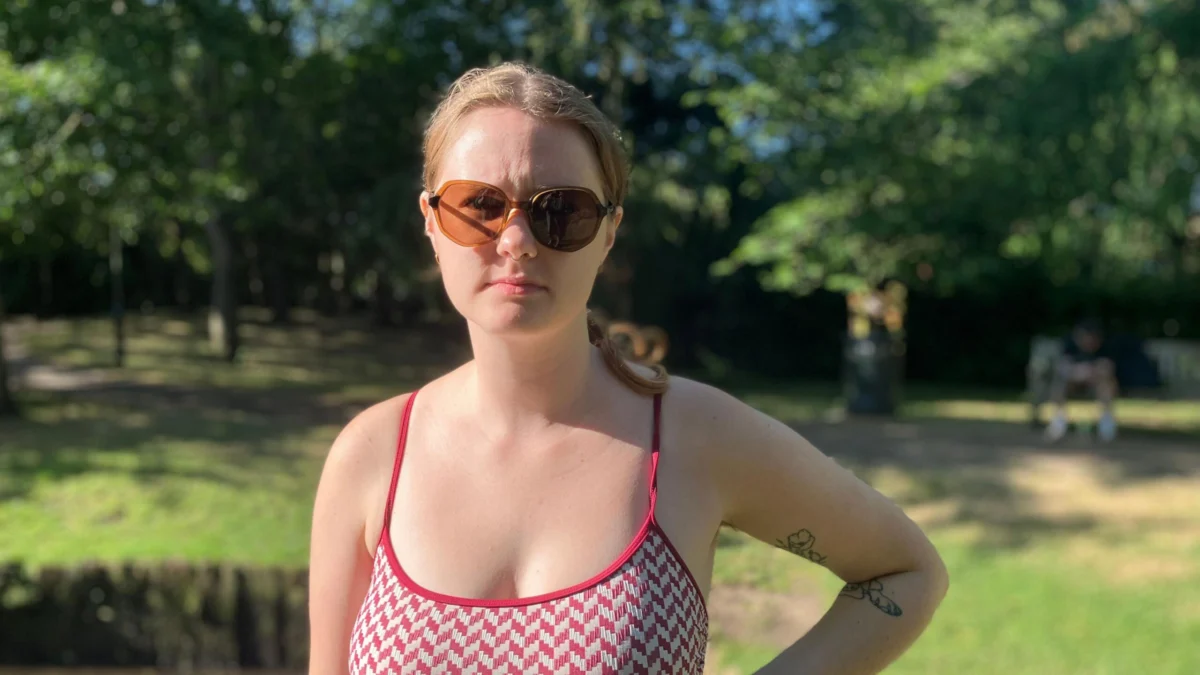
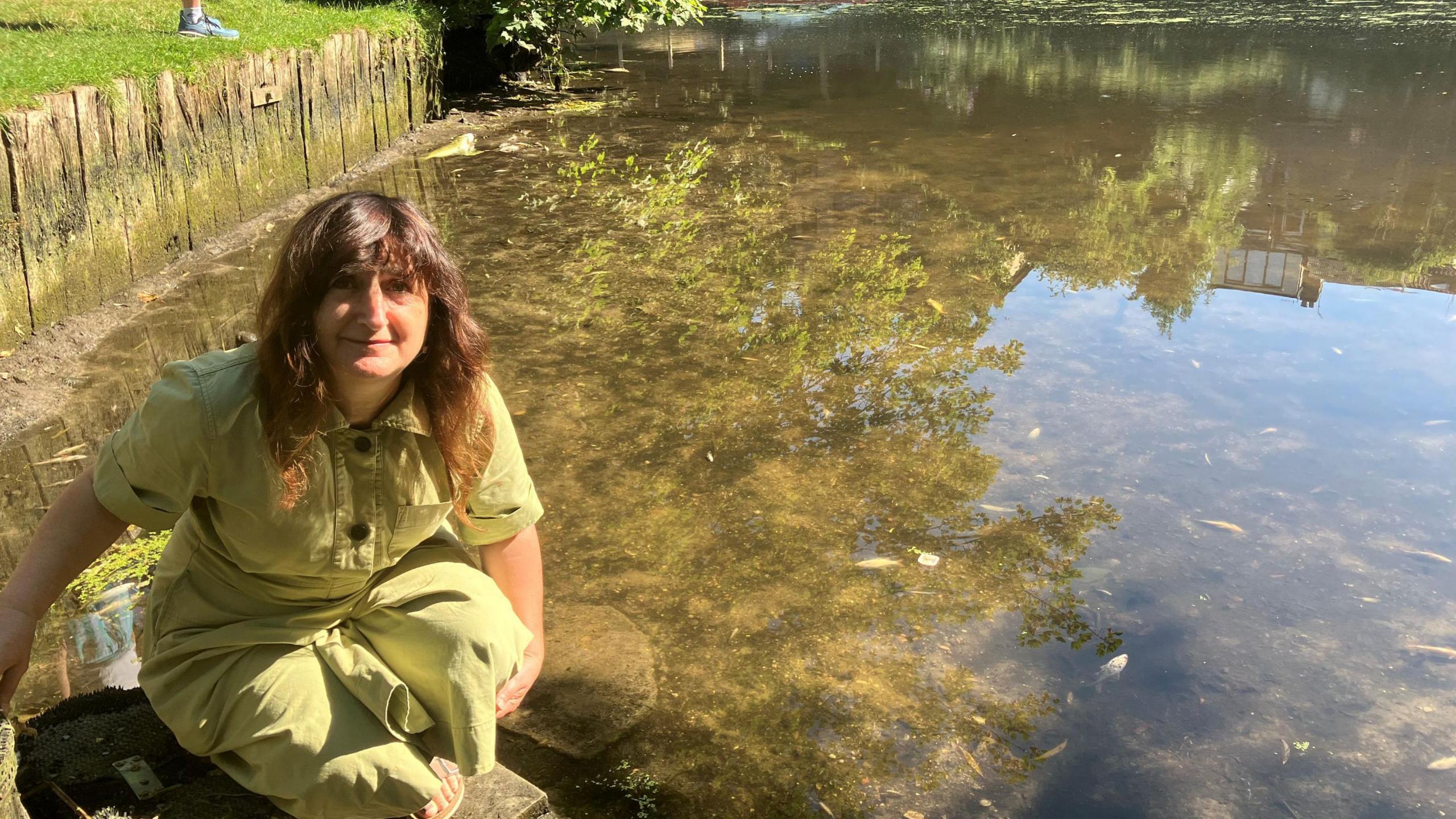
The scenes were described as "absolutely heartbreaking" by Sarah Eglington, a local river campaigner and a member of the Wensum Riverkin group, which advocates for enhanced maintenance and protection of the river. Her sentiment was echoed by many who frequent the river for recreation and appreciate its natural beauty. The Environment Agency, the principal body responsible for environmental protection in England, swiftly launched an investigation, concluding that the primary factors were a significant depletion of dissolved oxygen in the water due to unusually high temperatures, exacerbated by heavy rainfall on Thursday which likely introduced pollutants from surface water drainage systems into the already stressed river.
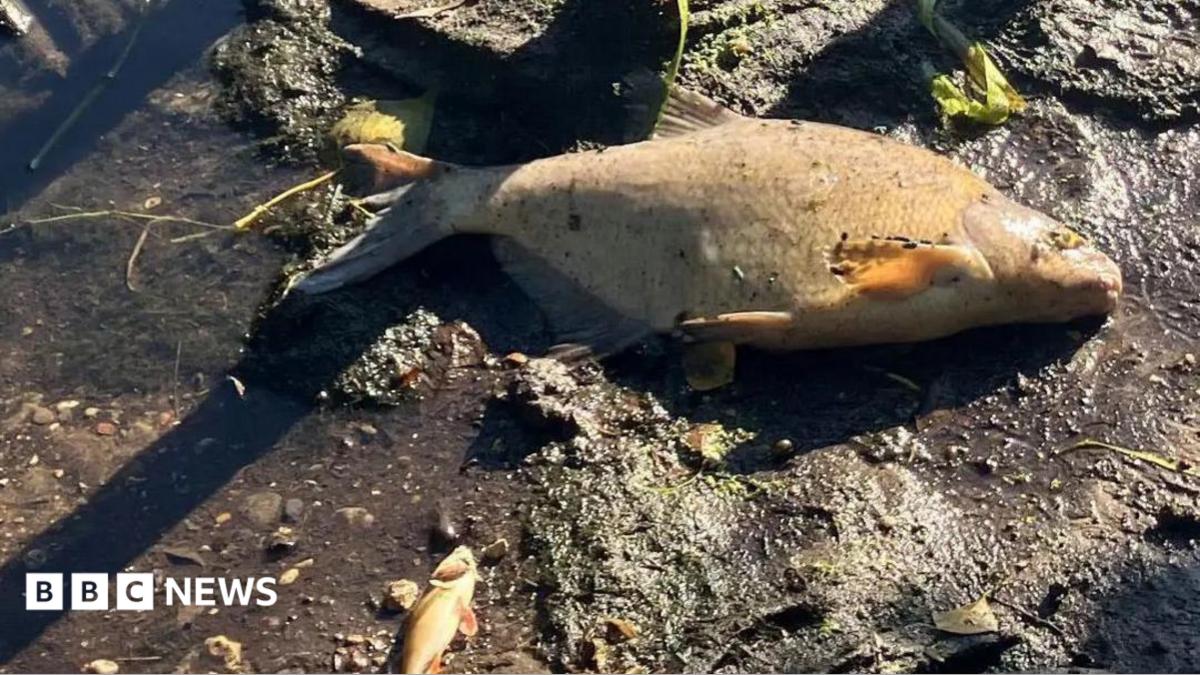
An Environment Agency spokesperson elaborated on the scientific mechanisms at play, explaining that prolonged periods of high temperatures create conditions that "significantly" reduce the amount of oxygen that can dissolve in water. Warmer water naturally holds less oxygen, a critical component for aquatic life. Furthermore, elevated temperatures can accelerate the decomposition of organic matter in the river, a process that consumes even more dissolved oxygen, creating a hypoxic or anoxic environment deadly to fish. This natural phenomenon was critically compounded by the urban runoff. Heavy rainfall, while often seen as a relief during dry spells, can be a major carrier of pollutants. In this instance, the deluge on Thursday acted as a conduit, flushing accumulated contaminants from roads, residential areas, and potentially misconnected drains directly into the river. These contaminants could include everything from oil and fuel residues, pesticides, fertilisers, animal waste, and general litter, all of which contribute to poor water quality and further deplete oxygen as they break down.
The Wensum Riverkin group’s Sarah Eglington painted a stark picture of the rapid degradation. Just days before the mass fish kill, on Wednesday, she had swum in the river with her son, recalling the water as "beautiful." The transformation, she noted, was so profound that "you wouldn’t recognise" it as the same river. Her emotional response encapsulated the shock felt by the local community: "I could cry," she confessed, highlighting the deep connection many residents have with the river. This sudden shift from a vibrant, healthy ecosystem to a scene of widespread death underscores the fragility of river environments in the face of environmental pressures.
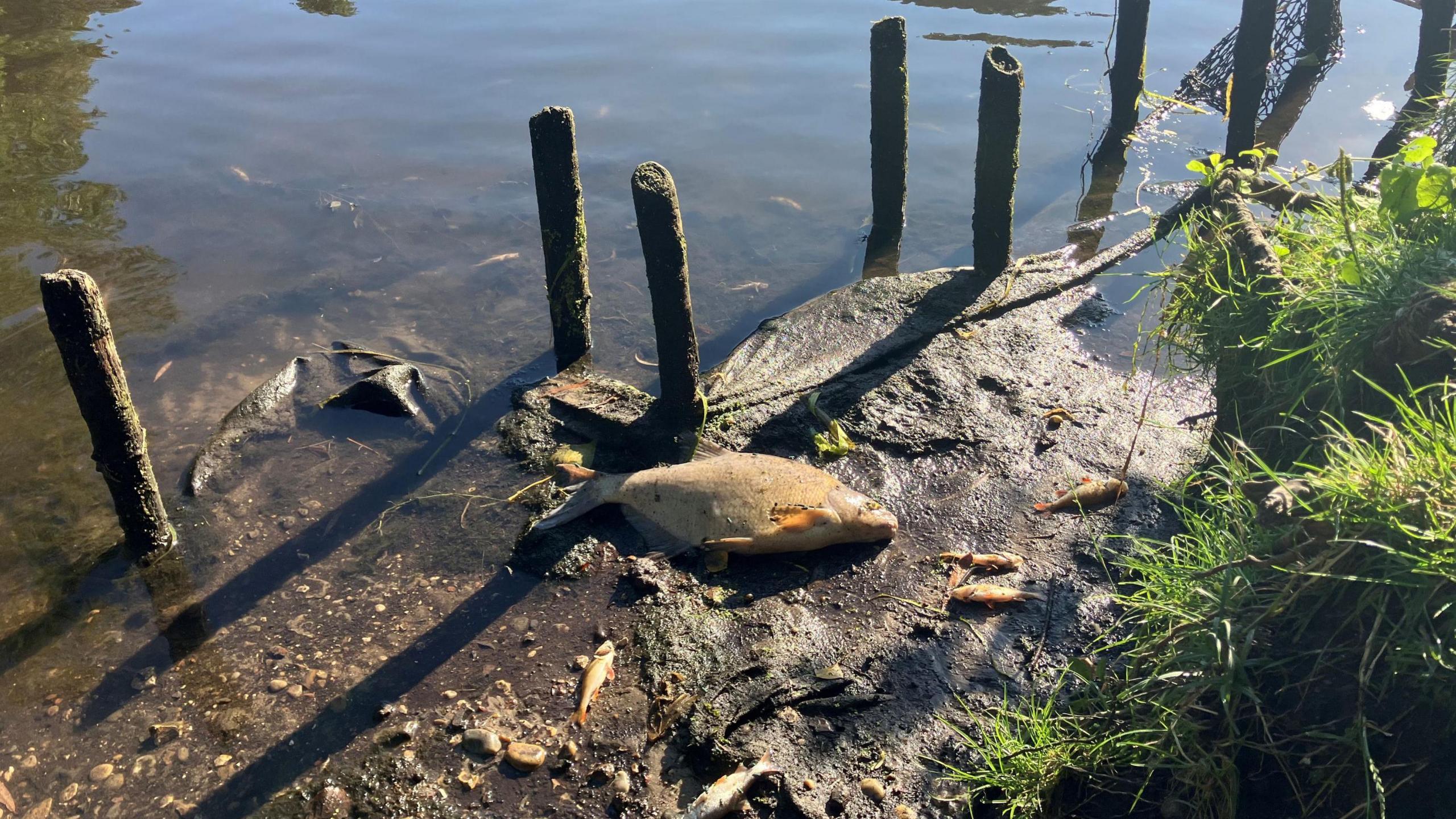
Lucy Galvin, the Green Party leader of Norwich City Council, expressed her own profound dismay, describing herself as "absolutely devastated" after visiting the affected stretch of the river near Cow Tower, a medieval defensive structure. She and other concerned residents meticulously observed and identified the diverse range of species that had succumbed: dead pike, carp, roach, eel, rudd, and dace were among the casualties. This extensive list of affected species indicates a widespread ecological impact, affecting various trophic levels within the river’s food web. Councillor Galvin squarely placed the blame on the broader issue of climate change, stating, "What we are seeing are the effects of climate change and it is catastrophic." Her comments reflect the scientific consensus that global warming is leading to more frequent, more intense, and longer-lasting heatwaves, which directly impact aquatic environments by increasing water temperatures and reducing oxygen levels.
Rose, a 24-year-old member of the Cow Tower Dippers, a local swimming group that regularly uses the river, echoed the unprecedented nature of the event. "It’s never been like this, it is devastating," she remarked, indicating that even those intimately familiar with the river’s rhythms had not witnessed such a calamitous decline. Her testimony underscores the growing concern among local communities about the health of their waterways and the visible impacts of environmental degradation.
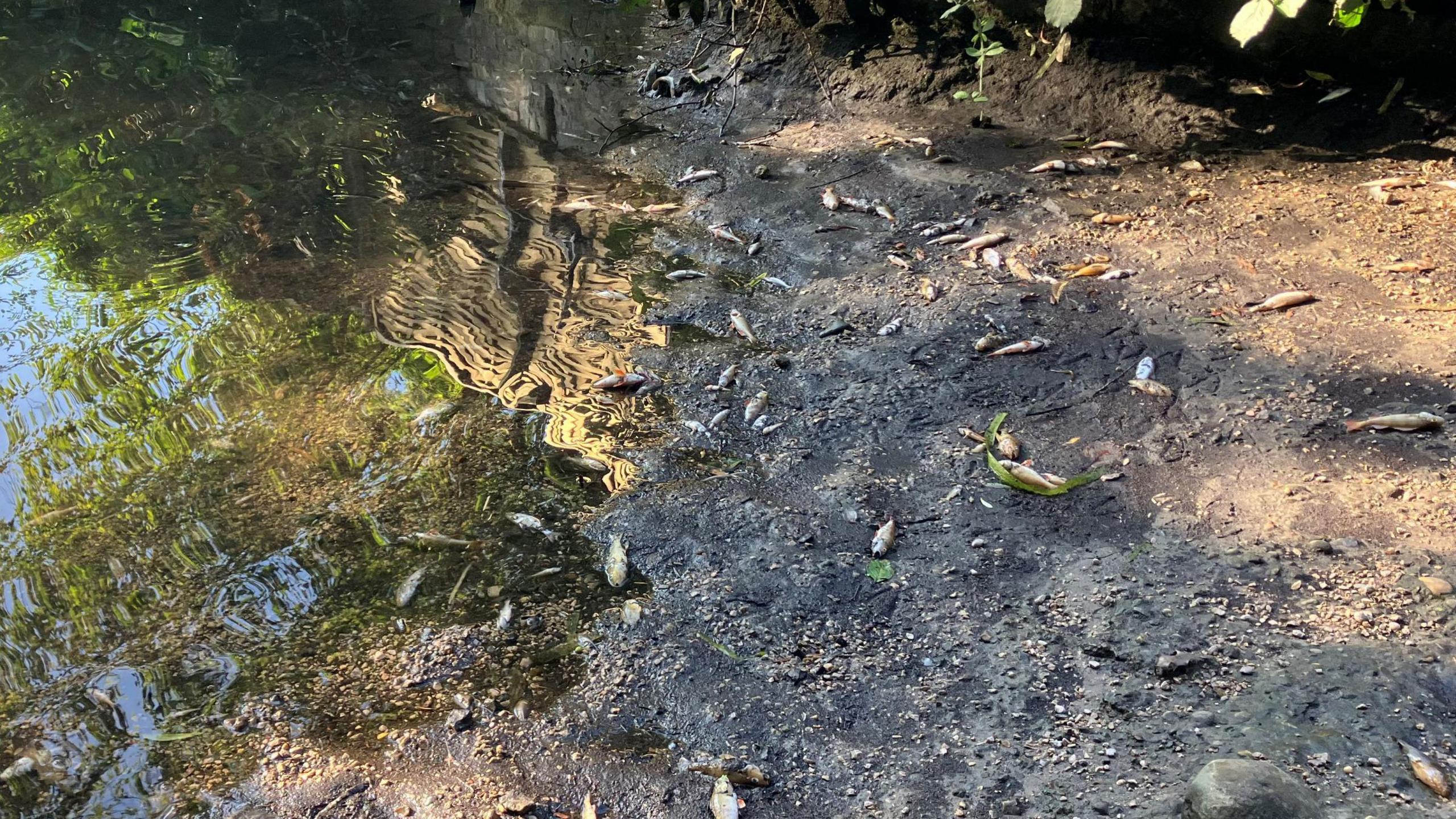
The River Wensum is not just any river; it is a vital ecological asset. Stretching approximately 44 miles (71km) through the picturesque county of Norfolk, it holds the prestigious designations of both a Site of Special Scientific Interest (SSSI) and a Special Area of Conservation (SAC). These classifications underscore its immense ecological importance, protecting it under national and European law respectively. The river is celebrated for its exceptional biodiversity, reportedly home to more than 100 plant species and a rich invertebrate fauna, making it a critical habitat for a wide array of life. Crucially, it is recognised as one of the most important chalk river habitats in England – a globally rare and precious type of river ecosystem, characterised by crystal-clear waters, stable temperatures, and high biodiversity, fed by groundwater filtering through chalk bedrock. The loss of fish in such a sensitive and protected environment is not merely a local tragedy but a significant blow to a nationally and internationally important ecosystem.
The Environment Agency confirmed its officers promptly attended the scene, collecting samples and conducting investigations. Their conclusion reaffirms the dual threat: "The most likely cause of the incident was heavy rainfall on Thursday evening flushing contamination from surface water drainage systems into the river. This has coincided with a period of low river flows and high temperatures, creating conditions that significantly reduced dissolved oxygen levels in the water." The agency pledged to continue monitoring the river’s health and to collaborate with partner organisations to address the immediate aftermath and explore long-term solutions.
This incident serves as a stark reminder of the escalating pressures faced by freshwater ecosystems, particularly in urbanised areas. Chalk rivers, despite their inherent resilience, are highly vulnerable to anthropogenic impacts. The combination of prolonged heatwaves, a direct consequence of climate change, and the persistent issue of diffuse pollution from urban runoff creates a ‘perfect storm’ for aquatic life. Low river flows, often seen during dry periods or due to abstraction, reduce the river’s capacity to dilute pollutants and buffer against temperature increases, making it even more susceptible.
Preventative measures and long-term strategies are crucial to safeguard such vital waterways. These include investing in improved urban drainage infrastructure, such as sustainable drainage systems (SuDS) that mimic natural processes to manage rainwater closer to where it falls, reducing runoff and filtering pollutants. Better management of sewage systems, including addressing misconnections and reducing the frequency and volume of storm overflows, is also paramount. Public awareness campaigns are essential to educate residents on the impact of what they dispose of down drains and into surface water systems. Ultimately, addressing the root cause of increasingly extreme weather events through robust climate change mitigation policies is vital for the long-term health and survival of rivers like the Wensum. The tragic loss of fish in Norwich is a poignant call to action, highlighting the urgent need for integrated environmental management and a renewed commitment to protecting our precious natural heritage.


 atisusanti
 George Anjay
 Nakalama John

 Ramos Leo