
 Nana Banana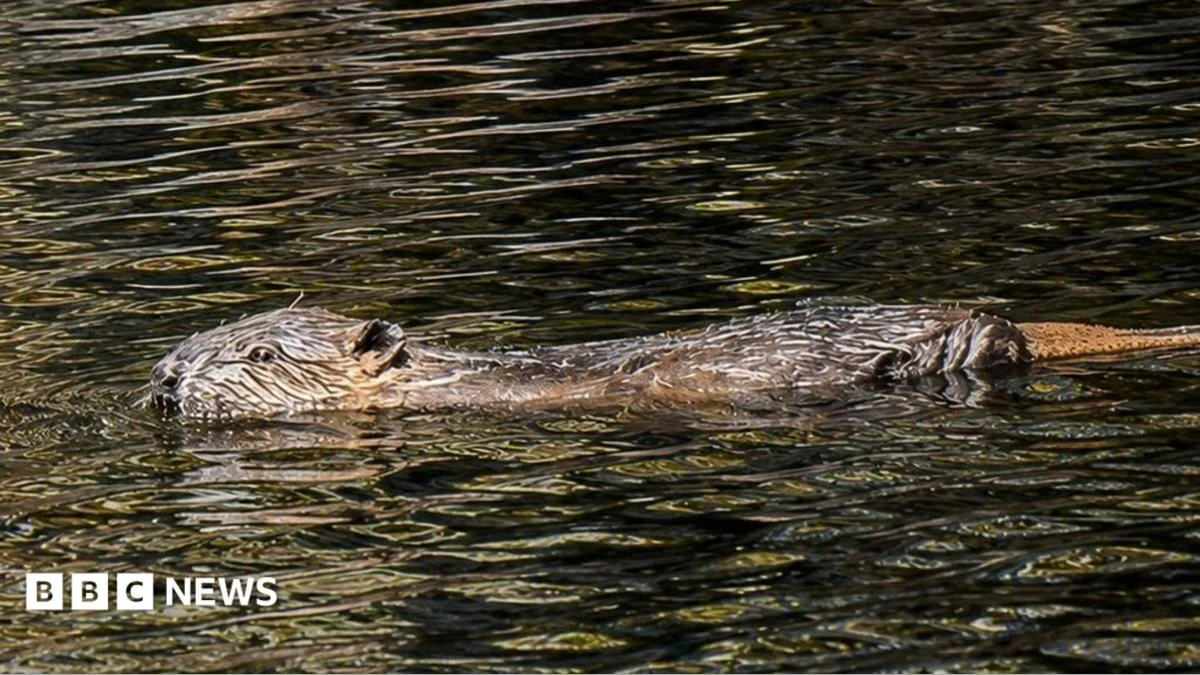
For centuries, British waterways flowed largely unhindered by the intricate structures beavers naturally construct. Their dams and ponds, once a common feature of the pre-industrial landscape, disappeared, leading to faster water runoff, reduced natural flood storage, and a diminished capacity for ecosystems to withstand periods of drought. The reintroduction of beavers, therefore, represents not just the return of a native species but a deliberate effort to restore vital ecological processes.
A pivotal moment in this ecological restoration came in 2015 when beavers were reintroduced to the wild in the River Otter, Devon. This groundbreaking project, initially a trial, meticulously monitored the beavers’ activities and their impact on the local environment. The success of the River Otter population in creating dynamic wetland habitats, improving water quality, and mitigating flood risks provided compelling evidence of their beneficial role. Building on this success, and reflecting a growing understanding of their ecological value, February of this year saw the release of four additional pairs into the Par and Fowey rivers in Cornwall, marking a significant expansion of their return to British ecosystems. These reintroductions are part of a broader national strategy to re-establish beavers in suitable habitats, recognizing their potential as a nature-based solution to pressing environmental challenges.
Dr. Richard Puttock, a leading expert in beaver ecology and hydrological impacts, highlights the primary mechanism through which beavers exert their influence: dam building. "One of the biggest modifications beavers do is build dams," Puttock explains. These structures are not mere obstructions but sophisticated engineering feats, constructed from branches, mud, stones, and vegetation. The dams create intricate networks of ponds and channels, forming expansive wetlands that serve multiple purposes. For beavers themselves, these wetlands offer crucial safety from predators, providing deep water for refuge and submerged entrances to their lodges, known as ‘lodges.’ The watery landscape also facilitates their movement around the territory, allowing them to access food sources and new building materials efficiently.
Beyond their immediate benefits to beavers, Puttock emphasizes that "increasingly, our research has shown this provides benefits to us as people and society, building a more resilient landscape." The creation of these complex wetlands by beavers directly addresses two of the most critical environmental challenges facing Britain and many other parts of the world today: flooding and drought. By altering the hydrology of an area, beavers essentially re-engineer the natural water cycle. When the landscape is encouraged to hold more water, its inherent resilience against both excessive wet periods and prolonged dry spells dramatically increases.
The genius of beaver-engineered wetlands lies in their ability to regulate water flow. The dams, often described as "leaky dams," are not designed to create impermeable barriers but rather to slow down the passage of water. This deceleration of water movement allows it to spread out across floodplains, infiltrate the soil, and recharge groundwater reserves. Puttock’s research indicates that individual beaver wetland ponds can hold substantial volumes of water, estimated at approximately 1,000 cubic metres each. This capacity is crucial for flood mitigation, as these wetlands effectively reduce peak flows by up to 30%, retaining water that would otherwise rush downstream and exacerbate flooding in populated areas. The slow, controlled release of this stored water creates a dual benefit: it provides vital habitat refuge for a multitude of species and significantly enhances water resilience across the landscape.
While acknowledging that "one beaver wetland won’t solve all of our drought problems," Puttock stresses the cumulative impact. As beavers continue to expand their presence in British landscapes, and as these efforts are complemented by other nature-based solutions and wetland creation schemes, the collective effect becomes substantial. A landscape dotted with numerous beaver wetlands acts as a vast natural sponge, soaking up excess rainfall during wet periods and gradually releasing it during drier months. This sustained release helps to maintain baseflows in rivers and streams, preventing them from drying up entirely, sustaining aquatic life, and ensuring water availability for agriculture and human consumption during droughts. This re-wetting of the landscape is a powerful countermeasure against the escalating frequency and intensity of droughts brought about by climate change.
A decade ago, when Puttock commenced his research into beavers, his primary focus was flood management. The idea of beavers contributing to wildfire prevention was not even on his radar. However, global research, particularly emerging from the United States, has underscored a fundamental principle: "water doesn’t burn." This seemingly simple truth has profound implications for fire management. In landscapes where beavers have been active, creating and maintaining wetlands, these areas remain significantly wetter than their surrounding environments.
"When we can create wetlands and beaver wetlands, it creates resilient landscapes to drought but also to the extremes of drought such as wildfires," Puttock observes. The creation of these wet areas acts as a natural firebreak, halting the spread of wildfires by removing fuel and creating moist barriers that flames struggle to cross. In increasingly dry summers, which are becoming more common in the UK, the risk of wildfires in woodlands, heathlands, and peat bogs is growing. Having these wet landscapes strategically positioned can provide invaluable protection, safeguarding both natural habitats and human infrastructure from devastating fires. This newfound understanding adds another critical dimension to the multifaceted benefits offered by beaver reintroductions, transforming them from a tool for flood control into a holistic solution for climate adaptation.
The return of beavers to Britain is more than just a conservation success story; it is a strategic investment in the nation’s ecological infrastructure. By restoring a keystone species, the UK is leveraging natural processes to build a more robust, resilient landscape capable of withstanding the increasing pressures of a changing climate. From mitigating floods and safeguarding water supplies during droughts to preventing destructive wildfires and fostering biodiversity, beavers are proving to be indispensable partners in the ongoing effort to create a more sustainable future. Their intricate engineering work provides a powerful, self-sustaining mechanism for restoring ecological balance and enhancing the adaptive capacity of our natural systems.



 atisusanti
 George Anjay
 Nakalama John

 Ramos Leo