Nana Banana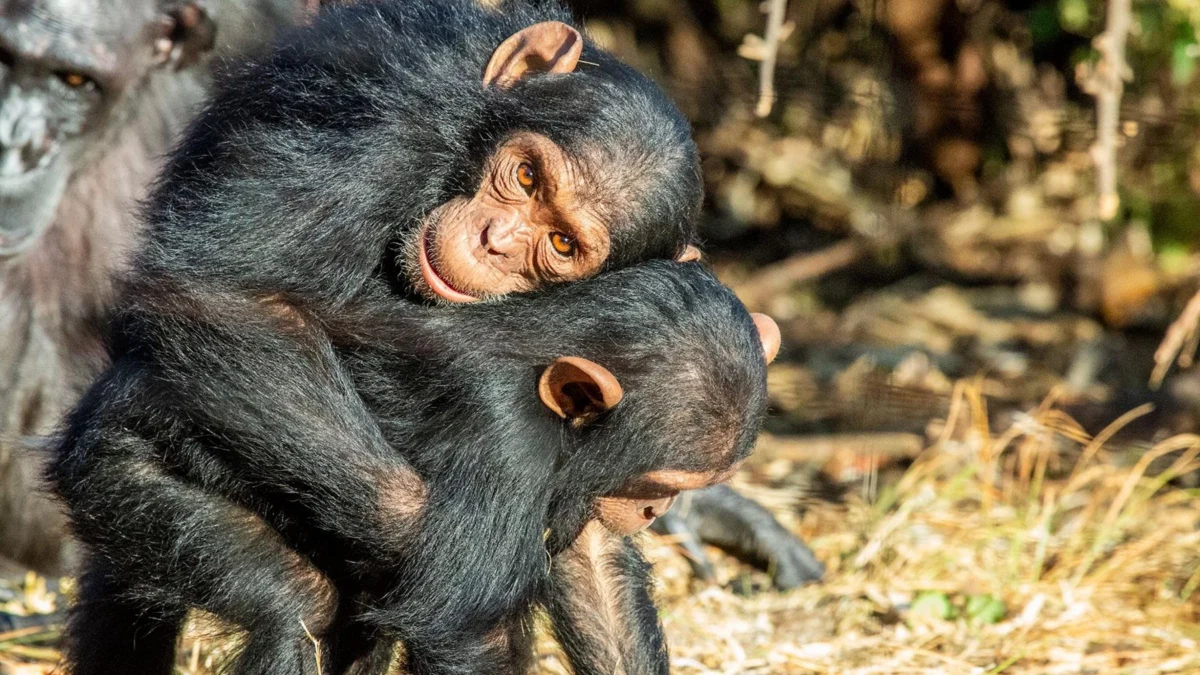
The study, led by Prof. Zanna Clay and Dr. Jake Brooker, delved into the nuanced interactions within great ape communities housed at two vital sanctuaries: the Lola ya Bonobo Sanctuary in the Democratic Republic of Congo and the Chimfunshi Wildlife Orphanage Trust in Zambia. These sanctuaries provide crucial environments for rehabilitating and studying these intelligent primates, offering unique insights into their naturalistic behaviors.
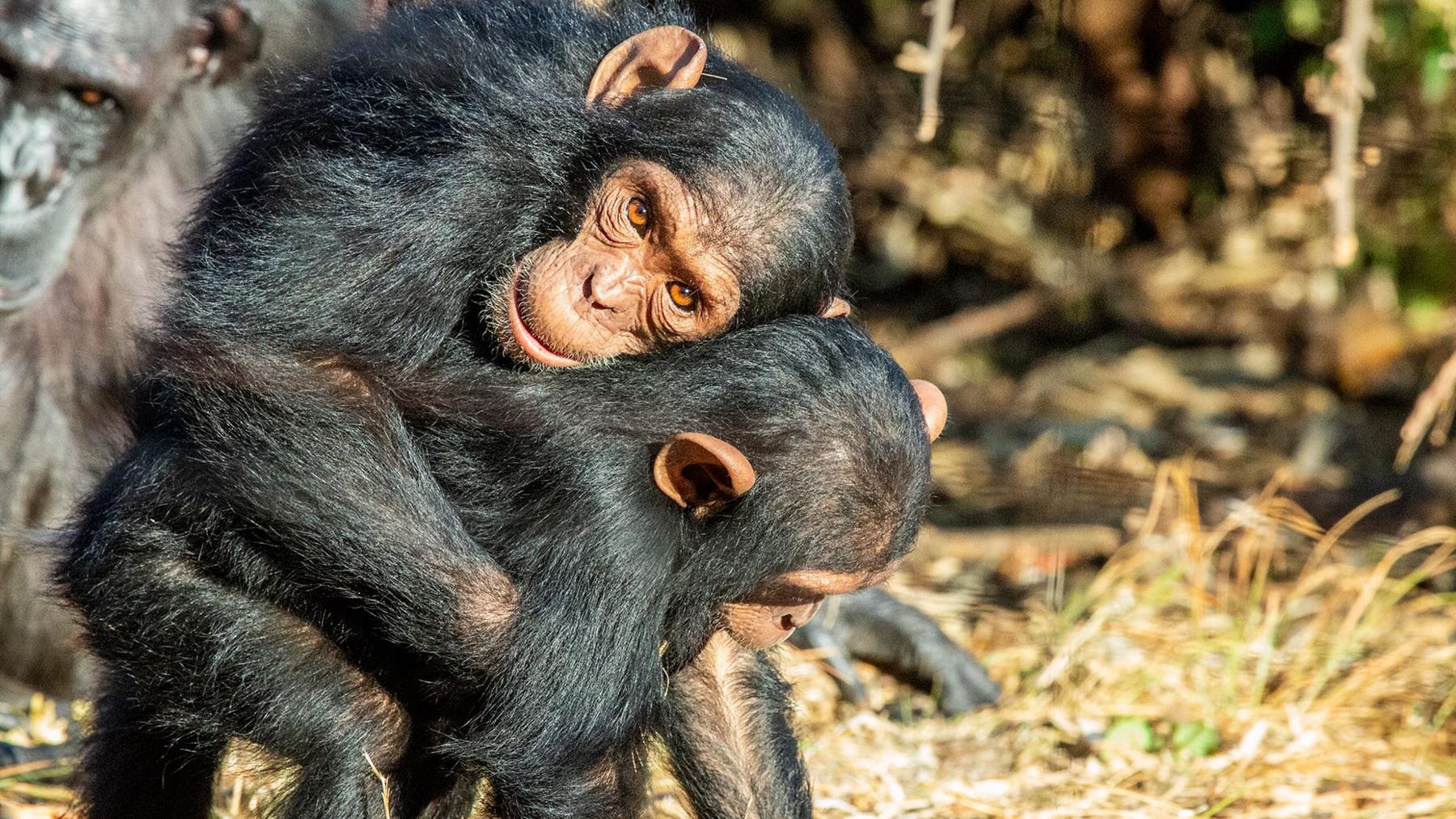
One of the most compelling and somewhat surprising findings to emerge from the research was the observation of chimpanzees, a species often characterized by its aggressive hierarchical structures and territorial disputes, engaging in remarkably close and intimate physical contact. This included not only embraces and touches but also the intriguing act of placing fingers in one another’s mouths – a gesture that, in human terms, might signify profound trust or even a form of pre-emptive bonding ritual. Prof. Zanna Clay articulated the essence of these behaviors, stating, "Before stressful events, they come together, they reassure each other, they touch each other, they hug each other." She likened this pre-emptive bonding to "a rallying cry" before a challenging situation, drawing a parallel to the familiar human spectacle of a football huddle before a big match. "It’s like a ‘we’ rather than a ‘me’," she explained, emphasizing the collective mindset these gestures help to forge, transforming potential individualistic competition into a more cohesive group effort.
To systematically observe and analyze these interactions, the experts meticulously designed an experiment that sought to mimic natural feeding scenarios in the wild, using highly desirable peanuts as the catalyst for potential conflict. The apes were observed intently during the five-minute period immediately preceding the arrival of the food – a window when they were keenly aware that a valuable resource was imminent and competition might arise. During this critical interval, researchers carefully recorded every instance of what they classified as reassuring physical contact, encompassing a range of gestures from gentle touches and full embraces to distinct kissing behaviors.
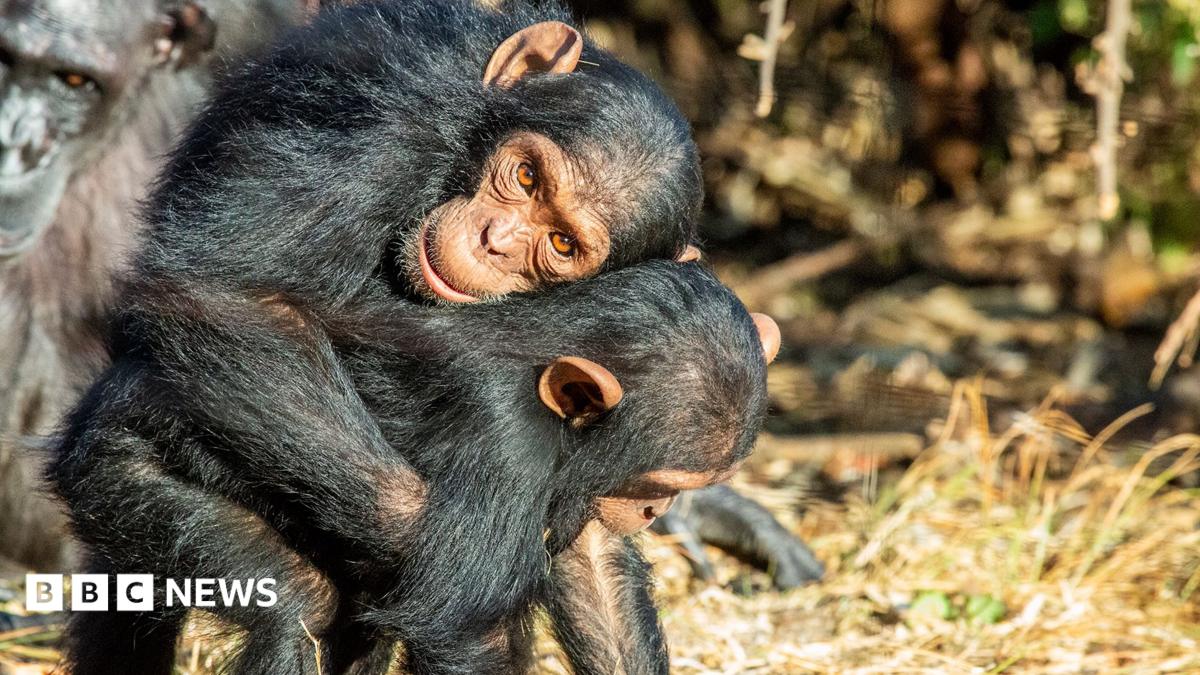
The data revealed a clear and significant correlation: individuals who engaged in more frequent touching and hugging behaviors prior to the food’s arrival were demonstrably more likely to successfully access the food and, crucially, to eat alongside each other peacefully. This finding underscores the adaptive function of these social rituals, demonstrating their efficacy in mitigating aggression and promoting harmonious co-existence even in the face of resource scarcity. Furthermore, the study noted that groups exhibiting higher overall levels of social tolerance also displayed a greater frequency of reassuring touch. This was sometimes manifested in complex patterns described by the researchers as "reassurance trains," where multiple apes would embrace one another in succession, creating a cascade of comfort and solidarity throughout the group. For example, observations included moments like the comforting embrace between juvenile male chimpanzees, Little Jake and Little Joey, in their forested sanctuary, or Tschibo offering solace to Oshwe after an aggressive encounter, highlighting the pervasive nature of these appeasement tactics.
Dr. Jake Brooker highlighted the profound evolutionary implications of these comparative studies. "Comparing bonobos and chimpanzees – our two closest relatives – offers fascinating insight into the evolutionary roots of social behaviour and how they, and we, manage tension, competition and cooperation," he remarked. His insights underscore the idea that social touch is not merely a modern human invention but one of the most ancient and fundamental forms of communication, likely predating the development of complex language by millions of years. This non-verbal communication, immediate and visceral, would have been invaluable for early hominids navigating complex social landscapes.
The researchers propose that the use of touch as a cornerstone for building trust and fostering cooperation could trace its origins back at least seven million years, predating the evolutionary divergence of humans, chimpanzees, and bonobos from their last common ancestor. This suggests that the comforting power of a touch or an embrace is not merely a learned cultural behavior but a deeply embedded biological imperative that has been conserved across primate lineages. Therefore, when humans engage in familiar social rituals – whether it’s the unified stance of a football team in a huddle, the supportive hug shared between teammates, or a reassuring pat on the shoulder offered before a high-stakes event – they are, in essence, drawing upon a sophisticated social toolkit that has been honed and passed down through millions of years of primate evolution. These acts are not just expressions of modern camaraderie; they are echoes of an ancient mechanism designed to bind individuals together, reduce stress, and promote collective success in the face of adversity. The physiological underpinnings of such contact, including the release of oxytocin, often called the "love hormone," further supports its role in bonding and stress reduction, mechanisms likely shared across these closely related species.
Understanding these foundational aspects of primate social behavior has broader implications, extending beyond mere academic interest. It offers valuable insights into the cognitive and emotional lives of these incredible animals, informing conservation efforts and promoting a deeper appreciation for their complex societies. The crucial role played by sanctuaries in providing stable environments for such detailed behavioral studies cannot be overstated, as they offer unique windows into behaviors that are increasingly difficult to observe in fragmented wild populations. The study’s findings pave the way for further research into the specific contexts that trigger these behaviors, individual variations in their expression, and their long-term effects on group cohesion and individual well-being.
Ultimately, this research profoundly highlights the shared evolutionary heritage between humans and great apes, demonstrating that the profound importance of physical affection in fostering peace, trust, and cooperation is a universal language, transcending species boundaries and rooted deeply in our collective past. The study’s comprehensive findings have been peer-reviewed and published in the prestigious journal, Proceedings of the Royal Society B: Biological Sciences, affirming its significant contribution to the fields of primatology and evolutionary biology.




 Roy Suryo

 Nakalama John
 atisusanti
 Ramos Leo