
 Nana Banana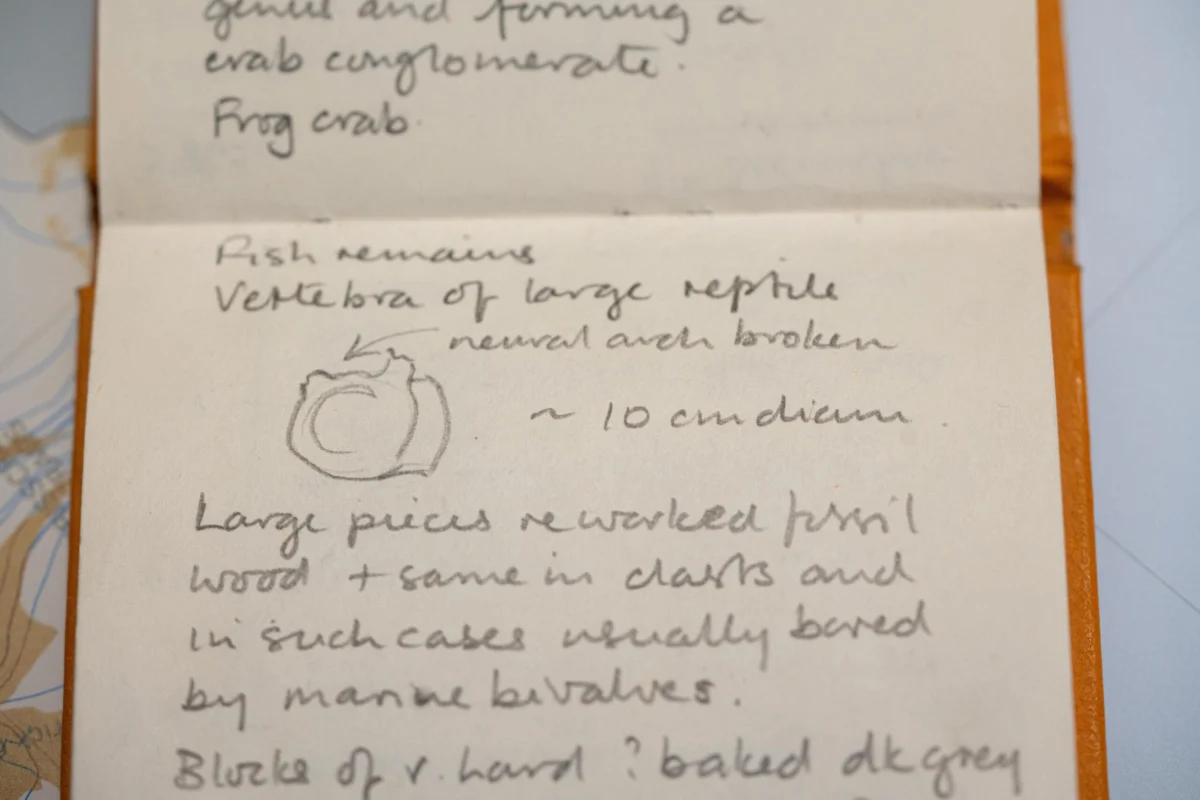
The journey of this remarkable specimen began in 1985, amidst the stark, breathtaking landscapes of James Ross Island, a rugged outpost off the northern tip of the Antarctic Peninsula. A team of geologists from the British Antarctic Survey (BAS) in Cambridge meticulously unearthed it during an expedition. While they recognized it as a significant find – a vertebra from a large reptile – the precise classification eluded them at the time. Without the specialized palaeontological expertise on hand in the remote field or the comparative data readily available today, the bone was catalogued and subsequently stored away, becoming one among thousands of specimens in the extensive geology collection at BAS headquarters. For decades, it resided in quiet obscurity, patiently awaiting the moment its identity would be revealed.
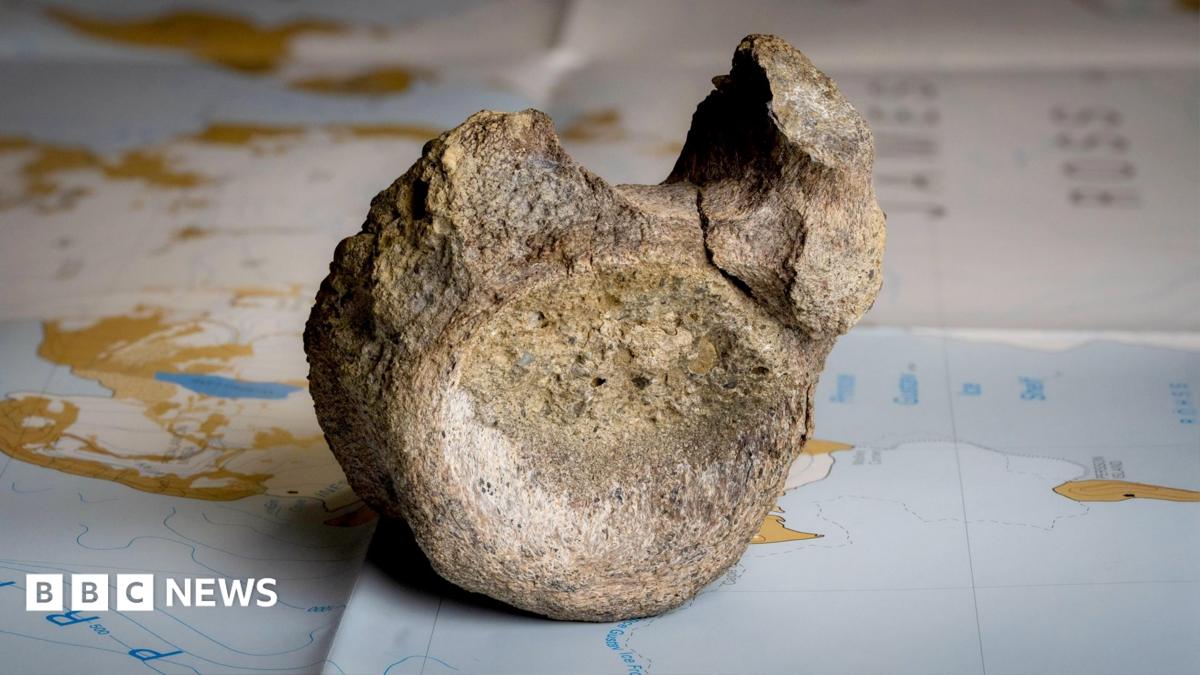
That moment arrived thanks to the keen eye and curiosity of Dr. Mark Evans, the diligent collections manager at BAS. As he systematically reviewed and curated the vast repository of specimens gathered from countless Antarctic expeditions over the years, the fossil caught his attention. "It’s only when you start thinking ‘what’s in this drawer’, that sometimes you come across something and you think, ‘Ah, this looks interesting’," Dr. Evans remarked, describing the subtle spark of recognition that often precedes major discoveries in museum collections. He immediately recognized that the vertebra possessed characteristics more akin to a dinosaur than a marine reptile, the latter being a more common (though still rare) find in Antarctic fossil records of that era. The potential historical significance was also striking: if it was indeed a dinosaur, its 1985 collection date would predate any other confirmed dinosaur discovery on the continent.
To confirm his suspicions, Dr. Evans sought the expertise of Professor Paul Barrett, a renowned palaeontologist from the Natural History Museum (NHM) in London. Professor Barrett, upon examining the fossil, immediately understood its profound implications. Holding the dark brown, mottled bone, roughly 10cm in diameter, he pointed out its distinctive morphology. "Although it’s not too much to look at, it actually has a really distinctive shape," Barrett explained. He highlighted a crucial anatomical feature: a concave hollow on one end of the vertebra and a rounded bump on the other. This unique "ball-and-socket" joint structure, designed to allow flexibility while providing robust support, is characteristic of the tail vertebrae of a specific group of dinosaurs. "As soon as I saw it, I knew what we were dealing with… it was a dead cert we were dealing with a Titanosaur," he declared, emphasizing that this combination of features is "completely unique to these types of dinosaurs."
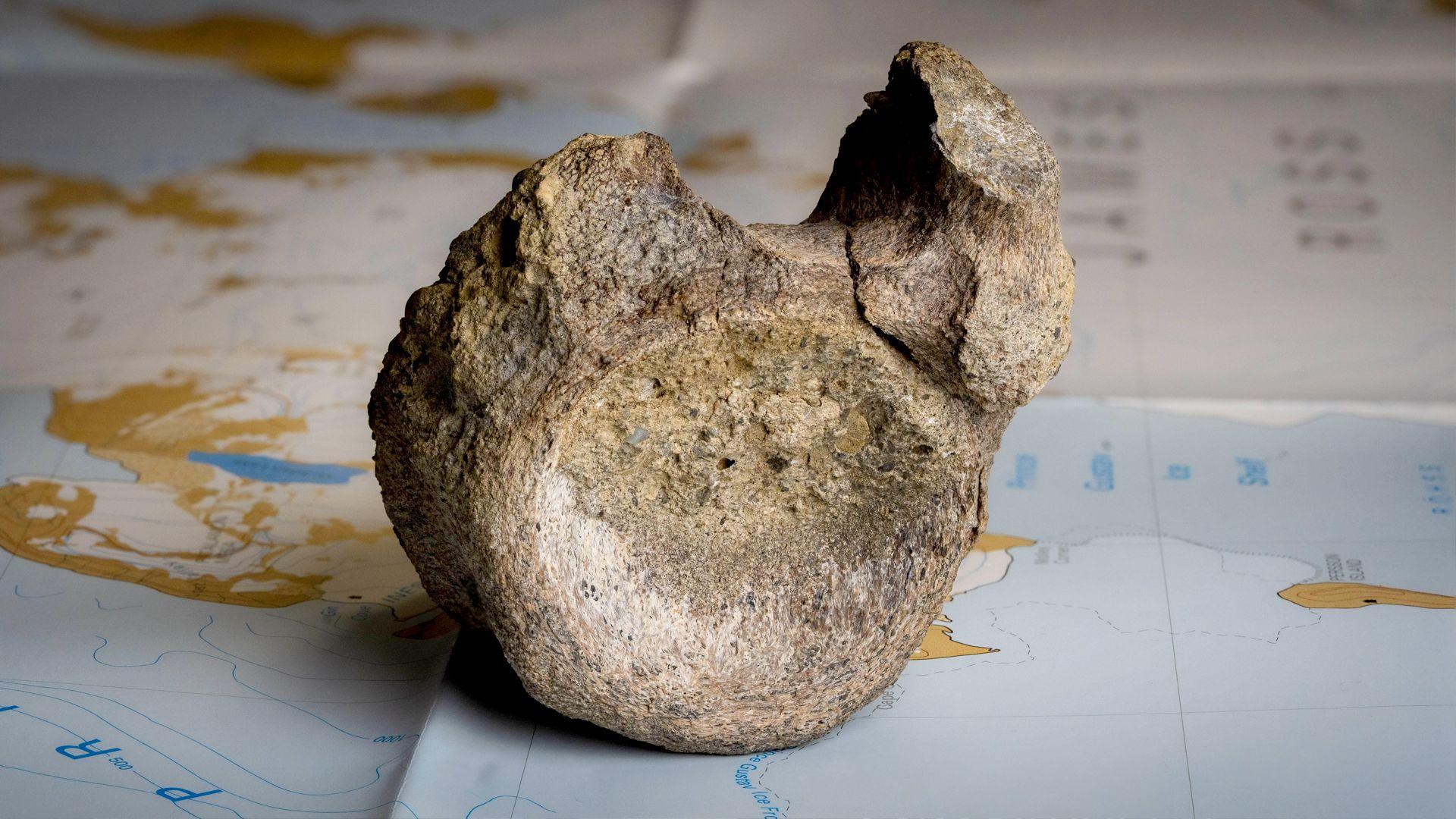
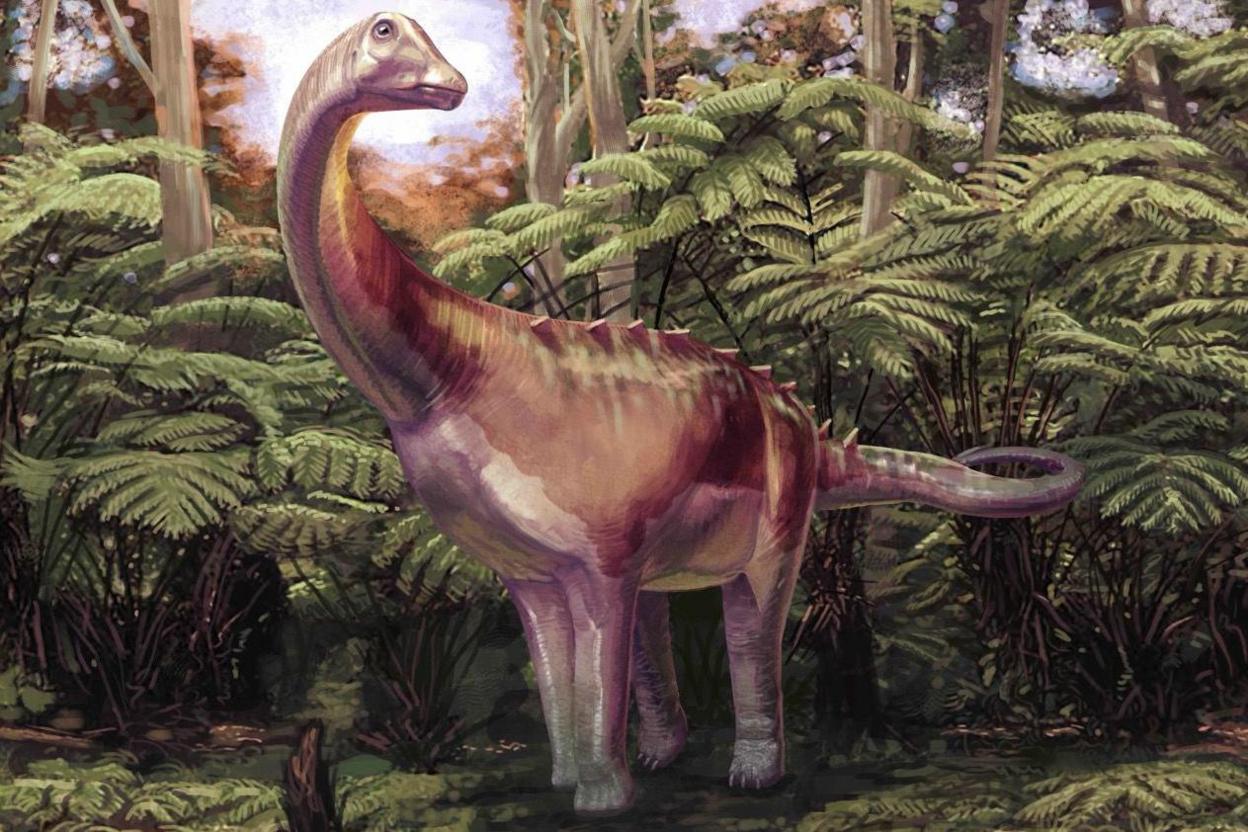
The fossil was confirmed as a caudal (tail) vertebra belonging to a Titanosaur, a subgroup of sauropod dinosaurs. Titanosaurs are celebrated as some of the largest land animals to have ever walked the Earth, known for their immense size, long necks, and powerful tails. More than 100 species of Titanosaur have been identified across various continents, painting a picture of their global dominance during the Late Cretaceous period. These colossal herbivores were quadrupedal, using their elongated necks to browse on high foliage and their substantial tails as counterweights. While the largest Titanosaurs could stretch over 115 feet (35 meters) in length and weigh a staggering 60 tonnes, this Antarctic specimen, based on the size of its tail bone, is estimated to have belonged to a more modest-sized individual, approximately 23 feet (7 meters) long. Professor Barrett speculated, "Maybe it was a juvenile dinosaur, or maybe it was a genuinely small one – one that was actually bucking the trend for the rest of the group as a smaller adult." This variation in size adds another layer to our understanding of Titanosaur diversity.
The discovery also offers a vivid glimpse into a vastly different ancient Antarctica. Eighty-two million years ago, during the Late Cretaceous Period, the continent was far from the icy wasteland we know today. Instead, it was a land of lush, temperate forests, teeming with plant life – an abundant food source for colossal plant-eaters like the Titanosaurs. This period was characterized by a global "greenhouse" climate, with much higher temperatures and sea levels, and the continents were still drifting into their modern configurations. Antarctica, while located closer to the South Pole than it is now, was not isolated by a circumpolar current as it is today, allowing for a milder climate and extensive flora. The presence of such a large herbivore underscores the richness and complexity of the Antarctic ecosystem during the age of dinosaurs, challenging the popular image of a perpetually frozen realm.
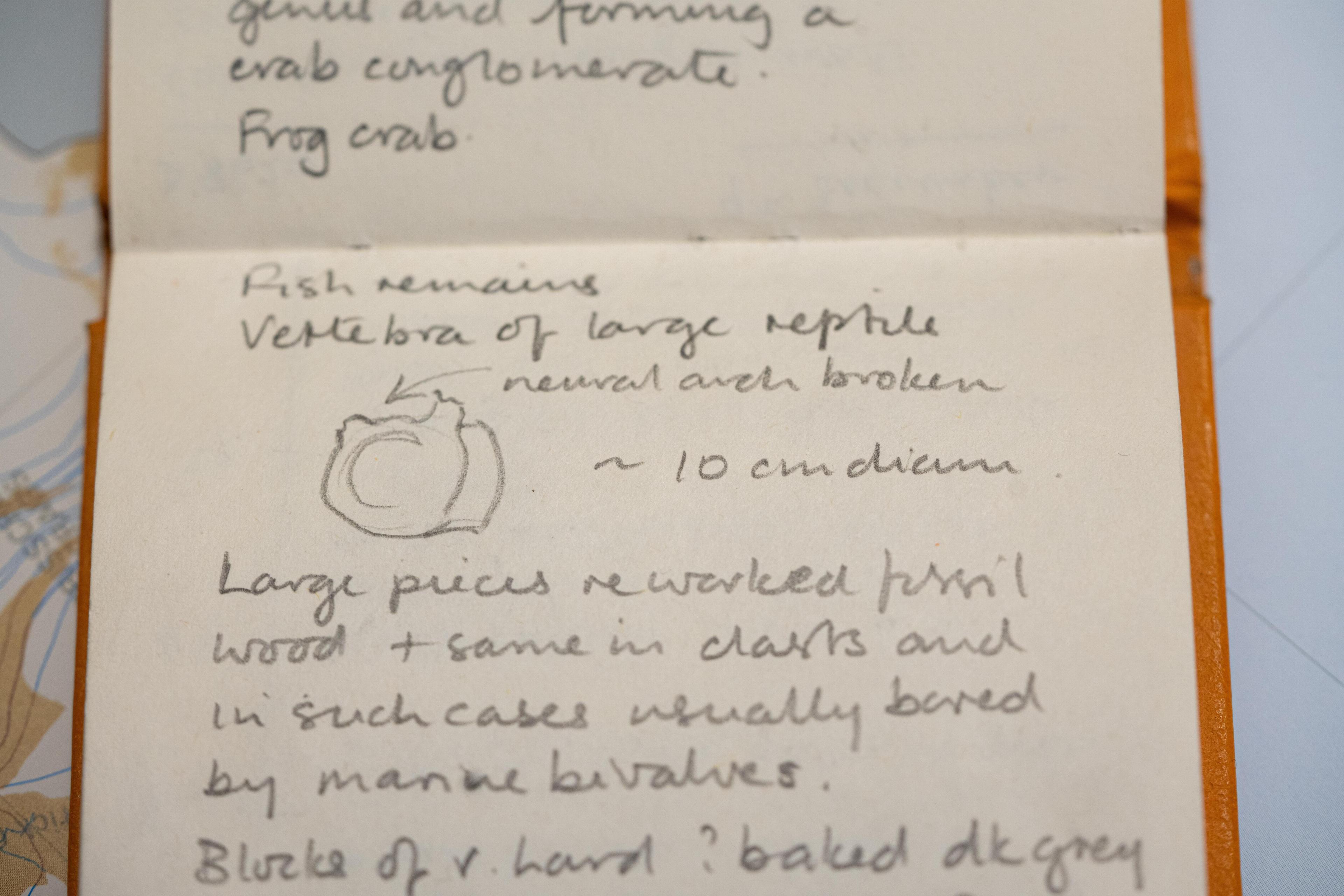
The original collection of the fossil by Dr. Mike Thomson and his team, though its dinosaurian nature was then unknown, was meticulously documented. Dr. Thomson’s field notebook, dated 9 December 1985, contains a small, neat sketch of the vertebra, accompanied by the careful annotation "vertebra of large reptile" and an approximate measurement of "10cm in diameter." This record, preserved alongside the specimen, became crucial evidence in establishing its historical priority as the first dinosaur bone from Antarctica. The initial classification as a "large reptile" was understandable given the limited information and resources available in the field at the time, and the general rarity of terrestrial dinosaur fossils compared to marine reptiles in Antarctic sedimentary rocks.
The belated identification of this fossil highlights several important aspects of scientific research. Firstly, it underscores the immense value of maintaining comprehensive and accessible museum and institutional collections. Often, specimens collected decades ago, with the best available tools and knowledge of their time, can yield revolutionary insights when re-examined with new technologies, techniques, or a fresh perspective. Secondly, it emphasizes the collaborative nature of palaeontology, where the expertise of collection managers like Dr. Evans and specialist palaeontologists like Professor Barrett combine to unlock long-held secrets.
Antarctica remains one of the most challenging regions for palaeontological exploration. The vast majority of its landmass is perpetually covered by a thick ice sheet, concealing the prehistoric rock record beneath. Only a small percentage of ice-free areas, primarily along the Antarctic Peninsula and its islands, offer windows into the continent’s ancient past. Consequently, dinosaur fossils from Antarctica are exceedingly rare, making each discovery profoundly significant. This Titanosaur vertebra not only holds the distinction of being the first but also contributes vital data to our understanding of how these magnificent creatures were distributed across the supercontinent Gondwana before its final breakup.
"It shows that an area that we now think is really uninhabitable was once actually very habitable and had this huge cast of characters living on it," Professor Barrett reflected. "It’s helping us to work out how they fitted into these broader ecosystems at the very bottom of the world about 80 million years ago." The discovery serves as a powerful reminder of Earth’s dynamic geological and climatic history, and the incredible adaptability of life. While other dinosaur fossils have been found in Antarctica since 1985, none can claim the historical primacy of this unassuming bone. Its journey from a remote Antarctic island, to a dusty drawer in Cambridge, and finally to the pages of scientific history, illustrates the enduring thrill of discovery and the profound stories hidden within our planet’s ancient past. A paper detailing this significant discovery has been published in the journal Acta Palaeontologica Polonica, ensuring its place in the annals of scientific exploration.




 Roy Suryo

 Nakalama John
 atisusanti
 Ramos Leo
