Nana Banana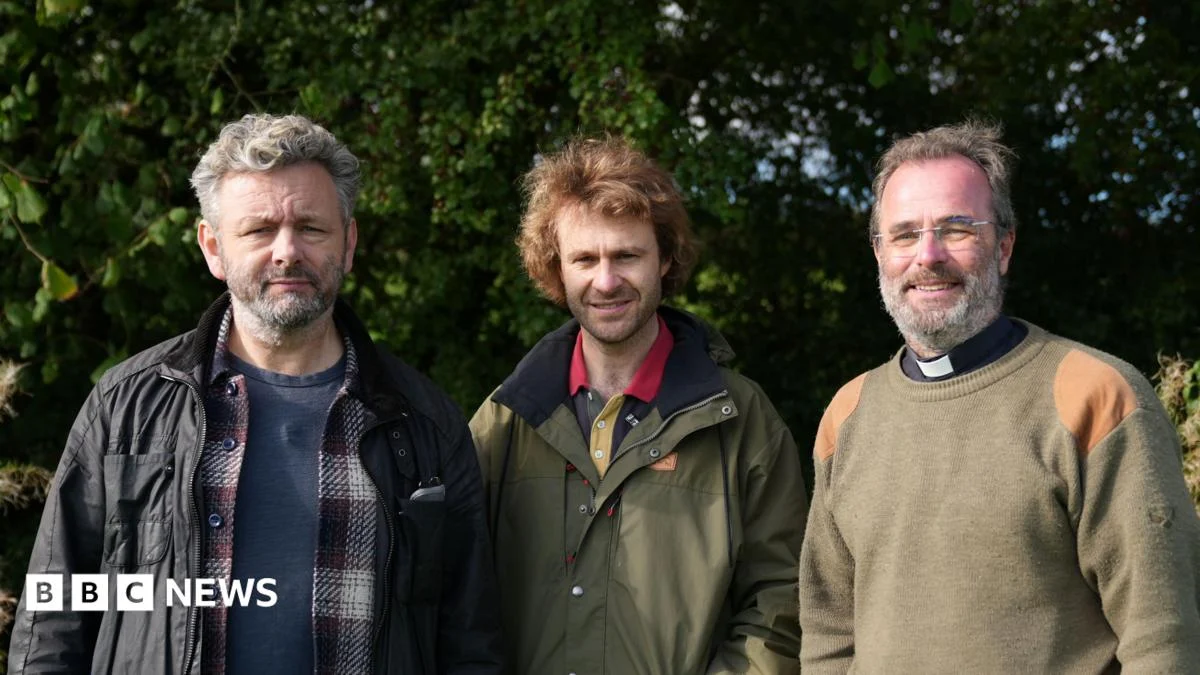
A new two-part BBC documentary titled "Buried with Michael Sheen" is set to cast a critical spotlight on the enduring legacy of toxic waste dumps across the UK, with Welsh Hollywood actor Michael Sheen taking the lead in an investigation that leans heavily on the two-decade-long efforts of a Shropshire vicar. The Rev Paul Cawthorne, priest in charge of churches in the Hadnall area, near Shrewsbury, has emerged as a pivotal figure in unearthing historical evidence of chemical dumping, particularly linked to the former industrial giant Monsanto. His meticulous research and tireless campaigning have led to findings described as "literally off the scale," now poised to challenge official narratives and ignite a fresh debate on environmental accountability.
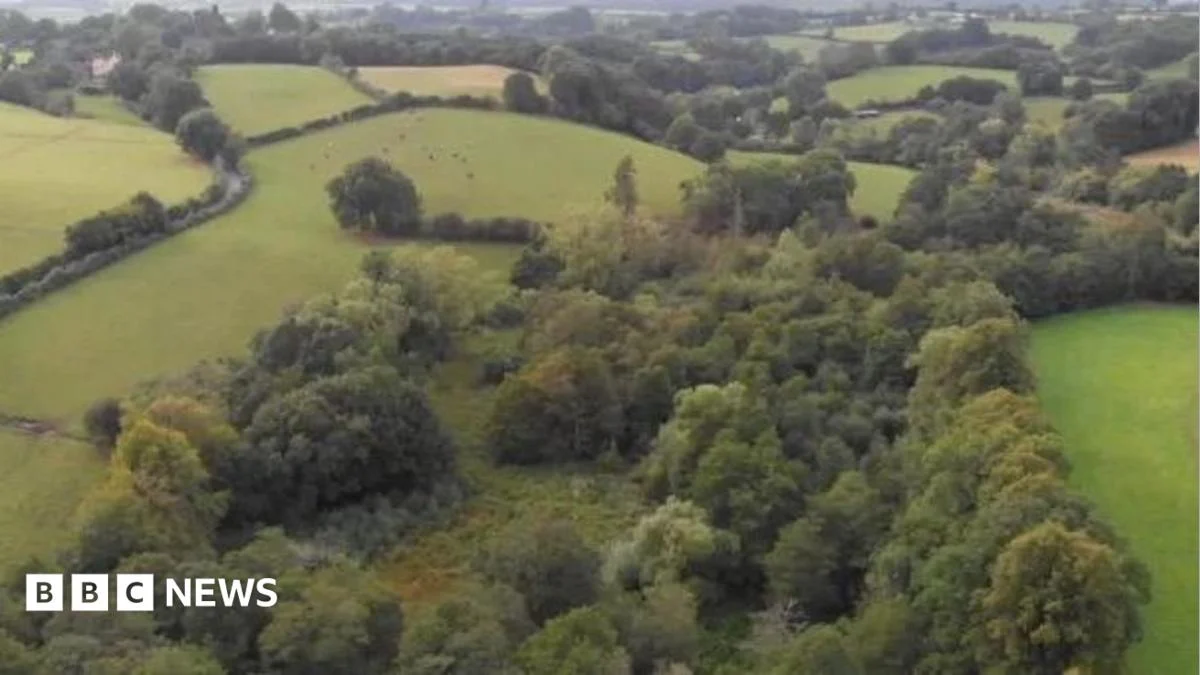
Rev. Cawthorne is not merely a clergyman but a committed environmental campaigner whose passion for safeguarding the natural world predates his current role. For over 20 years, he has dedicated himself to a mission of uncovering truths hidden beneath layers of soil and corporate history. His journey began with a deep concern for local environments, specifically focusing on the former landfill site at Stoney Hill, nestled near Coalbrookdale in Telford. It was here that he first encountered the unsettling prospect of Monsanto’s historical activities, learning that the chemical behemoth had legally disposed of waste at the site during the mid to late 1980s. This initial discovery proved to be the tip of an iceberg, propelling him into a much broader, more complex investigation spanning across three nations.
Monsanto, a company whose name has become synonymous with controversy in environmental circles, was a major producer of a range of chemicals, including polychlorinated biphenyls (PCBs), at its factories in Newport, south Wales, and Ruabon, near Chirk. PCBs are notorious for their persistence in the environment; these toxic man-made chemicals do not easily break down, posing long-term risks to ecosystems and human health. Before disposal legislation began to tighten in 1974, industrial waste management was often less regulated, allowing for practices that would be unthinkable today. However, the dumping at Stoney Hill occurred after these legislative changes, between 1985 and 1988, when the site was under the management of Shropshire County Council, raising critical questions about oversight and historical records.
"When I found out about the Monsanto chemical dumping at Stoney Hill, I next identified Sutton Walls in Herefordshire, then Cefn Mawr in north Wales," Rev. Cawthorne explained, detailing his investigative process. His methodology involved delving into historical archives, old maps, and local records, cross-referencing information to pinpoint potential sites. "I then went around south Wales valleys identifying historically documented sites which needed additional testing," he added, illustrating the methodical and extensive nature of his research. This systematic approach allowed him to build a comprehensive picture of a widespread, yet largely unacknowledged, problem.
The culmination of Rev. Cawthorne’s two-decade quest for truth involved scientific testing at these identified sites. The results, he asserts, are profoundly alarming. "Dangerously elevated levels" of polychlorinated biphenyls were found in nine out of ten sites that were discussed in the initial BBC radio series, also titled "Buried." These findings, he believes, go far beyond what any official reports have previously acknowledged. "The results at some were literally off the scale and will have a big impact in professional circles, assuming they cannot continue to try to ignore them now," he stated, hinting at the potential for these new revelations to force a re-evaluation of current environmental assessments and public health advisories. PCBs are known carcinogens and endocrine disruptors, linked to a range of serious health issues including cancer, immune system dysfunction, and developmental problems, making the detection of "off the scale" levels a matter of grave concern for communities living near these historical dump sites.
The specifics of Monsanto’s involvement at Stoney Hill between 1985 and 1988 were brought to light through a recent Freedom of Information (FoI) request. This legal tool, often employed by journalists and campaigners, proved instrumental in uncovering details that might otherwise have remained buried in bureaucratic archives. The revelation has empowered Rev. Cawthorne to intensify his calls for action. He has now formally urged the current site owners, Telford and Wrekin Council, to commission a full and fresh statutory investigation into the former landfill site near Coalbrookdale. This call is not merely for more testing, but for a comprehensive, legally mandated inquiry that could lead to significant environmental remediation and public health interventions.
The Local Democracy Reporting Service (LDRS) approached Telford and Wrekin Council for their response to Rev. Cawthorne’s persistent demands. A council spokesperson acknowledged the inquiry, stating: "Information about Stoneyhill landfill site’s active management plan is available on the council’s website." This response, however, falls short of addressing the urgency of Rev. Cawthorne’s new findings. The council, which took over the management of the former landfill site in 1998, maintains a stance of reassurance. Its website explicitly states: "no evidence in the records received from Shropshire County Council that toxic materials or waste were tipped in Stoneyhill landfill." Furthermore, the council asserts that it carries out regular testing and that these have not identified any cause for concern. To reinforce its position, the council’s website adds that a detailed assessment and review was conducted by the Environment Agency in 2008, and "as a result the site is not considered a harm to the local environment."
This stark contrast between Rev. Cawthorne’s alarming scientific evidence and the council’s long-standing official position creates a critical tension at the heart of the documentary. The council’s reliance on past records and assessments, while understandable, appears to be challenged by the new data presented by Rev. Cawthorne. The question looms: if "dangerously elevated levels" and "off the scale" PCBs have now been identified, how can the site still be considered "not a harm"? This discrepancy underscores the challenges faced by environmental campaigners in holding public bodies accountable for historical pollution, especially when existing assessments may not have adequately captured the full extent of the contamination or the long-term persistence of chemicals like PCBs.
Michael Sheen’s involvement elevates this local investigation to a national platform. Known for his powerful acting and strong commitment to social justice issues, Sheen brings a significant profile to the "Buried" documentary. While the article doesn’t detail how Sheen became involved, his Welsh roots and previous work on issues impacting his home country suggest a natural alignment with the documentary’s focus on historical industrial pollution across Wales and the border regions. The documentary aims to explore not just the specific sites, but the broader societal implications of such historical dumping – issues of corporate responsibility, environmental justice for affected communities, and the often-slow wheels of official recognition and remediation.
The documentary, "Buried with Michael Sheen," is scheduled to air on BBC Two, BBC One Wales, and be available on BBC iPlayer from Monday, August 17. Its broadcast is expected to draw significant attention to Rev. Cawthorne’s findings, potentially forcing a re-evaluation of environmental policies and historical liabilities. The long-term legacy of industrial pollution, the efficacy of environmental monitoring, and the right of communities to live free from toxic contamination are all themes that the documentary is poised to explore. The efforts of a dedicated Shropshire vicar, combined with the reach of a Hollywood actor and the BBC, are set to uncover truths that have remained hidden for far too long, demanding accountability and potentially sparking a new wave of environmental activism and official inquiry across the UK.
This news was gathered by the Local Democracy Reporting Service which covers councils and other public service organisations.



 George Anjay
 Nakalama John
 Ramos Leo