Nana Banana
A year after a significant reintroduction effort, conservationists in Surrey are celebrating the confirmed success of water voles along the Hogsmill River, with their distinctive droppings serving as the primary evidence of a burgeoning population. Urban Rewilding Officer Pia Trevelyan-Ashby, from the environmental organisation Citizen Zoo, expressed profound excitement, stating, "I’ve never been so excited to see a poo," as she held up a small, Tic Tac-shaped dropping, declaring it a definitive sign of triumph. This discovery, alongside other indicators, points to a water vole population that has not only endured the challenging winter months but is now flourishing in its newly re-established habitat.
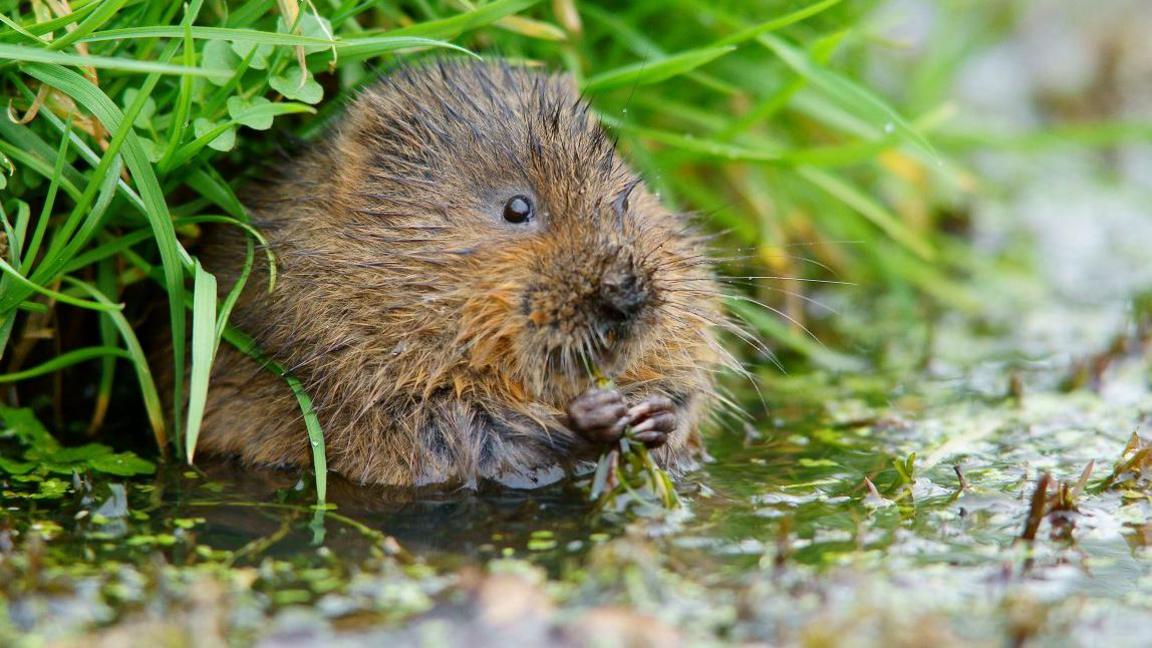
The journey to this success began twelve months ago when the South East Rivers Trust and Citizen Zoo collaborated to release 42 water voles into the Hogsmill, a precious chalk stream in Surrey. This carefully planned reintroduction aimed to reverse decades of decline for a species once common but driven to local extinction. The signs of recovery are now undeniable: fresh droppings, newly excavated burrows, and characteristic chewed vegetation along the riverbanks all testify to the rodents’ successful acclimatisation and expansion within the river system.
The meticulous search for these "squashed poo" signs forms a crucial part of the ongoing monitoring programme. Water voles, scientifically known as Arvicola amphibius, are territorial animals that use scent marking to communicate their presence. Their small, cylindrical droppings are often deposited in prominent locations, known as latrines, along riverbanks. When voles trample on these droppings with their feet, which possess scent glands, they effectively reinforce their territorial claims, creating the "squashed poo" effect that Trevelyan-Ashby and her team now eagerly seek. An active burrow entrance with this specific sign indicates recent activity and a strong, established presence.
The rewilding project operates in close conjunction with another vital conservation initiative led by the Waterlife Recovery Trust, which focuses on eradicating the non-native American mink population from Surrey waterways. Laura Nee, Catchment Officer for the South East Rivers Trust, highlighted the devastating impact of mink, explaining that this invasive species can "predate on about one animal per day." She emphasised, "By removing one mink from the ecosystem, you’re then protecting all those species such as water voles." The American mink (Neovison vison), an agile and opportunistic predator, was introduced to the UK for fur farming and has since become a significant factor in the drastic decline of native water vole populations, pushing them to the brink of extinction in many areas. The simultaneous approach of reintroduction and predator control is therefore paramount to the long-term viability of the water vole population.
The plight of the water vole in the UK has been stark. According to the International Union for Conservation of Nature (IUCN), the nation has lost as much as 90% of its water vole population since the 1970s. This precipitous decline is primarily attributed to two factors: habitat destruction and fragmentation, largely due to urbanisation, agricultural intensification, and river engineering, and the devastating impact of the non-native American mink. For over two decades, the Hogsmill River catchment had been devoid of this charismatic rodent, often affectionately known as "Ratty" from Kenneth Grahame’s classic The Wind in the Willows. The release of the 42 water voles into the Chamber Mead wetlands and the adjacent Upper Hogsmill River in July of the previous year marked a hopeful turning point, signalling the species’ long-awaited return to the county.
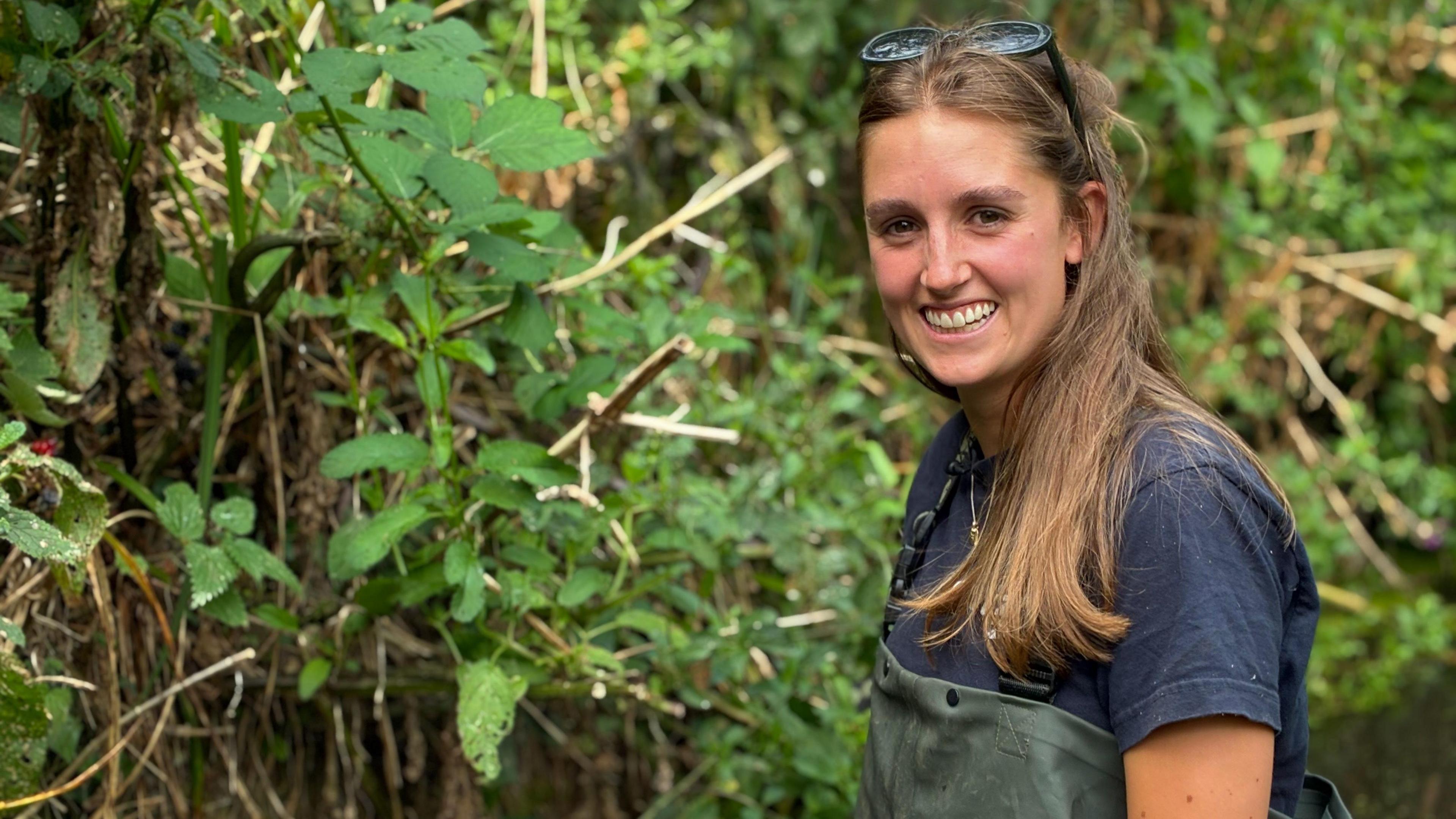
Monitoring the success of such a sensitive reintroduction requires a multi-faceted approach. While Pia Trevelyan-Ashby jokingly admits to spending an "abnormal amount of time looking for poo," this seemingly unconventional method is scientifically robust. Water vole droppings provide a non-invasive and reliable way to assess population density, distribution, and even diet. In addition to scat analysis, Citizen Zoo has deployed camera traps strategically along the riverbanks, capturing invaluable photographic and video evidence of water vole activity without disturbing the animals. "Latrine rafts" – floating platforms designed to attract voles to defecate – are also utilised, offering concentrated areas for collecting droppings and monitoring. Recent surveys have confirmed that the voles have successfully established themselves and dispersed, with signs found both upstream and downstream of the original release site. This expansion is a critical indicator of a healthy, breeding population actively colonising new areas.
The ecological role of water voles extends far beyond their charming appearance. Trevelyan-Ashby explained their importance, stating that water voles "help keep vegetation in good shape" and, as they are "at the bottom of the food chain," they provide sustenance for numerous other species, making them an "essential part" of a "healthy, dynamic ecosystem." By grazing on riverside vegetation, they create pathways and clearings that benefit other aquatic and semi-aquatic species. Their burrowing activities also aerate the soil and create microhabitats along the riverbanks, enhancing biodiversity. The presence of a thriving water vole population is often considered a strong indicator of overall river health, reflecting good water quality, abundant food sources, and suitable riparian habitats.
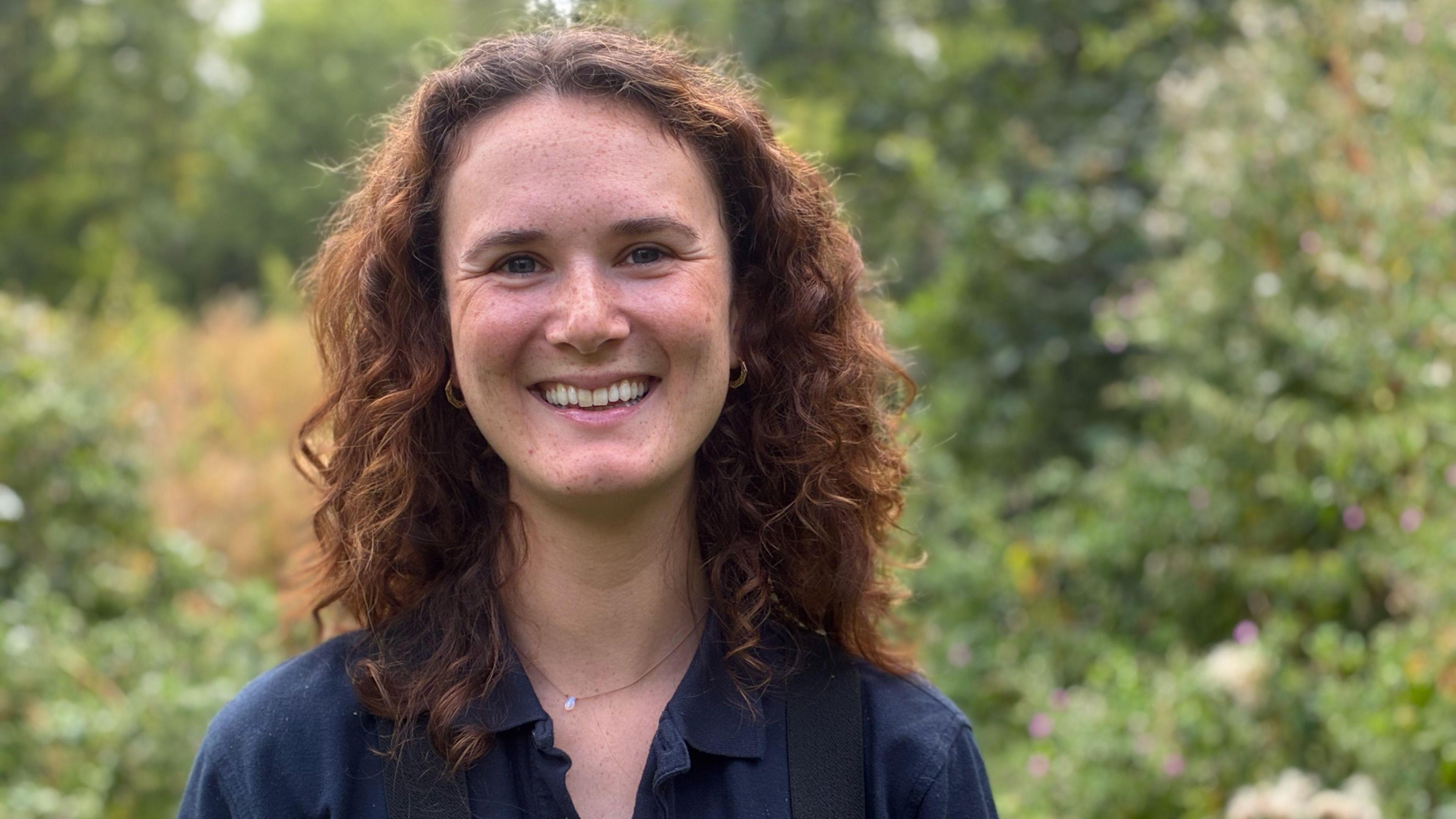
The continued presence of water voles is a tangible sign that the Hogsmill River itself is undergoing a significant ecological recovery. Laura Nee noted, "It shows that we’ve got enough vegetation, we have this more naturalised bank." This refers to the ongoing efforts by the South East Rivers Trust and its partners to restore the river’s natural flow and structure, re-establish native plant species, and manage invasive vegetation. These habitat improvements are crucial for providing the dense cover, abundant food, and stable banks that water voles require for survival and breeding. A healthy river ecosystem supports a complex web of life, and the water vole, once a missing link, is now helping to weave that web back together.
The initial release of 42 voles was a calculated risk, given the high mortality rates often associated with reintroduction projects, especially over winter when populations can drop by as much as 80%. The fact that the Hogsmill population has not only survived but is demonstrably thriving offers immense hope for the future of water voles in Surrey and beyond. While the immediate success is a cause for celebration, the work of conservation is continuous. Ongoing mink control, habitat management, and careful monitoring will be essential to ensure the long-term resilience and expansion of this precious population. The return of "Ratty" to the Hogsmill River is not just a win for a single species, but a powerful testament to the impact of dedicated conservation efforts and a beacon of hope for nature’s recovery in Britain’s urban and rural landscapes alike.



 George Anjay
 Nakalama John
 Ramos Leo