
 Nakalama John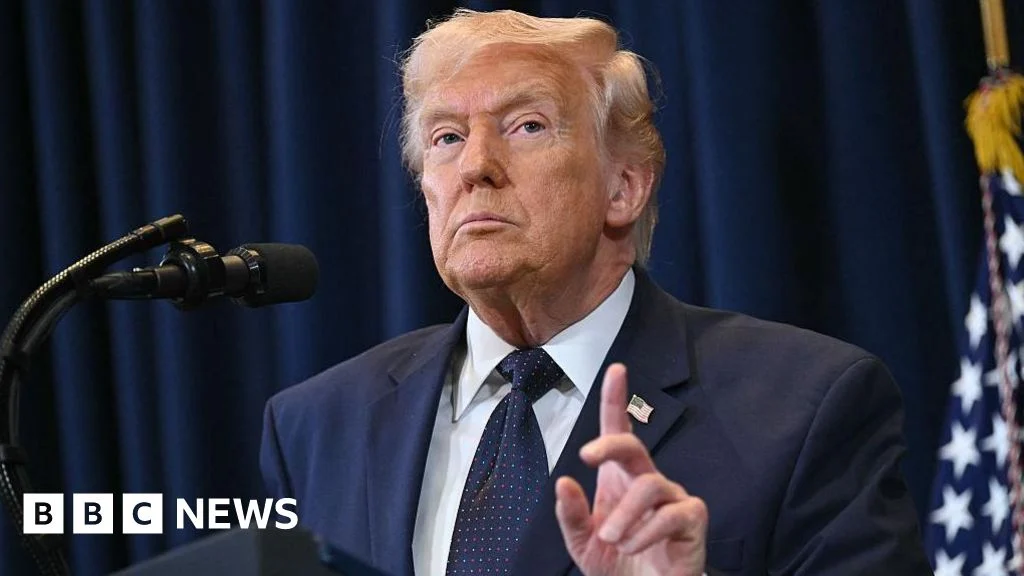
The "Iran war," as referred to by President Trump, has become the dominant preoccupation of his administration’s foreign policy agenda, eclipsing nearly all other international engagements. The conflict, which has seen a dangerous escalation of hostilities in the Persian Gulf region, has directly led to significant disruptions in global oil supplies. These disruptions have, in turn, threatened to send energy prices soaring in the United States, posing a direct economic threat to American consumers and businesses. While specific details of the ongoing hostilities remain under tight wraps from the White House, reports from intelligence agencies and international shipping monitors indicate a series of coordinated attacks on oil tankers and critical infrastructure in key maritime choke points, including the Strait of Hormuz. These incidents, widely attributed to Iranian-backed forces or directly to Tehran in retaliation for crippling US sanctions, have plunged the region into its most perilous state in decades. The Pentagon has confirmed increased US military deployments to the region, including additional naval assets and air defense systems, signaling a readiness to respond decisively to any further provocations.
The prospect of a full-scale military confrontation with Iran carries immense global implications, not only for regional stability but for the world economy. Energy markets have been particularly volatile, with crude oil futures experiencing significant upward swings in response to each new incident. Analysts warn that a sustained conflict could push oil prices to unprecedented levels, triggering a global recession and undermining the fragile post-pandemic economic recovery. For President Trump, the imperative to manage this crisis is multifaceted: protect American personnel and interests in the region, ensure the free flow of international commerce, and prevent a wider conflagration that could draw in US allies and adversaries alike. His decision to prioritize direct oversight reflects the gravity of the situation, where rapid decision-making and continuous engagement with military and diplomatic advisors are deemed essential.
The postponed summit with China was intended to be a landmark event, aimed at resolving the protracted trade war between the two economic giants. For over two years, the United States and China have been locked in a tit-for-tat tariff battle, imposing duties on hundreds of billions of dollars’ worth of each other’s goods. This trade dispute, initiated by the Trump administration to address what it perceived as unfair trade practices, intellectual property theft, and forced technology transfers, has cast a long shadow over global economic growth. The planned summit was widely expected to culminate in the signing of a comprehensive "Phase Two" trade deal, building upon a preliminary agreement reached earlier in the year. That initial "Phase One" deal had addressed some agricultural purchases and intellectual property protections but left many contentious issues unresolved, including structural reforms to China’s economy, industrial subsidies, and the enforcement mechanisms of any agreement.
The stakes for both nations in these trade negotiations are enormous. For the United States, a successful deal would demonstrate President Trump’s ability to deliver on his campaign promises to rebalance trade relations and protect American industries. For China, it would offer a pathway to alleviate the economic pressure of tariffs and stabilize its export-oriented economy, which has shown signs of strain under the trade war’s weight. Beyond economics, the summit was also an opportunity for the leaders to discuss other pressing bilateral and global issues, such as tensions in the South China Sea, human rights concerns in Xinjiang and Hong Kong, and potential cooperation on climate change and nuclear non-proliferation. The delay now leaves these critical discussions in limbo, potentially extending the period of uncertainty for businesses and investors worldwide.
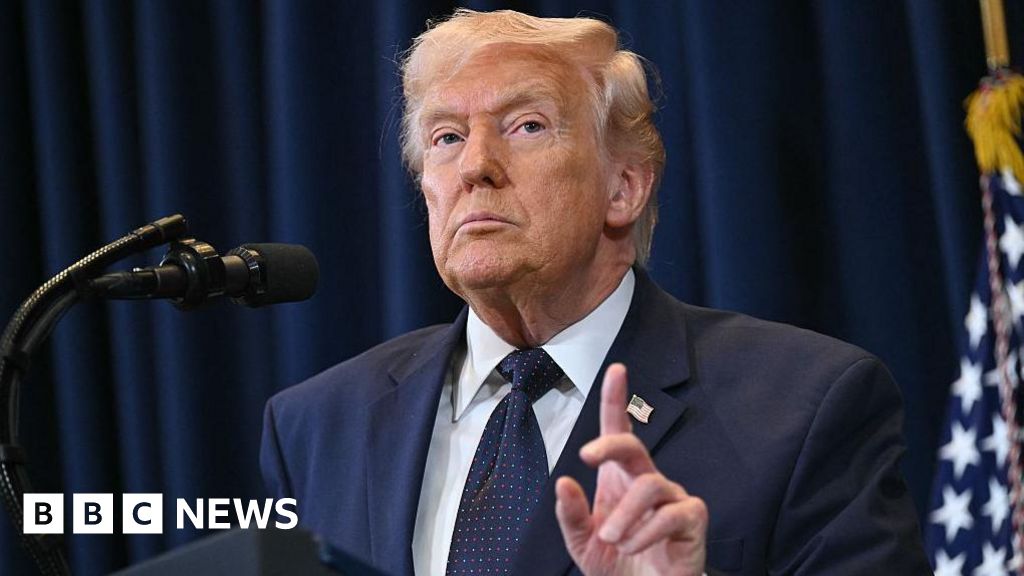
Representatives from the US and China had already been engaged in intense, lower-level negotiations in Paris in recent days, laying the groundwork for the presidential meeting. These discussions, involving Treasury Secretary Steven Mnuchin and Trade Representative Robert Lighthizer from the US side, and Vice Premier Liu He for China, were reportedly making progress on some of the more technical aspects of an agreement, particularly concerning market access and regulatory frameworks. The fact that these working-level talks continued even as the summit faced postponement indicates a mutual desire to keep diplomatic channels open and maintain momentum, despite the unexpected geopolitical distraction. However, the absence of a firm new date for the top-level meeting suggests that the critical decisions, requiring direct presidential input and political will, will remain on hold.
The Chinese embassy in Washington D.C. has been contacted by the BBC for comment regarding the postponement. As of the time of reporting, no official statement has been released from Beijing, though diplomatic sources suggest that China understands the gravity of the situation in the Middle East and the US administration’s need to focus on national security. However, there is likely an underlying frustration within Chinese leadership, given the significant preparations already undertaken for the high-profile visit. The delay could be seen by some in Beijing as a sign of US wavering or a lack of prioritization for the crucial bilateral relationship, potentially complicating future negotiations.
Economists and geopolitical analysts are closely watching the interplay between these two major foreign policy challenges. "The sudden escalation in Iran presents a classic dilemma for any US president: immediate national security crisis versus long-term strategic competition," noted Dr. Evelyn Reed, a senior fellow at the Council on Foreign Relations. "While the China trade deal is vital, an active war that threatens global energy supplies and potentially involves American lives will always take precedence. The risk, however, is that this distraction allows other strategic competitors to gain ground or that the momentum built in trade talks dissipates."
Indeed, the ripple effects of the Iran crisis extend beyond oil prices and immediate security concerns. It could impact global supply chains, divert military resources, and demand intense diplomatic focus from US allies, potentially pulling their attention away from issues like managing China’s growing influence. Furthermore, the crisis might test the resilience of international alliances, as various nations hold differing views on how to de-escalate tensions with Iran. The United States, already facing skepticism from some European partners over its withdrawal from the Iran nuclear deal (JCPOA), will need to build a strong international consensus to manage the crisis effectively.
The decision to delay the China summit is a stark reminder of the unpredictable nature of international relations and the complex challenges confronting the US presidency. President Trump’s administration must now navigate an intense geopolitical crisis in the Middle East while simultaneously striving to secure a transformative economic agreement with China, all against the backdrop of an impending election cycle. The coming weeks will test the administration’s ability to multitask on the global stage, proving whether it can successfully manage an escalating war without completely derailing its other significant foreign policy objectives. The global community watches with bated breath, hoping for de-escalation in the Persian Gulf and a renewed focus on constructive diplomacy between the world’s two largest economies.



 Ramos Leo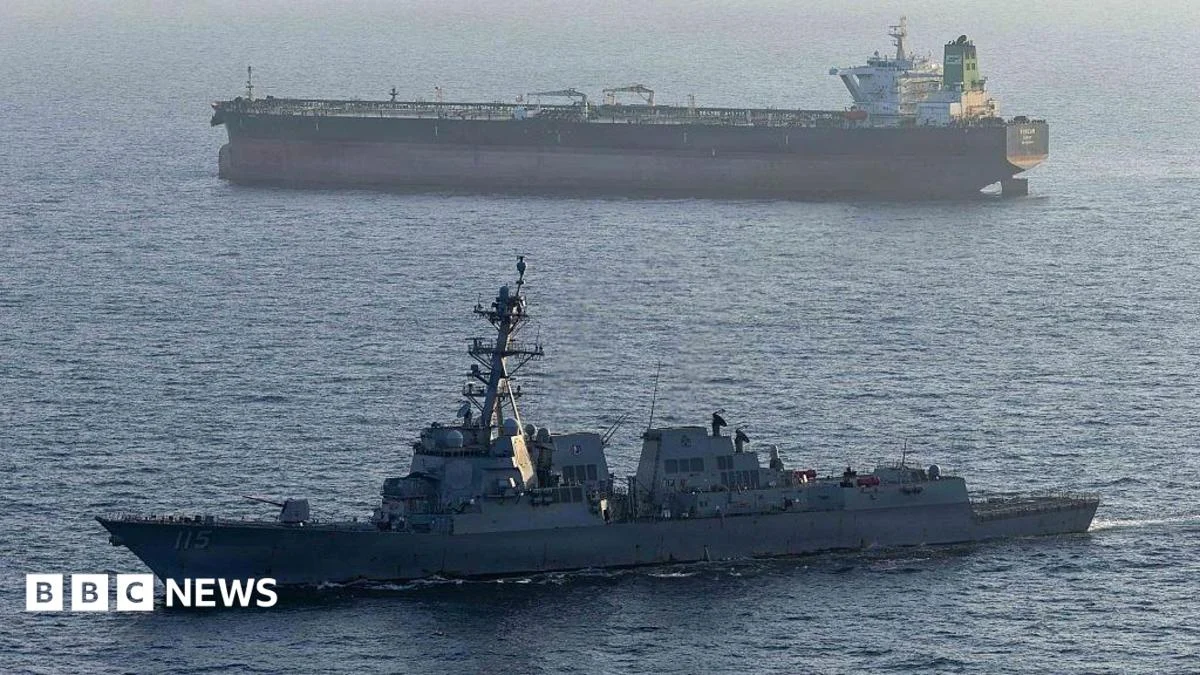
 George Anjay
 Roy Suryo
 atisusanti