Nana Banana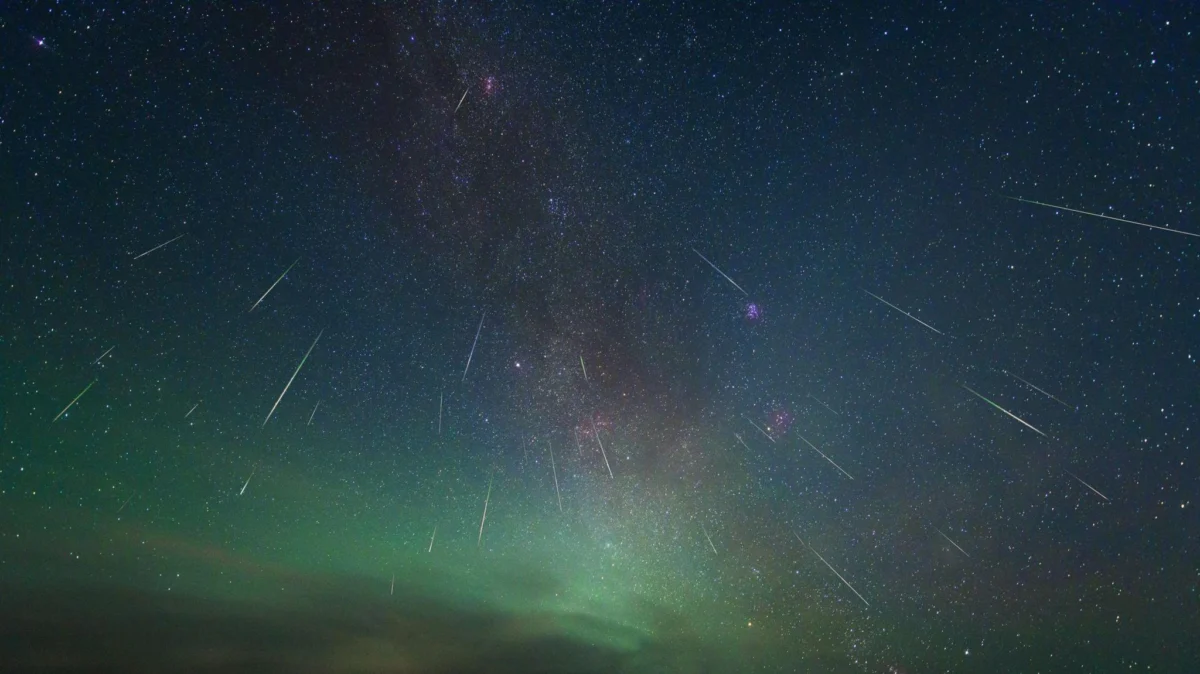
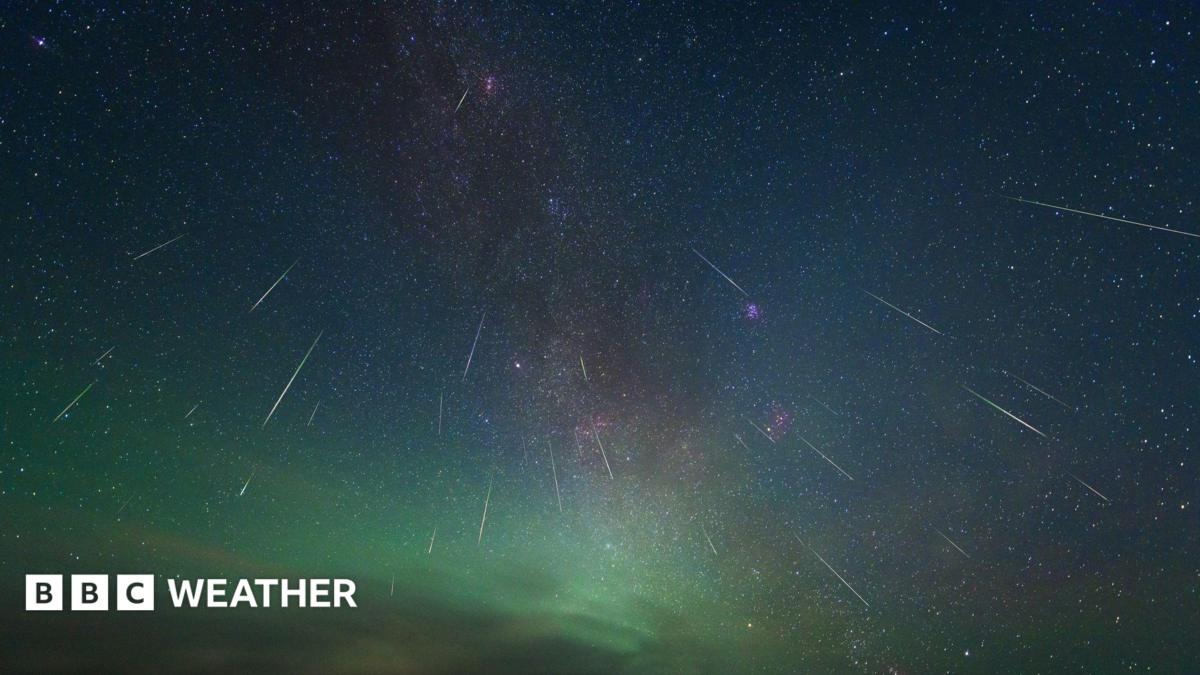
The 2026 Perseid meteor shower promises to be one of the year’s most anticipated celestial events, offering skygazers a dazzling display as Earth plunges through a trail of cosmic debris. Known for its abundance of bright, fast meteors and spectacular fireballs, this annual phenomenon is a highlight for amateur astronomers and casual observers alike. Understanding its origins, peak viewing times, and optimal observing strategies will ensure you make the most of this breathtaking spectacle.
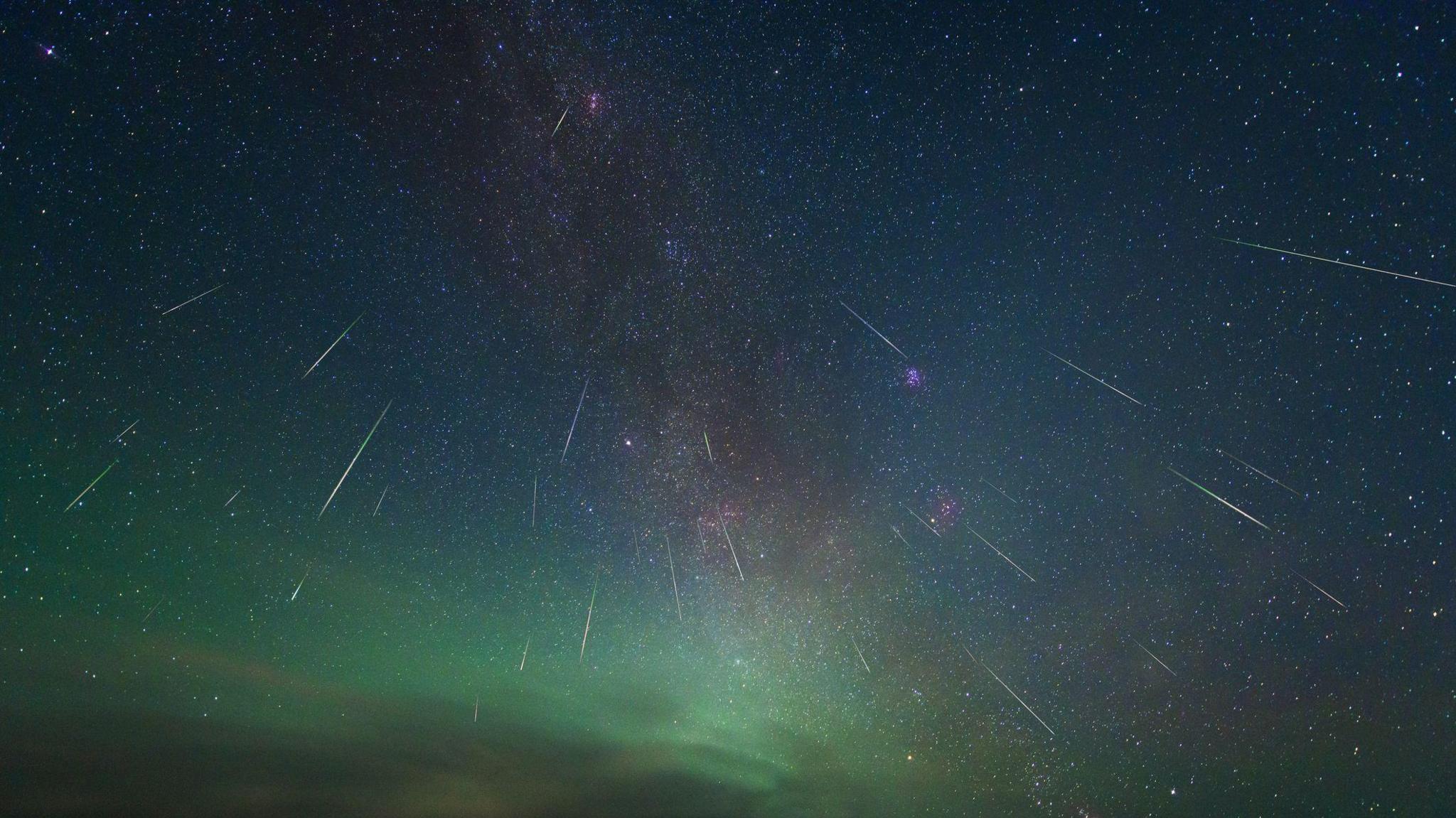
The Perseid meteor shower is a predictable and beloved astronomical event, occurring each year as our planet intersects the orbital path of Comet 109P/Swift-Tuttle. This magnificent comet, a behemoth with a nucleus approximately 26 kilometres (16 miles) across, leaves behind a vast stream of dust and rocky fragments as it journeys through the solar system. When Earth passes through this debris field, these tiny particles – some as small as a grain of sand, others pea-sized or larger – collide with our atmosphere at incredible speeds, often exceeding 210,000 kilometres per hour (130,000 miles per hour). The intense friction caused by these collisions causes the particles to superheat and vaporise, creating the brilliant streaks of light we know as meteors or "shooting stars." The Perseids derive their name from the constellation Perseus, as the meteors appear to radiate from a point within this constellation, known as the radiant. While they seem to originate from Perseus, the meteors are actually streaking across the sky in parallel paths, and it is merely a perspective effect that makes them seem to converge at a single point.
For the 2026 iteration, the Perseid meteor shower is active over an extended period, typically beginning around July 17th and concluding by August 24th. However, the most spectacular viewing opportunities will present themselves during the shower’s peak. Based on historical data and orbital mechanics, the 2026 Perseid peak is expected to occur overnight from August 12th into the early morning hours of August 13th. During this peak period, under ideal dark-sky conditions, observers can anticipate seeing anywhere from 60 to 100 meteors per hour. The Perseids are particularly renowned for their high percentage of bright meteors and even occasional "fireballs" – exceptionally luminous meteors that can cast shadows and often leave persistent trails visible for several seconds. These are caused by larger fragments of cometary debris.
A crucial factor determining the visibility of any meteor shower is the phase of the Moon. Unlike some years where the Perseid peak aligns perfectly with a new moon, offering truly dark skies, the 2026 Perseid peak will experience a different lunar scenario. The Full Moon in August 2026 falls on August 7th, meaning that by the peak nights of August 12th-13th, the Moon will be in a waning gibbous phase, appearing quite bright and present in the late night and early morning sky. This will undoubtedly impact viewing conditions, especially for fainter meteors. While the brightest Perseids will still be visible, the moonlight will wash out many of the less intense streaks. To mitigate this, observers should aim to watch during the hours immediately after moonset (if it sets before dawn) or focus their gaze away from the Moon’s glare. Alternatively, catching the shower in the earlier parts of the night before the Moon rises too high, or waiting until the Moon sets, will offer darker skies for a portion of the peak viewing window. Checking a local moonrise/moonset calculator closer to the date will be essential for planning your observing session.
To maximise your chances of witnessing this celestial display, preparation is key. First and foremost, seek out a location far removed from urban light pollution. City lights create "sky glow" that scatters light and effectively hides fainter meteors. Rural areas, national parks, and designated dark-sky preserves offer the best conditions. The darker your surroundings, the more meteors you’ll be able to spot. Once you’ve found your ideal spot, give your eyes at least 15 to 30 minutes to fully adapt to the darkness. During this time, avoid looking at any bright lights, including phone screens (using a red-light filter app or a red-light headlamp is highly recommended if you need to check a star chart or move around).
Comfort is also paramount for an enjoyable viewing experience. Bring a reclining chair or a blanket to lie on the ground, allowing you to gaze upwards without straining your neck. Even in August, nights can get chilly, so pack warm layers, a blanket, and perhaps a thermos of a hot drink. You don’t need any special equipment like binoculars or telescopes; in fact, these can hinder your viewing by narrowing your field of vision. The Perseids appear across the entire sky, and your naked eye provides the widest possible view to catch them. While the meteors appear to originate from the constellation Perseus, you don’t need to stare directly at it. Instead, look slightly away from the radiant, towards the darker parts of the sky, as this is where meteors with longer, more dramatic tails will be most noticeable.
Beyond the spectacle, the Perseids offer a fascinating glimpse into our solar system’s history. Comet Swift-Tuttle, responsible for these meteors, has an orbital period of approximately 133 years. Its last close approach to Earth was in 1992, and it won’t return until 2126. Each year, Earth encounters the debris shed by this comet on its numerous passes. The particles we see as meteors today were likely ejected from Swift-Tuttle hundreds or even thousands of years ago, travelling through the vacuum of space before their fiery demise in our atmosphere. This connection to a specific comet gives the Perseids a unique scientific significance, allowing astronomers to study the composition of cometary material indirectly. The "fireball" characteristic of the Perseids is due to the comet’s relatively large size and the substantial amount of debris it sheds, including larger fragments that create those exceptionally bright streaks.
Historically, meteor showers have captured human imagination for millennia. The Perseids are sometimes referred to as the "Tears of St. Lawrence," a connection to the Christian feast day of Saint Lawrence on August 10th, which falls close to the shower’s peak. This cultural association highlights how these celestial events have been woven into human narratives and traditions across different civilisations.
For those interested in astrophotography, the Perseids offer excellent opportunities. A sturdy tripod, a wide-angle lens, and a camera capable of long exposures at high ISO settings are essential. Focus your lens to infinity, set your aperture wide open (low f-number), and experiment with exposure times ranging from 15 to 30 seconds. Point your camera towards the darkest part of the sky, slightly away from the radiant, to capture meteors as they streak across the frame. Multiple exposures can later be stacked to create stunning composite images showcasing numerous meteors. Remember to account for the presence of the waning gibbous moon in 2026, which will require careful exposure management or shooting during periods when the moon is lower or obscured.
Regarding weather conditions, predicting the exact forecast for August 2026 is impossible, but general advice applies. Clear skies are paramount for meteor shower viewing. A few clouds can obscure large portions of the sky, making it difficult to spot meteors. Keep an eye on long-range weather forecasts closer to the peak dates. Websites and apps like BBC Weather online (or your local meteorological service) will provide the most up-to-date information. If your primary viewing night is cloudy, remember that the shower is active for several nights around the peak, so you might still catch a good display on the nights immediately before or after August 12th-13th, though with fewer meteors.
In conclusion, the 2026 Perseid meteor shower offers an unparalleled opportunity to connect with the cosmos. Despite the challenge posed by the waning gibbous moon during its peak, careful planning and choosing a dark location will still allow for a memorable experience. So, mark your calendars for August 12th-13th, 2026, find your darkest spot, bundle up, and prepare to be amazed by the "shooting stars" that grace our summer skies. It’s a reminder of the dynamic and beautiful universe we inhabit, visible to anyone willing to look up.



 Roy Suryo