
 Nana Banana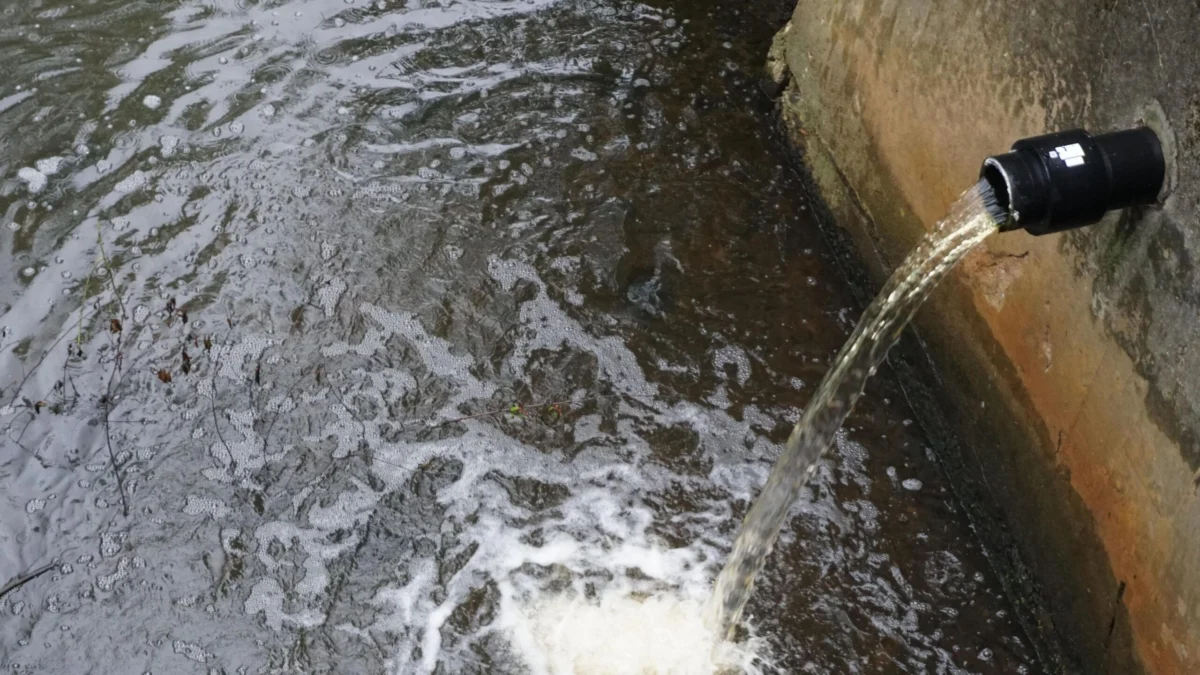
Bathing water quality is a complex issue influenced by a multitude of factors. While sewage spills frequently grab headlines, they are not the sole contributors to potential pollution. Heavy rainfall can lead to agricultural run-off, washing pesticides, fertilisers, and animal waste from farms into rivers and eventually the sea. Urban pollution, stemming from misconnected drains, road run-off containing oil and chemicals, and general litter, also plays a significant role. Even natural wildlife can contribute to bacterial levels. All these elements can elevate bacteria concentrations in the water, posing potential health risks to swimmers. It’s important to note that a reported sewage spill doesn’t automatically equate to immediate poor bathing water quality, just as the absence of an alert doesn’t guarantee pristine conditions. The dynamic nature of coastal environments means conditions can change rapidly.

Devon and Cornwall are home to a disproportionately large number of England’s designated bathing waters, accounting for over a third of the national total. This includes iconic stretches of coastline such as Sennen Cove and Porthcurno on Cornwall’s rugged west coast, the famous surfing beach of Fistral on the north coast, Bigbury-on-Sea in south Devon, and the popular Croyde Bay in north Devon. Given the region’s reliance on tourism and its strong connection to marine activities, the quality of its bathing waters is of paramount importance.
The primary official body responsible for monitoring and classifying bathing waters is the Environment Agency (EA). During the official bathing water season, which typically runs from 15 May to the end of September, the EA conducts weekly sampling at designated sites. Water samples are meticulously collected and analysed in laboratories for elevated levels of two key indicator bacteria: E. Coli and intestinal enterococci. These bacteria are commonly found in human and animal waste and, if present at high levels, can cause a range of unpleasant symptoms, including sickness, stomach cramps, vomiting, diarrhoea, and even skin or ear infections, particularly for children or individuals with compromised immune systems.

Based on the cumulative data from a rolling four-year period, the Environment Agency assigns each designated bathing water one of four classifications: "Excellent," "Good," "Sufficient," or "Poor." An "Excellent" rating indicates the highest water quality, while "Poor" signifies that bathing is not advised due to persistent pollution. The EA states that this long-term assessment helps to build a detailed and accurate profile of a site, guiding the public’s choice of where to swim. However, this system has faced criticism. Campaign groups like Cornwall-based Surfers Against Sewage (SAS) argue that the system is "not fit for purpose" because the testing is seasonal and based on historic data, failing to provide real-time information about daily conditions or pollution events that occur outside the official season. Many people use beaches year-round, and short-term pollution incidents, such as those caused by storm overflows, may not be fully captured by these annual classifications. The official ratings are publicly accessible via the Environment Agency’s Swimfo website.
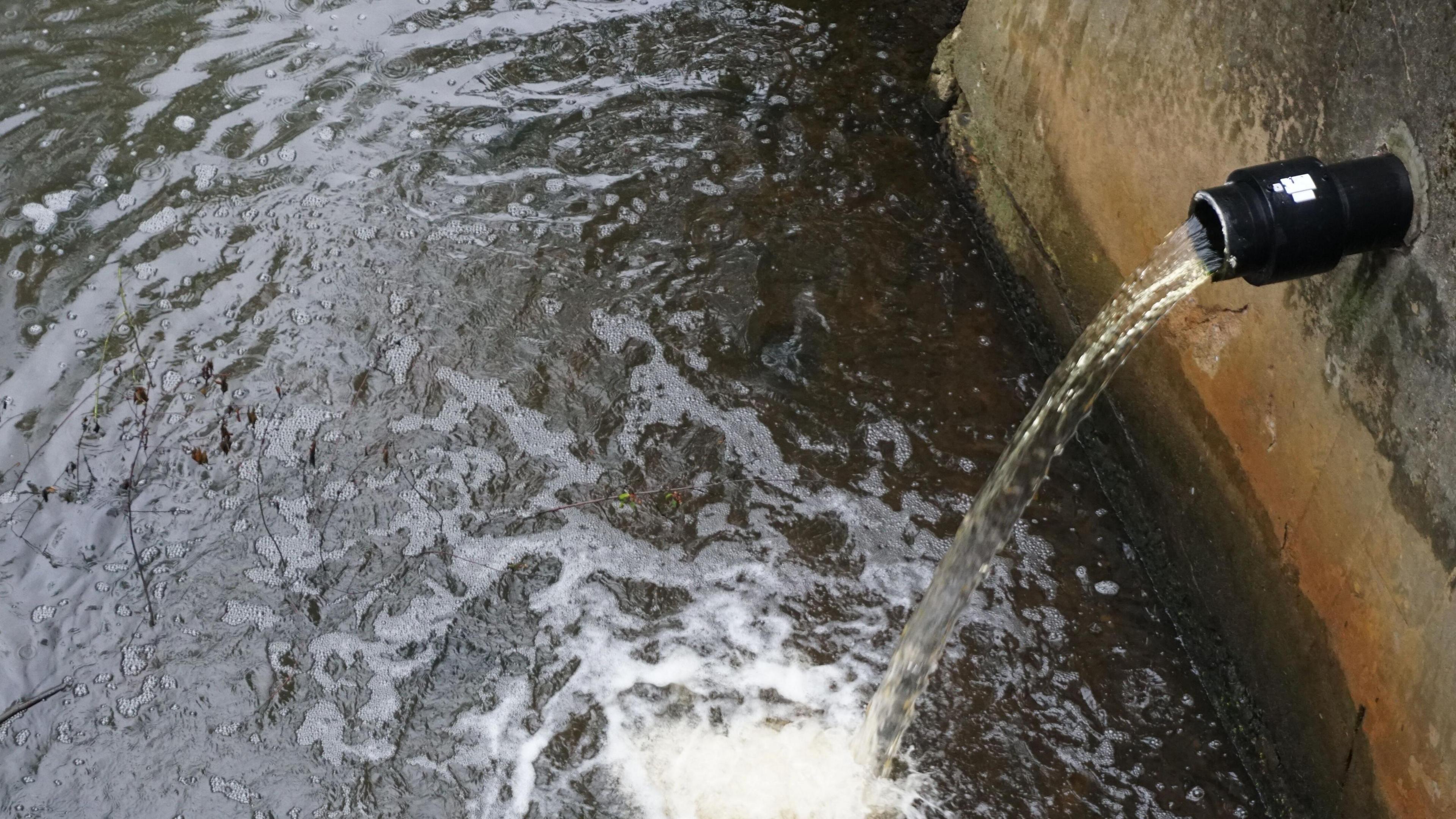
For more immediate and dynamic information, a new wave of digital tools has emerged. Surfers Against Sewage (SAS) has developed a highly popular app and online platform, Sewage Alert Service, which provides near real-time alerts when bathing water quality could be compromised by pollution, including sewage spills. The information integrated into the SAS app comes from various sources, including voluntarily provided data from water companies in England and Wales, utilising sensors that detect when a Combined Sewer Overflow (CSO) operates. A CSO is a discharge point that releases untreated or partially treated sewage and stormwater into rivers or the sea during periods of heavy rainfall, preventing the sewage system from backing up into homes and streets. The SAS app keeps an alert live for a precautionary 48 hours post-discharge, acknowledging that the actual impact duration can vary and prioritising the safety of water users. Beyond pollution alerts, the app offers valuable features such as tide information, a health reporting function for users to log illnesses, and a live map visually depicting active overflow discharges. This citizen science approach empowers individuals with timely, actionable data.

Water companies are also providing their own transparency tools. South West Water, for instance, operates "WaterFit Live," an online platform designed to help people make informed decisions before entering the water. This platform displays alerts related to bathing water quality and sewage spills. On WaterFit Live, an alert indicating potential bathing water quality impact remains visible for 12 hours and 30 minutes after a spill concludes. Additionally, a separate storm overflow map shows storm overflows in "near real time," with these events remaining visible for 24 hours after they cease. South West Water clarifies that its storm overflow map merely reports whether an overflow is operating and does not directly assess bathing water quality risk, which is determined separately at the beach level using a methodology published on the WaterFit Live website. It’s crucial for swimmers to consult multiple sources and understand the nuances of each to get the most comprehensive picture.
Beyond direct water quality measurements, accreditations and flag systems offer additional guidance. The internationally recognised Blue Flag scheme is a prestigious award that assesses beaches against stringent criteria. These criteria extend far beyond just water quality, encompassing environmental management, safety and services (such as lifeguards and first aid), accessibility, and environmental education. To achieve Blue Flag status, a beach must consistently demonstrate "excellent" bathing water quality, as rated by the Environment Agency. In Devon and Cornwall, several beaches proudly fly the Blue Flag, including Carbis Bay, Summerleaze, and Polzeath in Cornwall, as well as Exmouth, Sidmouth, and Blackpool Sands in Devon. The presence of a Blue Flag signifies a commitment to high environmental and safety standards, offering bathers peace of mind.
Unrelated to the Blue Flag scheme, various safety flags are flown at beaches. Of particular relevance to water quality are red flags. These are sometimes flown at designated bathing waters following a short-term pollution incident, warning the public not to swim until water quality is deemed safe again. Lifeguards or local authorities typically make the decision to hoist a red flag in response to immediate risks. Other flags, such as red and yellow flags, indicate lifeguard patrolled areas and safe swimming zones, while black and white flags often delineate surfing areas. Understanding these flags is an essential part of beach safety.
A burgeoning movement of community groups across the South West is stepping in to supplement official monitoring by conducting their own water quality testing at local beaches, rivers, and waterways. Groups like the Friends of the River Teign exemplify this citizen science approach. Equipped with real-time testing kits, volunteers collect samples and analyse them for key pollution indicators, often providing more frequent and localised data than official bodies. Carolyn Sargentson of the Friends of the River Teign noted that their testing aims to build a publicly accessible dataset, strengthening their campaign for cleaner water. These initiatives are vital in filling data gaps, especially outside the bathing season or at undesignated sites, and foster a strong sense of local stewardship and advocacy for environmental protection.

In response to public pressure and growing concerns, the Department for Environment, Food and Rural Affairs (Defra) has affirmed its commitment to tackling water pollution. A spokesperson for Defra outlined several measures, including a ban on unfair bonuses for water company bosses, making it unlawful to conceal illegal spills, and introducing a new, more stringent regulator. Furthermore, the government plans to implement no-notice inspections and "MOT-style" checks on water firms to ensure compliance. Crucially, bathing water regulations are undergoing their first upgrade in over a decade, which could lead to stricter standards, expanded monitoring, and potentially a longer bathing season or the designation of more sites. While these steps are welcomed, the challenge remains substantial, involving ageing infrastructure, the increasing impact of climate change on rainfall patterns, and the need for sustained investment. Ultimately, by combining official ratings, real-time alerts from apps, the assurance of accreditations, and the dedicated efforts of community groups, individuals can empower themselves to make the most informed choices about where and when to enjoy the beautiful coastal waters of Devon and Cornwall.




 George Anjay
 Nakalama John
 atisusanti
 Ramos Leo
 Roy Suryo