
 Roy Suryo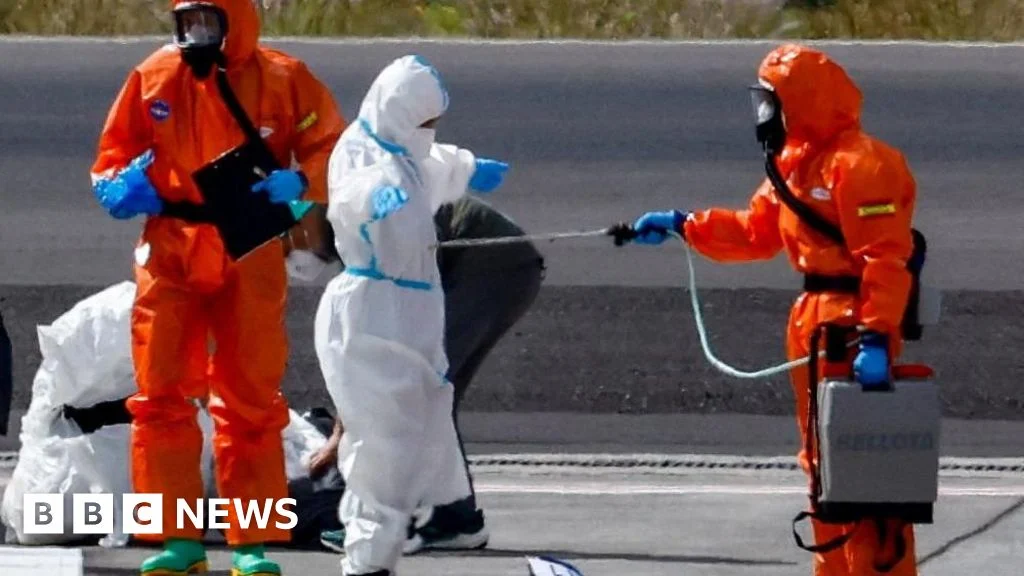
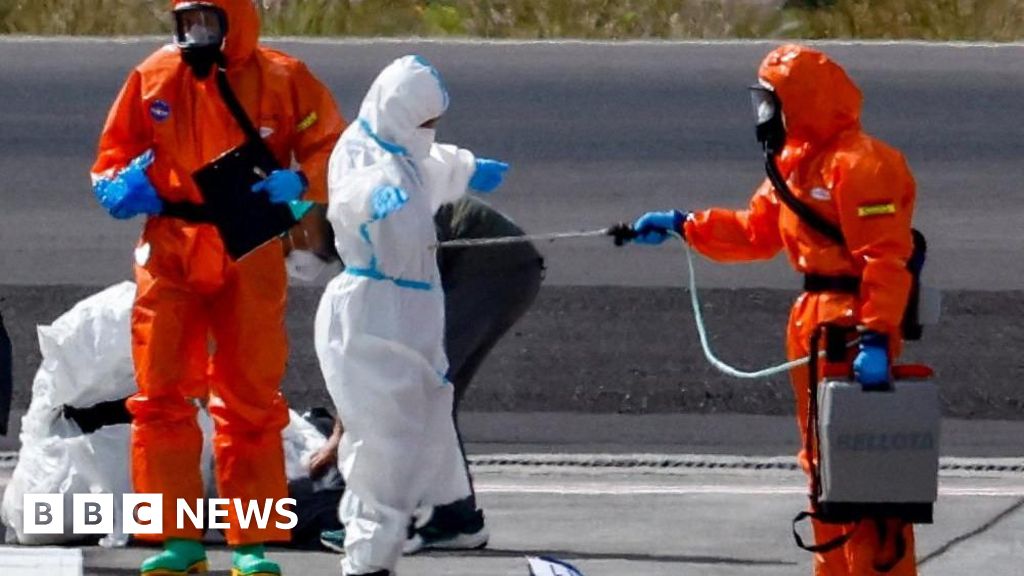
Passengers evacuated from the cruise ship MV Hondius, which has been struck by a hantavirus outbreak, have been flown to their home countries to undergo isolation and receive necessary medical treatment. This extensive operation aims to contain the virus and prevent further spread, with health authorities emphasizing that the risk to the general public remains exceptionally low. The situation underscores the importance of preparedness and swift action in managing potential public health threats, even those that are not pandemics.
The cruise ship MV Hondius became the focal point of a hantavirus outbreak, leading to the evacuation and isolation of its passengers. The vessel, known for its expeditions to remote wildlife areas, had a number of passengers fall ill, with several testing positive for the Andes strain of hantavirus. Tragically, three passengers have died, two of whom have been confirmed to have contracted the virus. This has prompted a significant public health response, involving international collaboration to trace contacts, isolate individuals, and provide medical care.
Dr. Maria Van Kerkhove from the World Health Organization (WHO) has been vocal in reassuring the public, stating emphatically, "This is not Covid, this is not influenza, it spreads very, very differently." This distinction is crucial. Unlike highly contagious airborne viruses like measles or influenza, the Andes strain of hantavirus does not spread easily from person to person. While human-to-human transmission is possible, it typically requires very close and prolonged physical contact. The WHO maintains that the risk of widespread global infection remains low, a sentiment echoed by national health agencies.
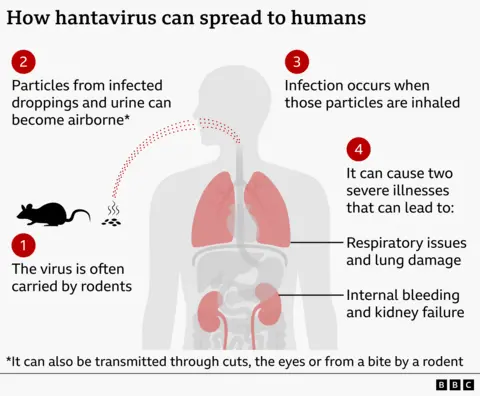
As of the latest updates, nine cases have been identified among individuals who were on the MV Hondius, with seven confirmed by laboratory tests. The exact origin of this particular outbreak remains under investigation. However, hantaviruses are primarily zoonotic, meaning they are transmitted from animals to humans, most commonly through rodents. Infection typically occurs when people inhale air contaminated with virus particles found in rodent urine, droppings, or saliva. Given the cruise’s itinerary through remote wildlife locations, it’s plausible that a passenger contracted the virus through environmental exposure before or during the voyage.
Experts are particularly focused on the Andes strain of hantavirus due to its documented ability to spread between humans in previous outbreaks. This transmission usually occurs through close contact, such as sharing living quarters or prolonged face-to-face interactions. The confined environment of a cruise ship, where passengers share cabins and dining areas, can facilitate such close contact, making it a potential setting for human-to-human transmission. Health authorities believe this mode of transmission likely played a role in the infections on board the MV Hondius.
The isolation period for crew and passengers is extensive, extending to over a month. This precautionary measure is designed to account for the virus’s incubation period, which can range from two to four weeks after exposure, but can sometimes extend to over a month. Symptoms of hantavirus infection can mimic those of the flu, including fever, fatigue, and muscle aches. More severe symptoms can include shortness of breath, leading to Hantavirus Pulmonary Syndrome (HPS), as well as gastrointestinal issues like nausea, vomiting, and diarrhea. While there is no specific antiviral treatment for hantavirus, prompt medical intervention and supportive care in a hospital setting can significantly improve survival rates by managing the symptoms.
The complex logistical challenge of evacuating and tracing contacts has been described as a "mammoth effort" by Professor Robin May, chief scientific officer at the UK Health Security Agency (UKHSA). Contact tracing is a critical component of managing such an outbreak, involving identifying and monitoring individuals who may have been exposed, whether on the ship, in hospitals, or on any connecting flights. This painstaking work is ongoing and will continue for an extended period.
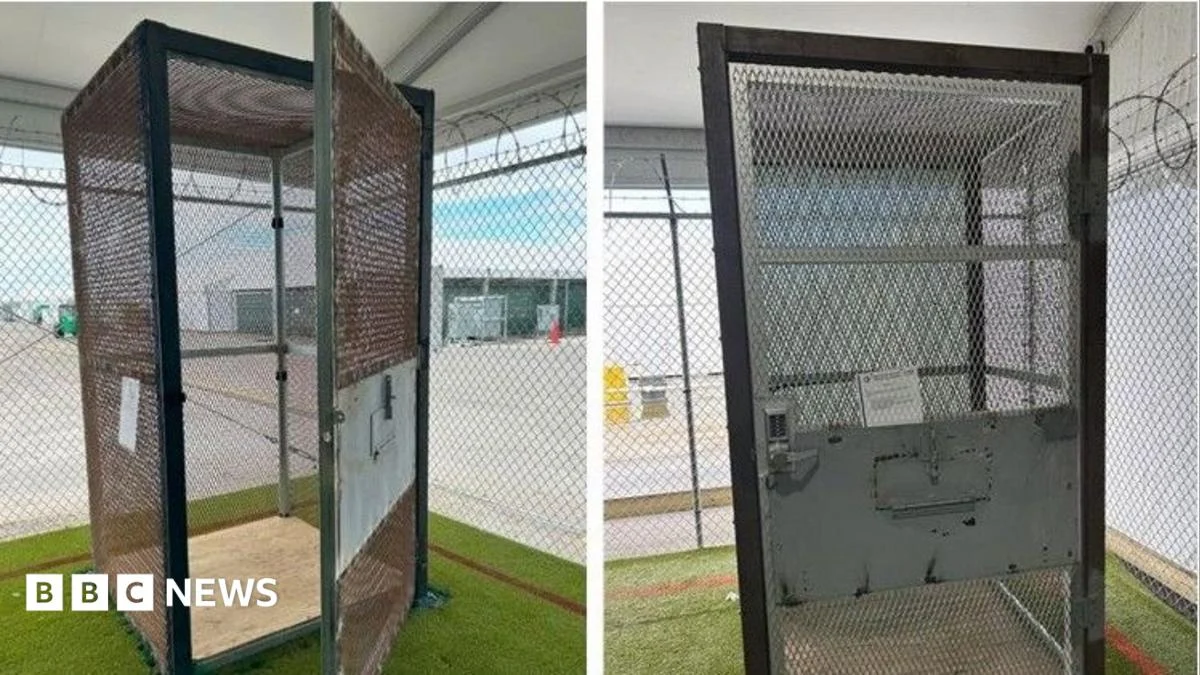
Passengers returning to various countries are undergoing mandatory quarantine and self-isolation protocols. For instance, fourteen Spanish nationals are in quarantine at a military hospital in Madrid, and twenty Britons are isolating at Arrowe Park Hospital in Merseyside, following their chartered flight’s landing in Manchester. They will remain at the hospital for an initial 72-hour period before being instructed to self-isolate at home for an additional 42 days. Professor May emphasized that all British evacuees were healthy and asymptomatic upon arrival, reinforcing the precautionary nature of these measures. He also noted that the isolation period might be subject to revision based on evolving scientific understanding of the virus.
Internationally, the response has been coordinated. A woman in Paris is isolating with deteriorating health, and her 22 contacts have been traced. Two British nationals with confirmed cases are receiving treatment in the Netherlands and South Africa. A Spaniard in Madrid, who provisionally tested positive, is also under quarantine. In the United States, one American passenger has developed mild symptoms, and another has tested mildly positive for the Andes strain. These passengers were placed in biocontainment units on their flights as an abundance of caution.
It is crucial to understand that hantavirus is not spread through casual everyday contact in public spaces like shops, workplaces, or schools. The UKHSA clarifies that transmission is generally limited to direct contact with infected rodents or their waste, or through close human-to-human contact in the case of specific strains like the Andes virus. The ongoing efforts to manage this outbreak are a testament to global health cooperation and the meticulous application of public health principles to protect populations from infectious diseases, even those that do not pose a pandemic threat. The focus remains on isolating infected individuals, tracing their contacts, and providing appropriate medical care, thereby mitigating the risk of wider dissemination.



 George Anjay
 Nakalama John
 atisusanti
 Ramos Leo
 Nana Banana