
 Roy Suryo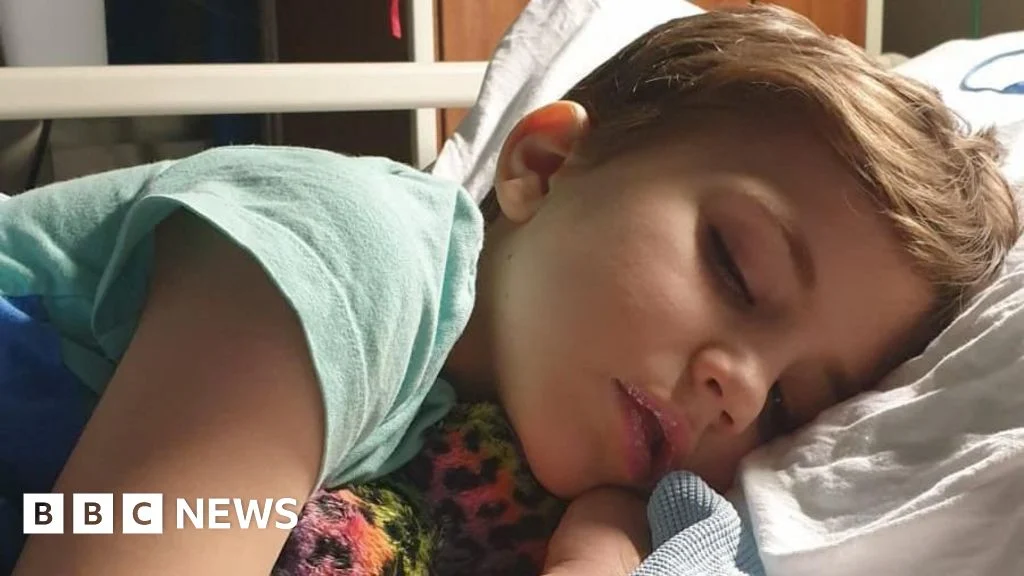
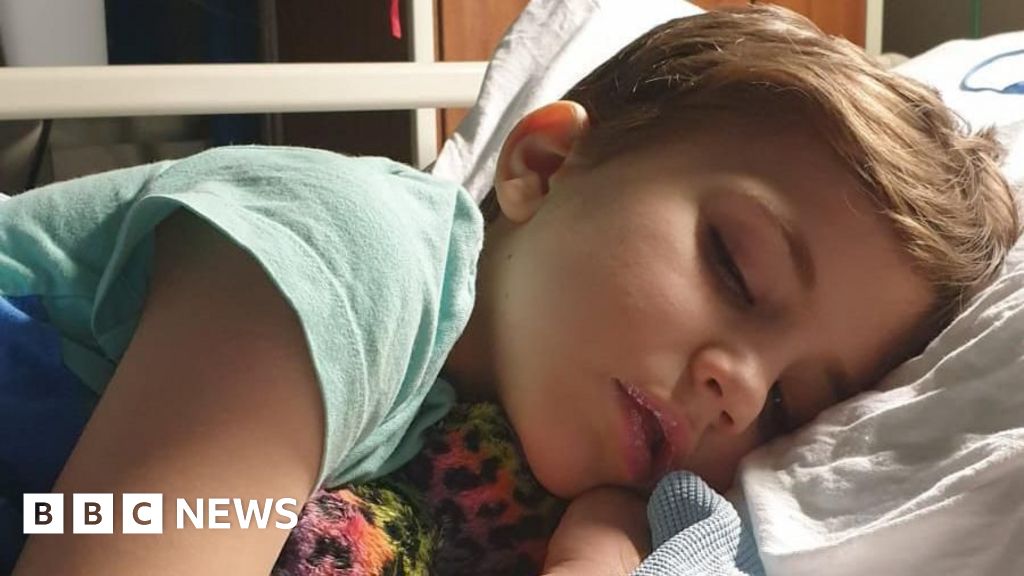
When seven-year-old Roo suddenly became unwell last year, exhibiting alarming symptoms such as rapid weight loss and an insatiable thirst, his medical team and devoted parents harboured the gravest fears, suspecting a sinister brain tumour. However, a series of exhaustive investigations ultimately revealed a far more unexpected and devastating truth: Roo had been the victim of an accidental poisoning, a consequence of an overdose of vitamin D that had been prescribed to alleviate his growing pains.
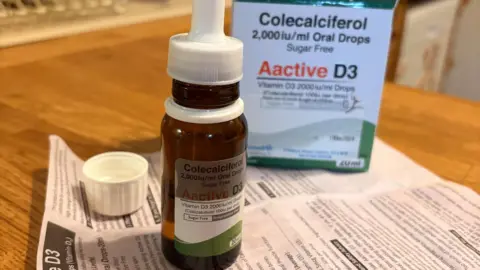
The culprit was identified as a bottle of vitamin D3 drops, manufactured by TriOn Pharma, which were found to be approximately seven times more concentrated than the prescribed dosage. This potent, erroneous formulation was part of one of two compromised batches that had been tragically distributed across the United Kingdom. The sheer toxicity of this overdose inflicted acute kidney injury upon Roo, a condition so severe that a leading medical expert has stated unequivocally that the young child would have succumbed to the effects had he completed the prescribed course of treatment.
Vitamin D, a crucial nutrient, plays a vital role in regulating calcium and phosphate levels, essential for the development and maintenance of strong bones, healthy teeth, and robust muscles. It is a common over-the-counter supplement, widely taken by millions of adults for its beneficial health properties. However, higher-dosage vitamin D, when prescribed by medical professionals, is still categorized as a food supplement. This classification means it falls under the purview of the Food Standards Agency (FSA) for monitoring, rather than the Medicines and Healthcare products Regulatory Agency (MHRA), which oversees the regulation of pharmaceutical drugs. While the MHRA stated it collaborates with the FSA to ensure public safety, a prominent expert has urged the medicines watchdog to reconsider the regulatory framework for vitamin supplements, highlighting the potential for catastrophic consequences when these products are inadequately controlled.

Roo’s ordeal began in December 2024 when he was prescribed a high-dose course of vitamin D3 drops, intended to be taken over 12 weeks to alleviate intense leg pain. This prescription followed his referral to paediatricians at Crosshouse Hospital near his home in Kilmarnock, Ayrshire. Initial blood tests had indicated that Roo was otherwise healthy, save for a slightly suboptimal level of vitamin D. The prescribed supplements, containing vitamin D3 (also known as cholecalciferol), were intended to rectify this deficiency and elevate his blood levels.
In the weeks that followed, a disturbing transformation began to unfold. Roo became increasingly lethargic, his appetite waned, and he started to consume water at an astonishing rate, described by his mother, Carys Hobbs-Sargeant, as if he were "in a desert." The situation escalated as Roo began to experience persistent vomiting throughout January, making it increasingly difficult for him to eat. "He was really sick," Carys recounted, her voice heavy with the memory. "He lost more than 10% of his body weight over that six weeks. He had these huge, baggy eyes and he was so tired and he just couldn’t eat."

When Roo next saw the paediatrician, his condition had deteriorated so significantly that he was admitted to the hospital immediately. Preliminary blood tests revealed an acute kidney injury, and his kidneys were severely dehydrated. The medical team embarked on a desperate search for the underlying cause, initially not suspecting the vitamin D prescription, as Roo was only two-thirds of the way through the recommended course. However, his condition continued its alarming decline. "He became hypercalcaemic, and they were very concerned that his calcium was so high in his blood," his mother explained, her voice trembling. "They were looking at whether it was a brain tumour, and we were sort of gearing up for him to have an MRI of his brain."
Roo’s perplexing case was also under review by specialist teams at Glasgow’s Royal Hospital for Children. The critical breakthrough came through a chance telephone conversation between an endocrinologist at the hospital and a colleague in Manchester. The colleague inquired whether they had encountered any cases related to a "bad batch" of vitamin D3. Armed with details of the suspected compromised batch, Roo’s medical team was able to cross-reference this information with the very bottle of drops Roo was still using. "We flipped from it was his body doing something weird to he’s essentially been poisoned by this bad batch," Carys revealed. "You felt relieved and lucky and angry all at the same time that it wasn’t cancer, but it was something that had happened to him. It’s poisoning, essentially."

The investigation confirmed that Roo’s bottle of drops was indeed from one of the two faulty batches of Aactive D3 supplements produced by TriOn Pharma, which had been distributed nationwide. The concentration of vitamin D3 in these drops was found to be seven times the safe and effective level. While the faulty batches were officially recalled by the Food Standards Agency (FSA) on January 9th, 2025, Food Standards Scotland (FSS), responsible for the recall in Scotland, reported that the alert failed to reach the appropriate departments. Further compounding the issue, the Ayrshire pharmacy that dispensed the drops did not receive the manufacturer’s recall email until nearly three months after its initial issuance. A crucial distinction was highlighted: a medicine alert from the MHRA would have been directed to a pharmacy’s high-priority clinical inbox, requiring immediate attention.
Professor Stuart Ralston, a former chair of the MHRA’s Commission on Human Medicines and a distinguished figure at the University of Edinburgh, commented on Roo’s harrowing experience, emphasizing the urgent need for the MHRA to assume regulatory oversight of vitamin supplements. "The product was estimated to have seven times the amount of vitamin D that he should have had," he stated, expressing his astonishment. "I have not come across that in a career of over 40 years. He was meant to have a 12-week course. If he’d done that it would be 3.5 million units and luckily he did not, because if he had, he’d have died undoubtedly." Professor Ralston posited that if the supplement had been regulated as a medicine, Roo’s GP would likely have received an immediate and critical alert, potentially averting the crisis.
The MHRA reiterated that the regulation of dietary supplements falls under the remit of the FSA, and they affirmed their collaborative efforts to safeguard public health. Food Standards Scotland maintained that they work in close partnership with the FSA and local authorities to ensure the effective communication of product recalls. The Scottish government informed Carys that the complexities surrounding the regulation of supplements and the communication of recalls had been escalated to the UK Department of Health and Social Care for consideration.
Tragically, Roo’s case was not an isolated incident. A month prior to Roo commencing his vitamin D3 regimen, Kayan Khan, a 13-year-old boy from Sheffield, was also prescribed the same brand of supplements. Kayan, who already contended with several complex medical conditions including chronic kidney disease, was given an eight-week course of vitamin D by his GP, a dosage aligned with standard recommendations. In February 2025, Kayan was admitted to hospital in Sheffield exhibiting critically high calcium levels and significantly reduced kidney function. A letter from Sheffield Children’s NHS Foundation Trust to Kayan’s mother, Alaina, detailed the challenges faced by doctors in managing his calcium levels, attributing the "vitamin D intoxication" to levels "far above expectation for standard supplementation." Alaina had not retained the bottle of his vitamin drops, preventing definitive batch identification, but the letter concluded that the "logical explanation" for his toxic levels was an elevated intake of vitamin D. Crucially, Alaina, like Carys, had not been informed of the FSA recall, despite it having been disseminated to hospital doctors and local pharmacies. She only became aware of the recall in April 2025. Kayan experienced a severe decline in his kidney function; while there has been some recovery, he may require a kidney transplant in the future. "As a parent, as a mum, I’ve been let down," Alaina expressed, her voice laced with profound distress. "I can’t help but feel that for eight weeks, I’d been slowly poisoning my son."

Dr. Jeff Perring, executive medical director at Sheffield Children’s NHS Foundation Trust, stated that while their standard practice is to request GPs to prescribe medications, they adhere to stringent procedures for informing patients and families about recalls of directly prescribed medications. TriOn Pharma, the manufacturer of the Aactive D3 drops, asserted that upon identifying the issue, they initiated a prompt recall, notifying both the FSA and the MHRA as per regulatory requirements. "Recall notifications were issued to all direct customers through established channels for onward communication across the supply chain," the company stated. "We continue to work with authorities to support patient safety."
Roo’s vitamin D levels took approximately a year to return to a safe range, and Carys admits that the long-term ramifications are still uncertain. "He went from an outdoor, forest school kid to someone who now needs a wheelchair to go longer distances," she shared, her voice tinged with a mix of pride and sorrow. "He hasn’t immediately gone back to who he was before and he’s still dealing with that on a day-to-day basis." The traumatic ordeal serves as a stark reminder of the critical importance of robust regulation and effective communication channels within the supplement industry, a system that, in this instance, tragically failed to protect a young child.




 George Anjay
 Nakalama John
 atisusanti
 Ramos Leo
 Nana Banana