
 Roy Suryo
More than six years after the initial global outbreak of the COVID-19 pandemic, a significant portion of the population continues to grapple with the debilitating and persistent effects of long Covid. While public attention may have waned, the reality for millions worldwide remains a daily struggle with a complex and often misunderstood condition. However, emerging research offers glimmers of hope, suggesting potential avenues for relief and a deeper understanding of this post-viral syndrome.
A recent clinical trial, spearheaded by researchers at University College London (UCL) and University College London Hospitals (UCLH), has presented promising, albeit modest, findings. The study investigated the efficacy of commonly available over-the-counter antihistamines and a prescription anti-inflammatory medication, colchicine, in alleviating long Covid symptoms. The results indicated a small but statistically significant reduction in fatigue for participants receiving these treatments. While not a definitive cure, this finding represents a crucial step forward in identifying potential therapeutic interventions that could improve the quality of life for those affected.
Professor Danny Altmann, a distinguished immunologist at Imperial College London, provides expert commentary on this groundbreaking research. He delves into the intricacies of the new study, dissecting its implications for understanding long Covid. Professor Altmann also highlights the inherent challenges in comprehensively grasping the multifaceted nature of long Covid, a condition characterized by a wide spectrum of symptoms and an evolving understanding of its underlying mechanisms. Furthermore, he sheds light on upcoming research initiatives poised to provide a more robust framework for diagnosing, treating, and managing long Covid. These future studies are expected to employ advanced methodologies and explore novel therapeutic targets, aiming to unravel the persistent mysteries surrounding this post-viral illness.
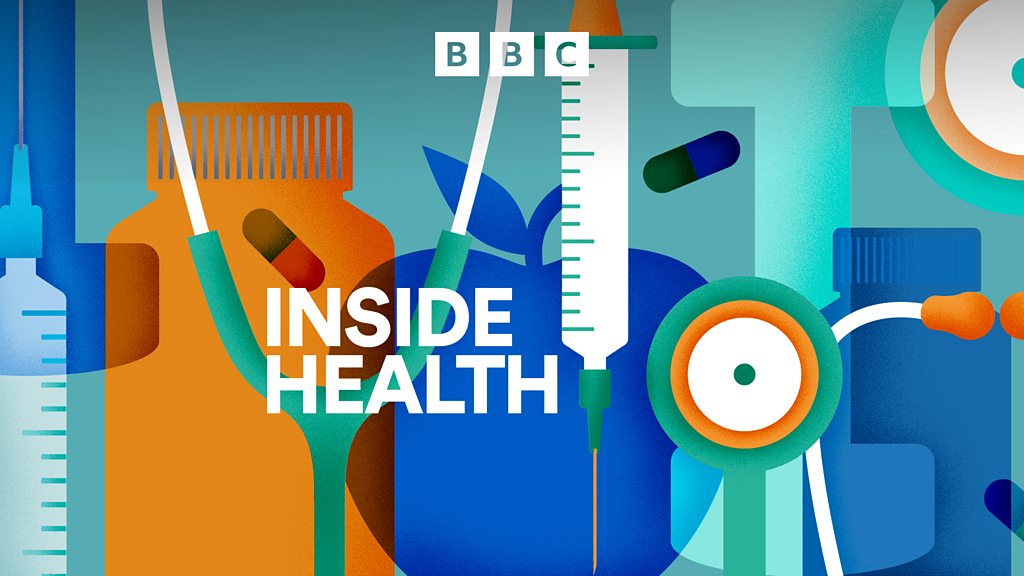
Beyond the immediate focus on long Covid, the episode of "Inside Health" also addresses another significant public health concern: the challenges faced by individuals living with a stoma. Statistics reveal that approximately one in 335 people in the UK currently live with a stoma. Despite the prevalence of this condition, a stark reality emerges from data provided by Colostomy UK, indicating that over 60% of individuals with a stoma report that a lack of accessible and suitable toilet facilities significantly impacts their daily lives. This deficiency can lead to social isolation, anxiety, and a reduced ability to participate fully in everyday activities.
In a heartening development, a campaign that originated in Bristol has successfully prompted B&Q, a major home improvement retailer, to make the disabled toilets across all its stores stoma-friendly. This initiative is a testament to the power of advocacy and the importance of creating inclusive public spaces. The report features a visit to a B&Q store with Mollie Pearce, a contestant from the popular television show "The Traitors," who has been living with a stoma since the age of 18. Her personal experience underscores the daily hurdles faced by individuals with stomas and the profound impact of accessible facilities. Joining her is Ms. Caroline Burt, a colorectal surgeon at Bristol Foundation Trust, who offers professional insights into the medical and practical aspects of stoma care and the significance of such accessibility improvements. Their combined perspectives highlight the critical need for greater awareness and systemic changes to accommodate the needs of the stoma community.
The program also tackles a popular social media trend with a critical eye, addressing claims that ice cream consumption can reduce the risk of developing type 2 diabetes. With many individuals seeking ways to cool down during periods of hot weather, the allure of a seemingly healthy indulgence is understandable. However, nutritional scientist Dr. Sarah Berry from King’s College London is enlisted to provide a scientifically grounded perspective on this so-called "ice cream paradox." Dr. Berry meticulously examines the evidence, separating fact from fiction to offer listeners a clear and accurate understanding of the relationship between ice cream, dietary habits, and the risk factors associated with type 2 diabetes. Her analysis aims to equip the public with evidence-based information to make informed dietary choices, especially during warmer months.
The "Inside Health" episode is presented by James Gallagher, a seasoned health correspondent, ensuring a comprehensive and engaging exploration of these vital health topics. The production is meticulously crafted by Alice Lipscombe-Southwell, with Stu Laws serving as the production coordinator, ensuring a seamless broadcast. The editorial oversight of Ilan Goodman guarantees the accuracy and integrity of the information presented. The "Inside Health" program, available on BBC Radio 4, continues its commitment to informing the public about critical health issues, offering expert analysis, personal stories, and evidence-based advice to empower listeners in their pursuit of well-being. The episode, titled "Where are we at with long Covid?", is a testament to the ongoing efforts to shed light on persistent health challenges and to champion positive change within the healthcare landscape. The broadcast date of August 4, 2026, signifies its timely relevance in addressing current health concerns, with the episode remaining accessible for over a year, allowing a broad audience to benefit from its valuable insights. The duration of 27 minutes ensures a focused yet thorough examination of each topic, making it an informative and digestible listen for a wide range of individuals interested in health and medical advancements.




 George Anjay
 Nakalama John
 atisusanti
 Ramos Leo
 Nana Banana