
 Nana Banana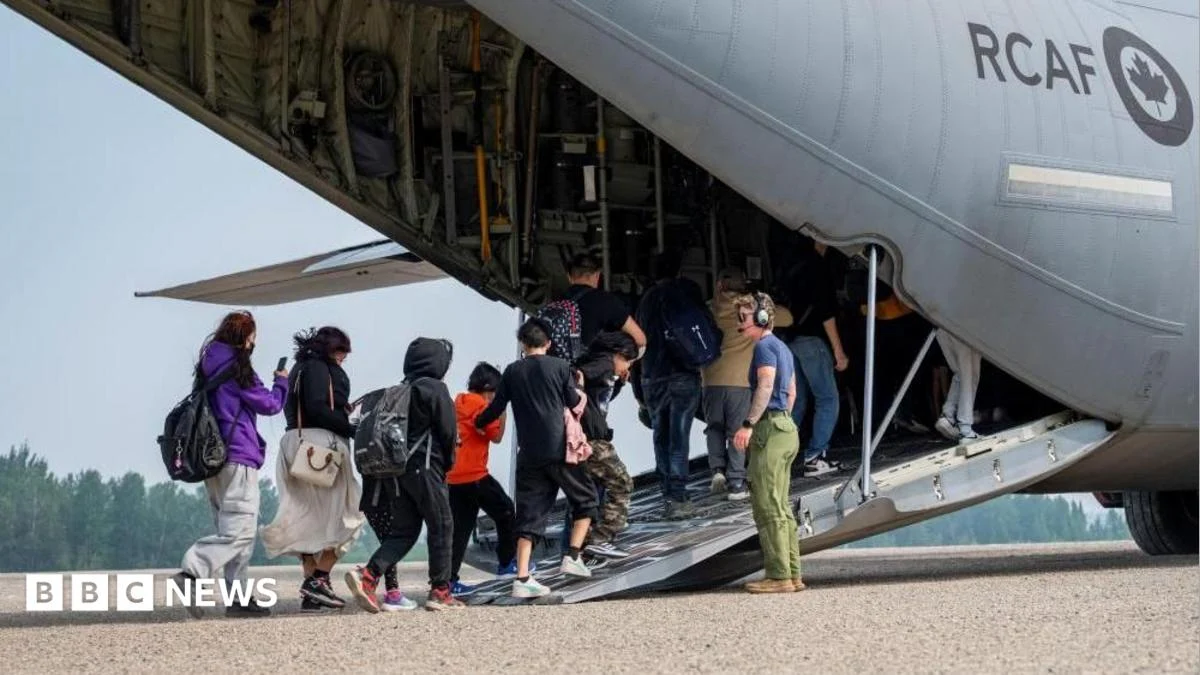
The smoke event transformed vibrant cityscapes into eerie, sepia-toned scenes, prompting schools to cancel outdoor activities, airlines to delay or divert flights, and health officials to issue urgent warnings for vulnerable populations to remain indoors. The air quality index in some areas reached hazardous levels, surpassing those of many of the world’s most polluted cities, sparking public outcry and a demand for a clear response from political leaders. Trump’s proposed tariffs, a highly unusual measure in response to a natural disaster originating in a neighboring allied nation, suggested a significant escalation of rhetoric, portraying the natural phenomenon as a deliberate affront or a failure for which Canada should bear direct financial responsibility. His previous administration was known for its willingness to employ tariffs as a tool of foreign policy, often straining relationships with traditional allies.
Doug Ford, the Premier of Ontario, offered a sharp rebuke to Trump’s comments on Monday, dismissing the "neighbourly squabbles" as maddening and rooted in "rubbish." Speaking at a press conference, Ford highlighted Canada’s consistent record of solidarity and mutual assistance with the United States during times of crisis. He specifically recalled instances where Canadian personnel and resources were dispatched to aid the US, citing the devastating aftermath of Hurricane Helene and the perennial challenge of wildfires in California. "I get frustrated just listening to a bunch of rubbish," Ford stated emphatically, underscoring the deep historical ties and cooperative spirit that have long characterized the relationship between the two nations. His remarks served as a pointed reminder of the reciprocal nature of such aid, concluding with a prescient warning: "Maybe one day you’re going to need our help." This statement underscored the unpredictable nature of natural disasters and the imperative for continued cross-border collaboration rather than punitive measures.
The severity of the current wildfire season across Canada provides a stark backdrop to these diplomatic tensions. In Ontario alone, the province Ford governs, the escalating fire activity has necessitated the evacuation of approximately 1,800 people from various communities. These evacuations are often rapid and disruptive, forcing residents to leave behind their homes and livelihoods with little notice. The provincial government, under Ford’s leadership, has been scrambling to deploy resources and support services to affected areas, grappling with logistical challenges and the emotional toll on displaced populations.
One of the most tragic impacts has been on Indigenous communities, often situated in remote, forested regions that are particularly vulnerable to wildfires. Whitewater Lake First Nation in Ontario, a community primarily comprising seasonal camps rather than full-time residents, suffered catastrophic damage over the weekend. Chief Pauline Drake conveyed the profound sense of loss to CBC News on Sunday, detailing the widespread destruction of infrastructure, community homes, and personal property. The fires consumed not just structures but also cherished natural landscapes that held immense cultural and spiritual significance for the community. "It was full of beaches, sand beaches, good fishing, good hunting – the wildlife was beautiful. We had eagles that were always there," Chief Drake recounted, her voice heavy with grief. Her concern extended beyond the material losses to the ecological devastation: "I don’t know how the wildlife is now. That’s very concerning, because they were part of our upbringing there." This sentiment highlights the deep connection Indigenous peoples have to their traditional territories, where the land, water, and wildlife are integral to their identity and way of life. The destruction of these natural elements represents an irreparable loss of heritage and a profound disruption to cultural practices.
Premier Ford had visited Thunder Bay, Ontario, over the weekend, a major hub in the province’s northwest, where he reiterated his government’s unwavering commitment to the communities affected. During his visit, he pledged to "do and spend whatever it takes to protect people from these devastating wildfires," signaling the allocation of significant provincial resources towards firefighting efforts, emergency relief, and long-term recovery initiatives. This commitment comes amidst a broader national crisis, as wildfires have simultaneously raged across multiple Canadian provinces, stretching emergency services to their limits and prompting calls for federal and international assistance.
The western Canadian province of British Columbia, accustomed to severe wildfire seasons, is also experiencing an exceptionally challenging period. The entire city of Kimberley, a picturesque community nestled in the Kootenay Rockies, has been placed under an evacuation alert, affecting approximately 9,000 residents. An evacuation alert signifies that residents should be prepared to leave at a moment’s notice, having packed essential items and made arrangements for their departure, as conditions could rapidly deteriorate and necessitate an immediate evacuation order. This state of heightened readiness causes immense stress and uncertainty for the population, disrupting daily life and impacting local economies. Beyond Kimberley, numerous other communities across British Columbia are contending with active fires, smoke advisories, and the constant threat of evacuation, painting a grim picture of the province’s battle against the blazes.
In a comprehensive statement released on Sunday, Mark Carney outlined the significant mobilization of resources undertaken by Canadian authorities to combat the widespread fires. While his current role is focused on climate finance, his involvement in conveying the national response underscores the severity of the crisis and the need for prominent voices to address it. Carney affirmed that Canadian authorities had mobilized more than 5,000 firefighters, including personnel from international partners, to the front lines. These ground crews are supported by an impressive aerial fleet comprising nearly 300 waterbombers, helicopters, and specialized evacuation aircraft. The coordinated effort aims to "contain, control, and mitigate the fires," a multi-pronged strategy that involves establishing fire breaks, dousing active flames, managing smoke, and ensuring the safe evacuation of threatened populations.
Carney further emphasized the monumental scale and complexity of the operation. "It’s an enormous, complex effort that ultimately depends on dedicated and brave individuals who work relentlessly to keep Canadians safe," he added, acknowledging the courage and tireless commitment of emergency responders, many of whom are working under arduous and dangerous conditions for extended periods. The sheer geographic scope of the fires, spanning multiple provinces and vast wilderness areas, presents unprecedented challenges for logistics, resource allocation, and communication. This season’s fires have been exacerbated by unusually hot and dry conditions, which scientists increasingly link to climate change, suggesting that such extreme weather events may become more frequent and intense in the future. The diplomatic friction between the US and Canada over the smoke underscores the global nature of climate-related disasters and the complex political dimensions that arise when their impacts cross international borders.



 George Anjay
 Nakalama John
 atisusanti
 Ramos Leo
 Roy Suryo