
 Ramos Leo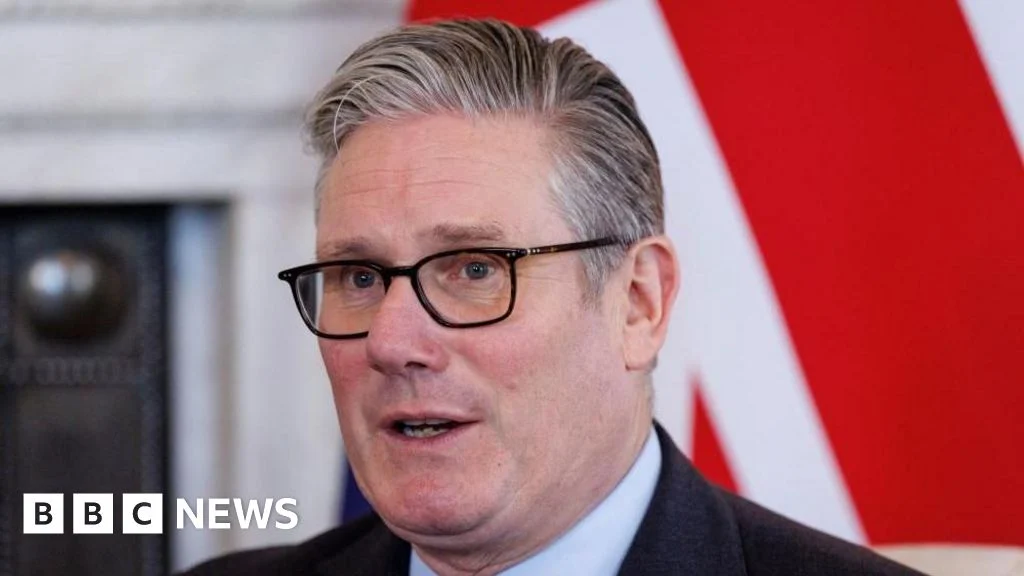
The Strait of Hormuz, a narrow maritime chokepoint between the Persian Gulf and the Gulf of Oman, holds unparalleled strategic importance. It is, by all accounts, one of the world’s most vital shipping lanes, through which an estimated 20% of the world’s total oil consumption and a substantial portion of its liquefied natural gas (LNG) typically transits. However, since the outbreak of hostilities on February 28th – sparked by what has been described as a pre-emptive strike by the US and Israel against Iranian military installations – traffic through this critical artery has plummeted by approximately 95%. This near-total blockade, imposed by Iran in retaliation, has sent shockwaves through the global economy, triggering an unprecedented surge in fuel prices and casting a long shadow over energy security worldwide.
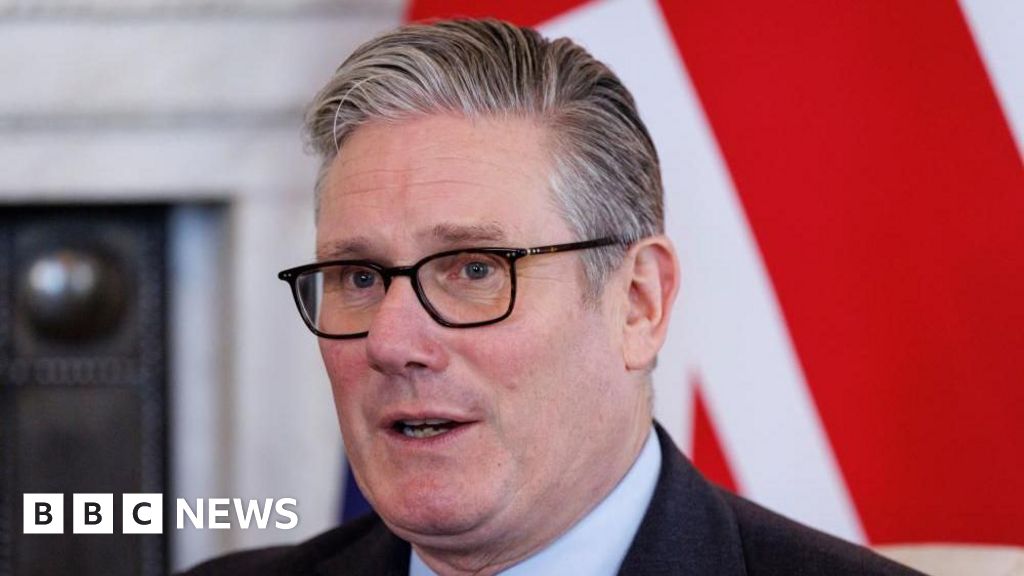
A Downing Street spokesperson confirmed that during their Sunday call, the two leaders unequivocally "agreed that reopening the Strait of Hormuz was essential to ensure stability in the global energy market." This statement underscores the shared understanding between Washington and London regarding the catastrophic economic implications of the current closure. The ramifications are already palpable, with crude oil prices soaring by an alarming 45% to reach $106 a barrel, a level not seen in years and one that threatens to derail post-pandemic economic recovery efforts across the globe. Such price hikes directly translate to higher costs at the pump for motorists, increased operational expenses for businesses reliant on transport, and ultimately, a deepening cost-of-living crisis for ordinary households.
In response to the escalating crisis, Sir Keir Starmer is scheduled to chair a crucial Cobra meeting on Monday. Cobra, the Cabinet Office Briefing Room A, is the UK government’s emergency committee, convened in times of national crisis. The breadth of attendees for this particular meeting highlights the multi-faceted nature of the current challenges. Key figures expected to be present include the Chancellor of the Exchequer, the Foreign Secretary, the Energy Secretary, and significantly, the Governor of the Bank of England, Andrew Bailey. Their collective presence signifies the government’s recognition of the severe economic, diplomatic, and energy security implications stemming from the Middle East conflict.
Discussions at the Cobra meeting are anticipated to delve into a range of critical topics. High on the agenda will be the immediate and long-term implications for energy security, particularly for the UK, which remains a significant importer of oil and gas. Ministers will assess potential supply disruptions, the viability of alternative energy sources, and strategies to mitigate the impact of soaring wholesale prices on both consumers and industries. The economic impact on families and businesses will also be a central theme, with the Chancellor expected to outline potential measures to cushion the blow of rising inflation and the broader cost-of-living crisis. Furthermore, the meeting will address the integrity of supply chains, which are already fragile from recent global disruptions, and discuss the UK’s ongoing international response and coordination with allies in a bid to de-escalate tensions and seek a diplomatic resolution.
The urgency of the situation is further amplified by the increasingly confrontational rhetoric emanating from both Washington and Tehran. In a stark social media post on Saturday, President Trump issued a severe ultimatum, threatening to "obliterate" Iranian power plants if the Strait of Hormuz was not reopened within 48 hours. This aggressive stance reflects the immense pressure on the US to protect global commerce and energy flows. Tehran, for its part, has not backed down, with Iranian state media reporting that the Islamic Republic would target "US-linked energy sites" across the Gulf region should the US proceed with its threats. This tit-for-tat escalation raises the chilling prospect of a wider regional conflagration, potentially drawing in other Gulf nations with significant oil and gas infrastructure.
Addressing the British public’s concerns, Housing Secretary Steve Reed spoke to the BBC on Sunday, assuring that the government was actively taking steps to alleviate the financial burden on households. He highlighted a recently announced £53 million package specifically designed to assist homes struggling with the sharp increase in the price of heating oil, a measure aimed at the approximately 1.5 million UK households that rely on oil for heating. Reed also sought to allay fears about direct threats to the UK mainland, stating there was "no specific assessment that the Iranians are targeting the UK – or even could if they wanted to."
However, this reassurance was tempered by recent revelations concerning Iran’s missile capabilities and actions. The Israel Defense Forces (IDF) had previously disclosed on Saturday that Tehran possesses weapons with a formidable range of up to 4,000 kilometres (2,485 miles). This assessment gained chilling credibility following an earlier, unconfirmed report that Iran had targeted the joint US-UK military base on Diego Garcia, a strategically vital island in the Chagos Archipelago in the Indian Ocean, located approximately 3,800 kilometres from Iran. While Reed declined to disclose "operational details," citing national security, he did confirm that Iran had fired two ballistic missiles at Diego Garcia. One of these missiles reportedly failed and fell short of its target, while the other was successfully intercepted. The attack on Diego Garcia, a remote but critical staging post for US and UK military operations in the Indian Ocean and beyond, represents a significant and concerning escalation, demonstrating Iran’s willingness to project power far beyond its immediate borders and directly challenge Western interests.
In a pivotal shift in policy that underscores the gravity of the crisis, the UK government on Friday agreed to allow the United States to use British bases for launching offensive strikes on Iranian sites, specifically those involved in targeting the Strait of Hormuz. This marks a significant departure from previous arrangements, which had typically restricted US forces’ use of British bases to purely defensive operations, primarily to prevent Iran from firing missiles that explicitly endangered British interests or personnel. This decision reflects a hardening of the UK’s stance and a deeper commitment to ensuring the freedom of navigation through the Strait, albeit at the increased risk of direct involvement in military action against Iran. The implications of this policy shift are profound, potentially placing the UK at greater risk of retaliation and solidifying its role as a key player in any future military response in the Gulf.
As the diplomatic efforts continue alongside heightened military posturing, the world watches with bated breath. The intricate web of alliances, economic dependencies, and geopolitical rivalries in the Middle East ensures that any misstep could have far-reaching and potentially catastrophic consequences, not just for the region, but for the stability of global energy markets and international peace. The Starmer-Trump discussion, and the subsequent Cobra meeting, serve as stark reminders of the immediate challenges facing Western leaders as they navigate this perilous geopolitical landscape. The urgent need to reopen the Strait of Hormuz is not merely an economic imperative, but a critical test of international resolve in the face of escalating regional conflict.




 Roy Suryo

 Nakalama John
 atisusanti
