
 Ramos Leo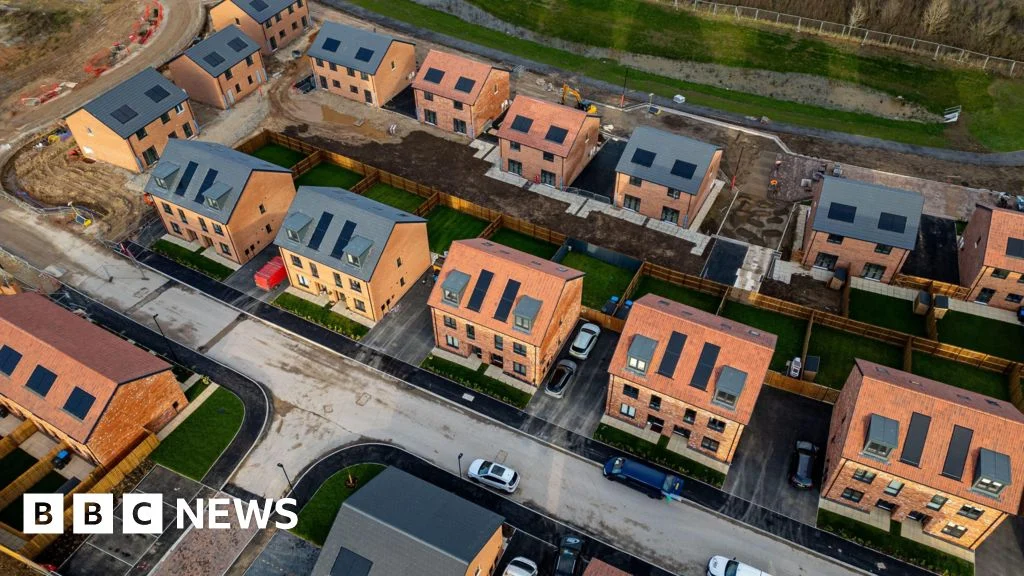
This latest announcement from the government follows a rigorous assessment process, which initially considered numerous proposals submitted by local authorities and developers. While seven sites have been given the green light for deeper scrutiny, another six initial proposals have been deprioritised from this specific "new towns" scheme at this stage. Among those sidelined was a contentious proposal in Cheshire, which had previously ignited significant local opposition and led to public protests outside council meetings, highlighting the often-sensitive nature of large-scale development projects.
The Labour government, having first unveiled this bold initiative at its party conference in 2023, has made a firm commitment to kickstarting building work on at least three of these sites before the next general election, which is constitutionally mandated to occur by 2029 at the latest. This aggressive timeline underscores the political imperative behind the housing drive, as the party seeks to demonstrate tangible progress on a critical issue for many voters. Sir Keir Starmer, the party leader, originally framed the programme as delivering the "next generation of new towns," drawing a direct historical parallel to the iconic developments spearheaded by the Labour government in the aftermath of World War Two. Towns like Stevenage, Hemel Hempstead, and Harlow emerged from that post-war vision, providing much-needed homes and planned communities for a recovering nation.
The seven areas now progressing to the next stage of consideration are: Tempsford in Bedfordshire; the ambitious Leeds South Bank regeneration project; Crews Hill and Chase Park in Enfield, North London; the extensive Manchester Victoria North urban renewal scheme; Thamesmead, a sprawling area across Greenwich and Bexley in Southeast London; Brabazon and the West Innovation Arc near Bristol; and a proposal for a "renewed town" within the existing framework of Milton Keynes. Each of these sites presents unique opportunities and challenges, reflecting the varied approaches the government is exploring to boost housing supply.
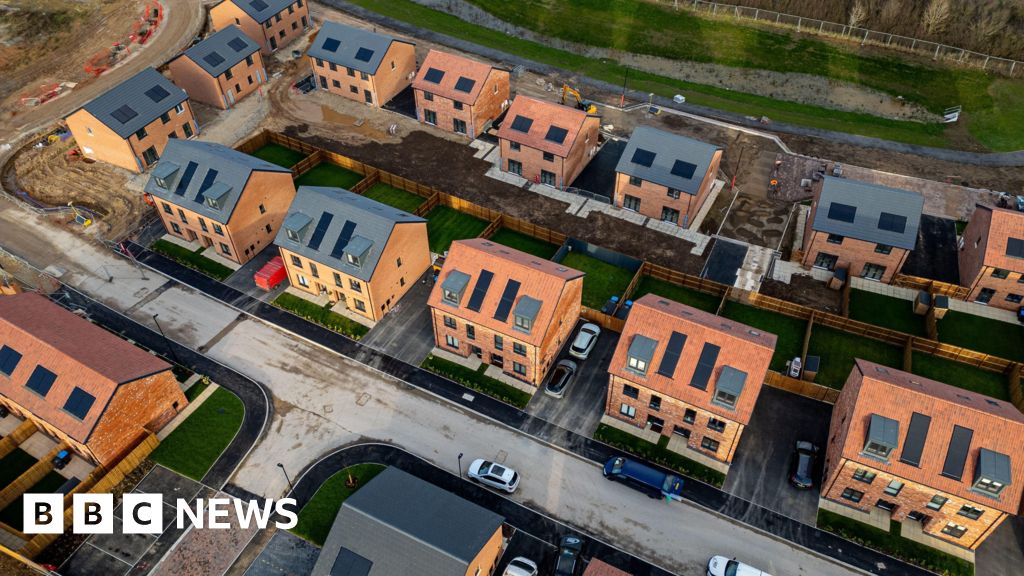
Tempsford, for instance, represents a potential entirely new settlement, a blank canvas for comprehensive planning and infrastructure development. Leeds South Bank and Manchester Victoria North, conversely, are massive urban regeneration projects within major cities, aiming to repurpose brownfield sites and integrate thousands of new homes with commercial, leisure, and public spaces. Crews Hill and Chase Park in Enfield, along with Thamesmead, signify significant expansions or redevelopments within the Greater London area, addressing housing demand in one of the most pressured markets in the UK. Brabazon, situated on the former Filton Airfield near Bristol, is envisioned as a new urban quarter integrated with a broader "West Innovation Arc," blending residential with employment opportunities. Finally, the proposal for Milton Keynes acknowledges the legacy of previous new town programmes, aiming to inject new life and capacity into a town specifically designed for growth in the 1960s.
The six sites that have been deprioritised from this specific "new towns" programme include plans for standalone settlements in Marlcombe, east Devon, and the aforementioned rural village of Adlington in Cheshire. The Adlington scheme, in particular, had faced significant backlash from local residents and even drew opposition from the local Labour MP, a rare instance of internal party disagreement over housing policy. Other sites now out of the running for this specific scheme are proposed developments near Worcestershire Parkway train station, Heyford Park in Oxfordshire (a former airbase with existing infrastructure but perhaps complex planning issues), and a large-scale plan to build thousands of new homes in the city of Plymouth. Additionally, a proposal in South Barking in East London was also assessed by officials but will not be taken forward "at this stage." The housing department has clarified that while these areas are not part of the current "new towns" focus, they remain "credible development opportunities" and could still receive support through other existing government housing programmes, suggesting a broader, multi-faceted approach to increasing housing supply.
A key element of the government’s strategy is the establishment of dedicated delivery bodies for the selected new towns. These bodies are envisioned to play a pivotal role in overcoming the often-fragmented and slow-moving nature of land acquisition and development in the UK. Crucially, they could be granted powers to compulsorily purchase land where "reasonable efforts" to reach an agreement with existing landowners prove unsuccessful. This power, while controversial, is seen by proponents as essential to assembling the large plots of land required for strategic developments and preventing speculative land banking from stifling progress. However, its application will undoubtedly be subject to intense scrutiny and legal challenges.
Each of the selected locations is expected to deliver a substantial number of new homes, with ministerial ambitions set for between 10,000 and 40,000 dwellings per site. This scale of development is necessary to make a meaningful dent in the national housing deficit, which has seen house prices soar and affordability plummet for many. Beyond the sheer numbers, the government has stressed the importance of creating well-planned, sustainable communities complete with essential infrastructure, including schools, healthcare facilities, transport links, and green spaces. Each site will undergo rigorous environmental assessment to ensure developments are sustainable and respect ecological considerations, a vital aspect given increasing climate concerns and biodiversity targets.
While the ambition is clear, the financial details remain somewhat opaque. Ministers have indicated that funding for the scheme will be drawn from an existing affordable housing fund, supplemented by contributions from a new investment agency specifically established to encourage house building. However, a specific overall budget for the "new towns" programme has yet to be publicly specified. Housing Secretary Steve Reed has previously stated that funding would only be allocated "when we know exactly what we want to build and where," implying a phased approach tied to the progression of individual projects. This lack of upfront financial clarity has been a point of concern for some, with reports from the Financial Times suggesting that the availability of government funding for crucial transport and other infrastructure near the sites has been a "sticking point" in discussions with potential private investors. Large-scale developments invariably require significant public investment in infrastructure to unlock private sector involvement, and the sequencing and commitment of this funding will be critical to the scheme’s success.
Adding a touch of human interest and historical resonance, the government has also acknowledged that names for these new developments have yet to be decided. This follows a recent report in The Sun newspaper, which floated several potential names that had been internally discussed. These included "Elizabethtown," a tribute to the late Queen Elizabeth II, "Pankhurst," honouring the suffragette leader Emmeline Pankhurst, and "Athelstan," referencing the figure considered by many to be the first king of England. Such names, if adopted, would imbue these modern communities with a sense of national history and purpose, reflecting the government’s desire to create enduring legacies.
The revival of the "new towns" concept represents a significant policy pivot, aiming to move beyond incremental development and tackle the housing crisis with a more strategic, large-scale approach. The success of this ambitious programme will hinge on effective collaboration between central government, local authorities, private developers, and local communities. It will require not only significant financial investment but also robust planning frameworks, strong leadership from the newly formed delivery bodies, and a commitment to creating genuinely sustainable and thriving places for future generations to call home. The next phase of consultations and the ultimate confirmation of the final sites will be watched closely, as England embarks on what could be one of its most substantial housing initiatives in decades.




 Roy Suryo

 Nakalama John
 atisusanti
