
 Nana Banana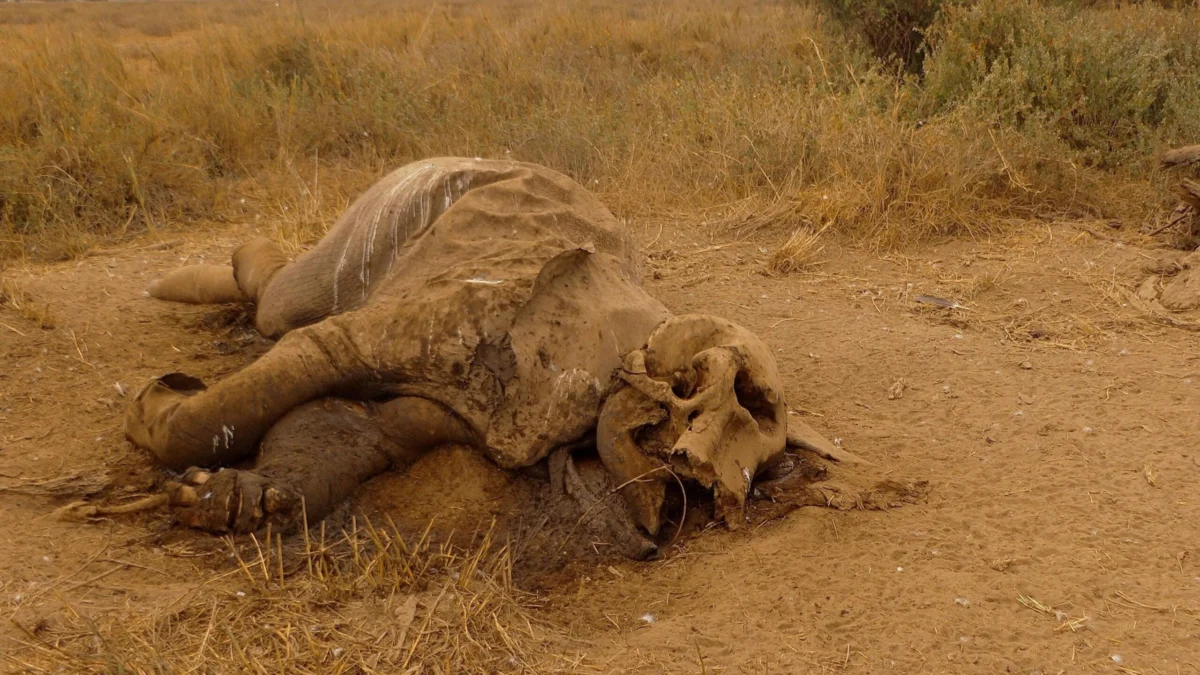
The serene landscape surrounding Kenya’s Amboseli National Park, usually a vibrant tableau of Africa’s iconic wildlife, was recently marred by a disturbing mystery: the unexplained deaths of 15 elephants. Between June 24 and July 24, these magnificent creatures, vital to Kenya’s ecosystem and tourism, perished, displaying harrowing symptoms of "partial paralysis" that initially pointed towards a sinister cause – poisoning, possibly from cyanide-based pesticides. This tragic spate of deaths has ignited a fierce debate, casting a shadow over agricultural practices, cross-border smuggling, and the enduring human-wildlife conflict in one of Africa’s most cherished wilderness areas.
The Kenya Wildlife Service (KWS) swiftly launched an investigation, their chief vet, Dr. Isaac Lekolool, confirming the detection of cyanide traces in stomach samples from the deceased elephants. While acknowledging the possibility of deliberate poisoning, KWS’s primary working theory suggested an unintentional exposure to toxins through pesticides sprayed on nearby tomato farms. This hypothesis paints a grim picture of elephants foraging close to agricultural land, ingesting harmful chemicals meant for crop protection. "It could be unintentional," Lekolool mused, "Maybe people are trying to do some controls of pests on their crops, and that could have been maybe a source." The affected elephants were discovered outside the park boundaries, in areas where human settlements and farming have increasingly encroached upon traditional wildlife corridors.
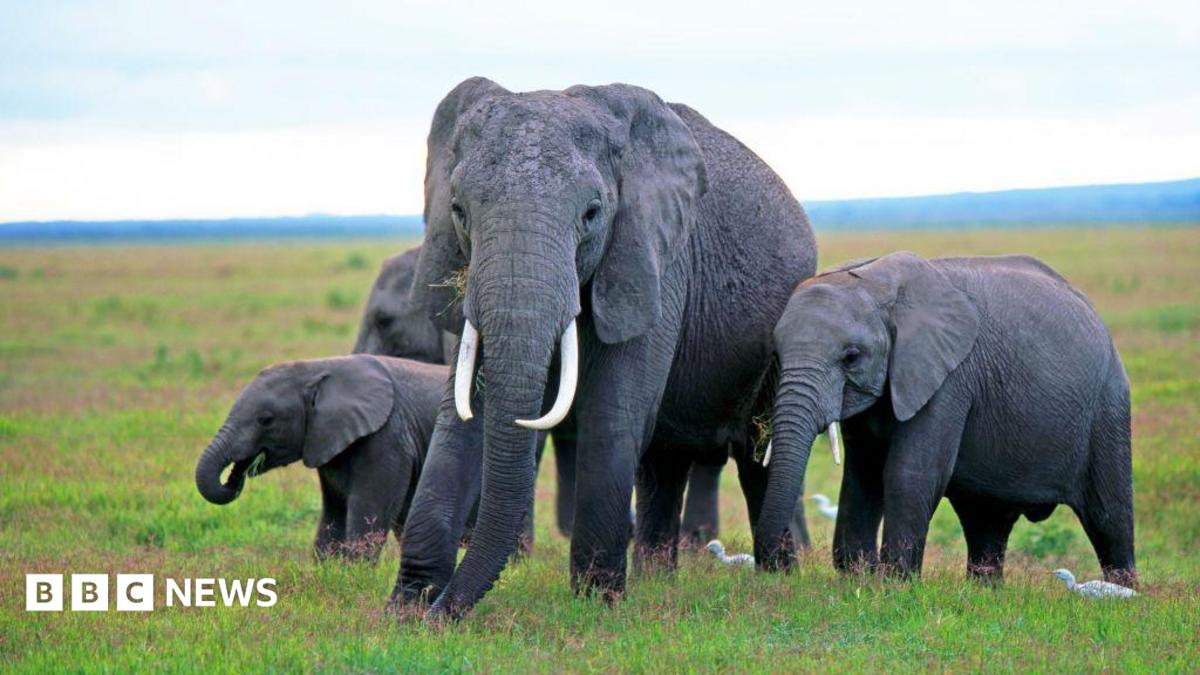
However, this official narrative has been met with significant skepticism from both local farmers and seasoned conservationists. Daniel Nina, a representative for landowners in the Kimana area, expressed the community’s bewilderment. "We have stayed with this wildlife for decades and have never experienced this," Nina told the BBC, highlighting the unprecedented nature of the incident. "So that’s why we are wondering why it is happening today." The Kimana area is strategically located within a crucial wildlife corridor linking Amboseli National Park to the vast Tsavo National Park, forming part of the extensive Amboseli ecosystem that straddles the Tanzanian border. This region, nourished by streams flowing from Mount Kilimanjaro, supports a population of over 2,000 elephants and thriving agricultural enterprises that supply Nairobi and beyond. The coexistence between humans and wildlife here is long-standing, making the sudden cluster of elephant deaths particularly perplexing.
The KWS’s pesticide theory gained some traction with a 2024 report by the Kenyan food safety initiative, Route to Food. The report’s author, Wangunyu Njuguna, documented a farmer in the Kimana area using an insecticide containing an "active ingredient" that was a "chemical compound of cyanide." Njuguna underscored a broader problem: despite being illegal in Kenya, highly toxic agrochemicals are frequently smuggled across the porous border with Tanzania. "The biggest problem is we’re not enforcing similar standards in the region," Njuguna explained. "There is no-one checking what I go and buy across the border, so I can just go buy anything and walk through the border and no-one stops me." This illicit trade not only endangers wildlife but also poses serious health risks to humans, as these unregulated substances often find their way onto dinner plates. The report highlighted the pervasive use of highly hazardous substances on Kenyan farms, some of which have been definitively linked to severe diseases in humans. While regulations against such illegal agrochemicals do exist, their weak enforcement and a general lack of attention to their impact on animal populations compound the crisis.
Despite these findings, many wildlife experts remain unconvinced by the pesticide theory. Paula Kahumbu, a world-renowned conservationist with nearly three decades of experience working with elephants, voiced strong reservations. "We haven’t got enough detailed information to have confidence in this claim that it’s due to pesticides in crops," Kahumbu stated, emphasizing the need for more transparent and comprehensive data. "Some information has been released to the public but it’s not adding up. Those elephants have to eat a huge amount to kill them." Elephants, being enormous creatures, would require a substantial dose of any toxin to be fatally affected, raising questions about how incidental ingestion from crop residues could be sufficient.
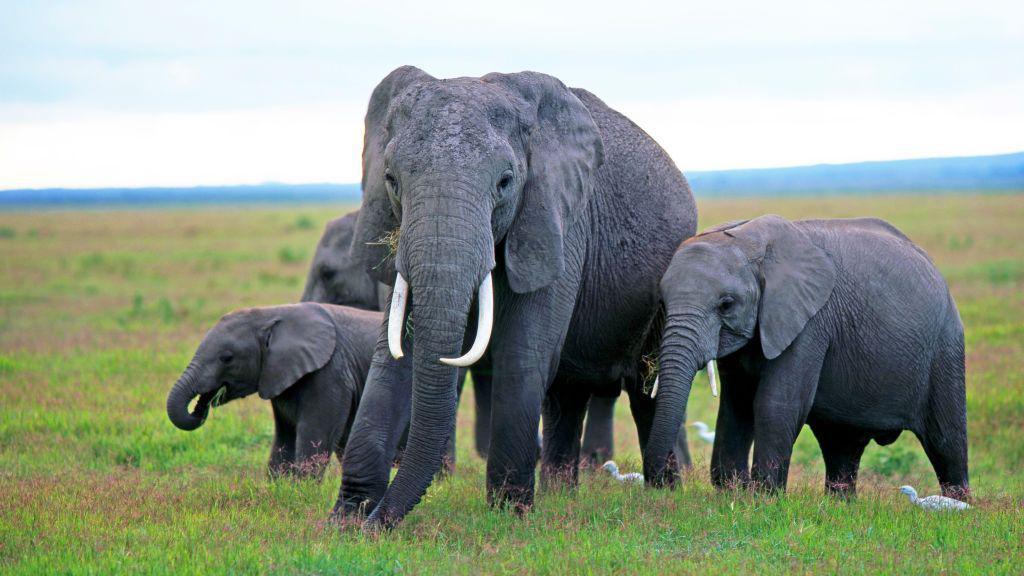
Further inconsistencies have been pointed out by other unnamed experts, who argue that the pesticide theory contradicts observed elephant behavior. Male elephants, particularly younger ones, are typically more prone to raiding farms and taking risks, making them more likely candidates for accidental poisoning from crops. Yet, among the 15 deceased elephants, only one was an adult male; the majority were females and calves. This demographic skew suggests a different pattern of exposure or a different underlying cause. Moreover, Daniel Nina reinforced this point by recalling previous poisoning incidents in the area, which typically affected multiple species like zebras and antelopes that graze alongside elephants in the same fields. "How does cyanide kill the elephants and leave behind the zebras, antelopes and wildebeests, which are eating the grass together?" Nina queried, highlighting the selective nature of the current deaths.
The tragic elephant deaths serve as a stark reminder of the escalating human-wildlife conflict that has plagued communities near conservation areas across Kenya for decades. Stephen Michael, a tomato farmer in Kimana, recounted the regular incursions of elephants and giraffes into his land. "Elephants come from time to time from Tsavo and Amboseli. They destroy many farms, not just mine," Michael lamented. "The last time elephants came, they destroyed cabbages and tomatoes. I lost cabbages worth almost $1,535. That doesn’t include tomatoes. I might start crying if I count that." Such losses breed resentment and can push desperate farmers to extreme measures to protect their livelihoods, whether through direct conflict or the use of potent chemicals.
Frank Pope, CEO of the conservation organization Save the Elephants, articulated the evolving threat to Amboseli’s elephants. "It’s not ivory anymore," he asserted, referring to the past scourge of poaching. "It’s land use." The rapid expansion of farms, lodges, and human settlements is progressively encroaching upon the traditional migratory routes and grazing grounds historically used by elephants. This land-use change intensifies the competition for vital resources, particularly water and fertile soil, which are abundant in the Amboseli ecosystem. As human populations grow and agricultural demands rise, the buffer zones between protected areas and human habitation shrink, inevitably leading to increased friction and tragic consequences for both humans and wildlife.
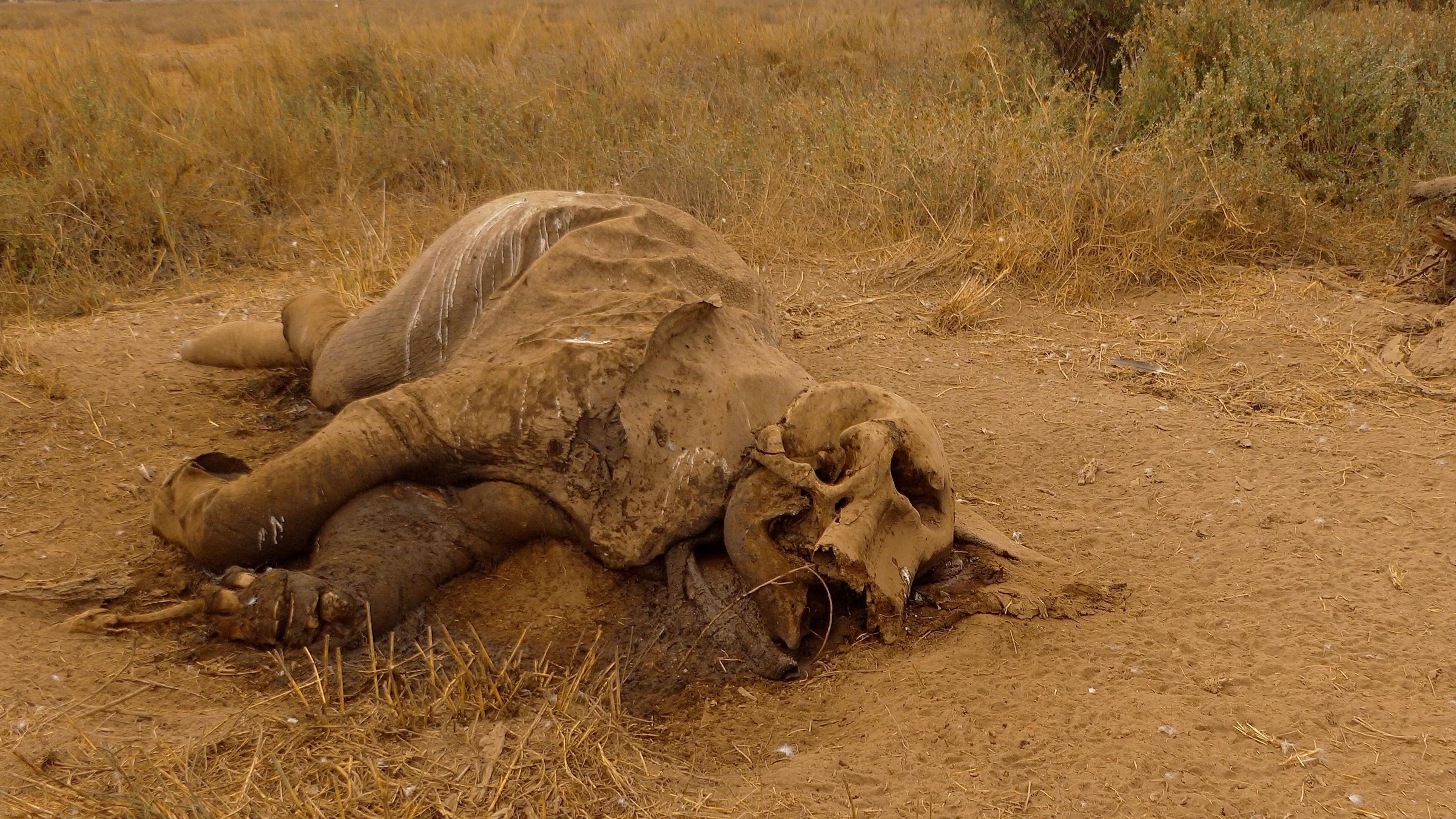
The mystery surrounding these elephant deaths remains unresolved, leaving a palpable sense of fear and uncertainty. If the poisoning was indeed unintentional, it underscores a critical flaw in agricultural practices and chemical regulation that could jeopardize the entire ecosystem and even human health. If, however, the deaths were a result of deliberate acts, it signifies a dangerous escalation in human-wildlife conflict, driven by desperation or malice. The continued risk to the remaining elephant population, an irreplaceable part of Kenya’s natural heritage, is immense. Furthermore, the lack of clarity means that the people living near these areas could also be exposed to the same unidentified danger.
To safeguard Kenya’s iconic elephants and ensure the well-being of its human population, a more thorough, transparent investigation is imperative. This must be coupled with robust enforcement of pesticide regulations, efforts to combat the illegal trade in agrochemicals, and innovative solutions to mitigate human-wildlife conflict. The future of Amboseli’s elephants, and the delicate balance of its ecosystem, hinges on unraveling this complex mystery and addressing the multifaceted challenges that lie beneath the surface of these tragic deaths.



 atisusanti
 George Anjay
 Nakalama John

 Ramos Leo