
 George Anjay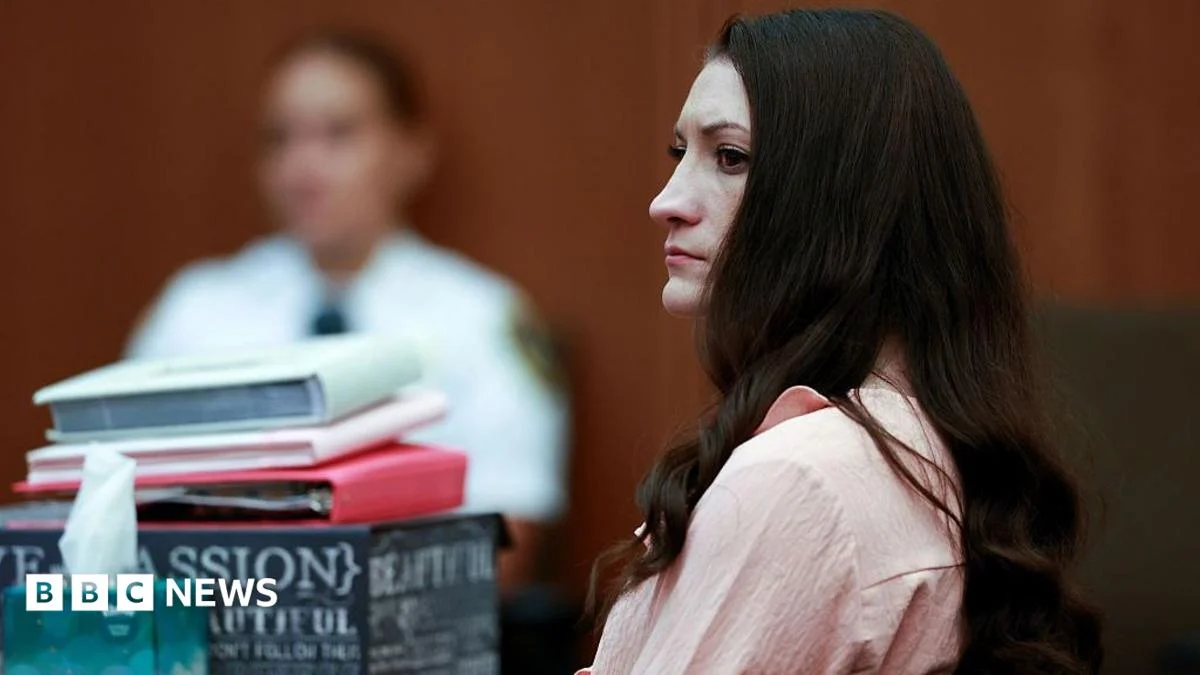
A jury is currently deliberating in the highly publicized trial of Lindsay Clancy, the Massachusetts mother accused of the horrific murders of her three young children. The case, which has gripped the nation, centers on a profound question of legal responsibility versus severe mental illness. Clancy has not disputed the fact that she caused the deaths of her children, Cora, 5, Dawson, 3, and Callan, eight months, on January 24, 2023, in their Duxbury home. However, her defense hinges on the argument that she should not be held legally accountable due to a severe mental health crisis. If convicted of the three counts of first-degree murder, Clancy faces a mandatory sentence of life in prison without the possibility of parole. The five-week trial has been marked by emotional testimony, contentious expert battles, and a unique public outpouring of support for the defendant.
The defense’s central argument throughout the trial has been that Lindsay Clancy was experiencing profound hallucinations and delusions, particularly after the birth of her youngest child. Her attorneys presented evidence of her pre-existing mental health struggles, including previous treatment and a voluntary admission to a psychiatric hospital just days before the tragic events. This defense strategy directly contrasts with the prosecution’s assertion that Clancy meticulously planned and intentionally murdered her children, alleging that she deliberately sent her husband, Patrick Clancy, on errands to ensure he would not be present during the killings. The prosecution contends that Clancy made a calculated decision and must be held legally responsible for her actions.
The trial began with the prosecution laying out the grim details of the day the children died. Prosecutors allege that Clancy strangled her three children with fitness bands in their home before attempting suicide by jumping from a second-floor window. The fall left Clancy, now 36, paralyzed and she attended much of the trial in a wheelchair. Her attorneys, while not disputing her role in the deaths, have consistently focused on her alleged mental state, arguing that she was not in a sound mind to form the intent required for first-degree murder.

A particularly poignant and emotionally charged moment of the trial was the testimony of Lindsay Clancy’s ex-husband, Patrick Clancy. Over two days, he provided jurors with a harrowing account of his ex-wife’s deteriorating mental health in the month leading up to the tragedy. He described her significant weight loss, profound depression, and increasing difficulty coping. He testified that she had been intermittently seeking medical help and was taking various medications, at one point expressing suicidal thoughts. Patrick Clancy recounted his last moments with his son Dawson, who was sitting on the couch eating chicken nuggets, before he left to procure food and medication. Upon his return, he discovered the horrifying scene. The raw emotion in the courtroom was palpable as a recording of his 911 call played, his screams of "She killed the kids" echoing through the chamber. Despite swirling online conspiracy theories, Patrick Clancy was never a suspect in the investigation, and his testimony served to corroborate the defense’s narrative of Lindsay’s mental decline.
The trial also featured intense battles between legal teams and expert witnesses regarding Clancy’s mental state and care. Over ten expert witnesses testified for both the prosecution and the defense, with several expert opinions clashing sharply with the attorneys questioning them. The defense aimed to convince the jury that Clancy suffered from postpartum psychosis, a severe mental health condition characterized by mania, depression, or a combination of both, which can lead to delusions and hallucinations. Conversely, the prosecution sought to portray Clancy’s actions as deliberate.
A notable clash occurred during the testimony of Dr. Jennifer Tufts, a psychiatrist who had seen Clancy multiple times over five months. Tufts testified for the prosecution, stating that Clancy did not exhibit significant signs of psychosis during their sessions and that her safety, or the safety of others, was not at risk. However, defense attorneys pressed Tufts on her own medical notes, which they argued described Clancy’s speech as "not hyper, pressured speech." They suggested this indicated potential signs of mania, a symptom associated with psychosis. Tufts, however, maintained her interpretation of the notes, leading to a tense exchange.
Another prosecution expert, psychiatrist Dr. Avram Mack, also faced intense questioning from defense attorney Kevin Reddington regarding the diagnostic classification of postpartum psychosis. Mack explained that the American Psychiatric Association considers postpartum psychosis a proposed illness, rather than a definitively recognized diagnosis. His cautious responses, at times admitting uncertainty about whether his statements directly answered the question, frustrated Reddington, who repeatedly pushed for clearer answers.
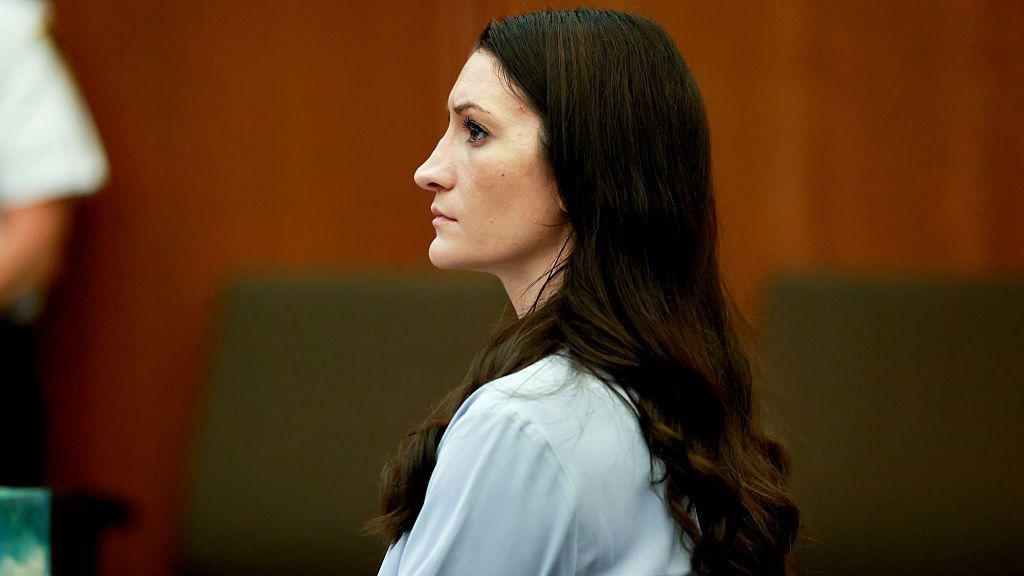
The emotional impact of the case extended to the family of Lindsay Clancy. In addition to her ex-husband, her former mother-in-law, Susan Clancy, her mother, Paula Musgrove, and her sister, Allison Ozga, all testified. They painted a picture of a loving mother whose mental health significantly deteriorated after the birth of her youngest son. Susan Clancy described Lindsay as "begging for help," detailing her insomnia, loss of appetite, anxiety, and sadness. She emphasized that Lindsay had been a "very nurturing" mother prior to this period. Paula Musgrove revealed that Lindsay had expressed thoughts of harming her children a month before their deaths, becoming increasingly paranoid and believing her medications were negatively impacting her mind. Allison Ozga testified that her sister was experiencing daily suicidal thoughts in the month leading up to the killings.
Towards the end of the trial, a controversial issue arose when the defense team requested a mistrial due to prosecutors questioning witnesses about Lindsay Clancy’s Catholic faith. Prosecutors had asked Susan Clancy if she was aware that murder was considered a "mortal sin," after establishing she was Catholic. Later, forensic psychologist Kirk Heilbrun testified that he had inquired about Clancy’s Catholic upbringing and whether suicide was considered a "mortal sin." Judge William Sullivan denied the mistrial but sternly instructed the jury to disregard this line of questioning, labeling it "absolutely inappropriate" and emphasizing that it was to be stricken and not considered in their deliberations.
The case has also garnered significant attention on social media, with thousands following the court proceedings online. Outside the courthouse, hundreds of women have gathered to show their support for Lindsay Clancy, many wearing pink shirts with messages such as "She Needed Help" and "Peace For Lindsay," highlighting the societal conversation surrounding postpartum mental health and the complexities of mental illness in the justice system. The jury’s deliberation will determine the ultimate fate of Lindsay Clancy, with the outcome holding significant implications for how mental health defenses are considered in severe criminal cases.




 Roy Suryo

 Nakalama John
 atisusanti
 Ramos Leo
