Nana Banana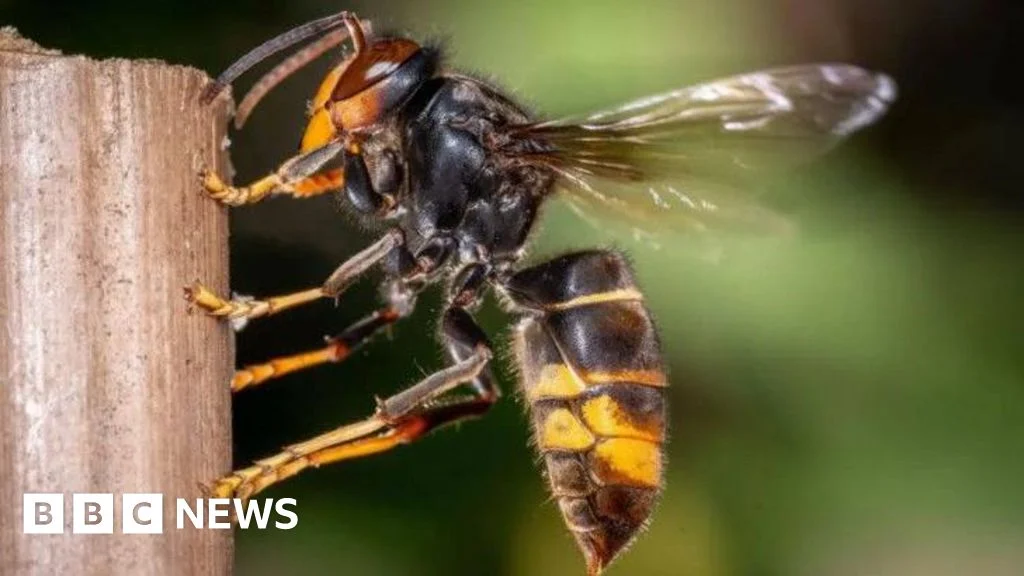
The Biosecurity team, a dedicated unit within the Infrastructure and Environment (I&E) Department, is behind the development of this innovative reporting form and interactive map. This platform allows residents not only to submit new sightings but also to instantly ascertain if a particular report has already been logged, whether a nest has been successfully destroyed, and even upload photographic evidence to aid in identification and verification. This level of transparency and real-time information sharing is expected to dramatically enhance the efficiency of the island’s response strategy.
The Asian hornet first established a presence in Jersey in 2016, believed to have arrived via cross-Channel freight from mainland Europe, where it has spread rapidly since its initial accidental introduction to France in 2004. Since then, it has been rigorously treated as an invasive species due to its aggressive predatory nature. Unlike native European hornets (Vespa crabro), which are generally less aggressive towards humans and play a beneficial role in the ecosystem, the Asian hornet specifically targets a wide array of native insects, with a particular penchant for honey bees. This predation poses a direct and existential threat to the island’s beekeeping industry and the broader pollination services essential for agriculture and wild plant reproduction. The hornets are known to "hawk" outside beehives, capturing worker bees as they leave or return, decimating colonies and causing significant stress to those that remain.
The visual component of the new system is equally powerful. As illustrated by images from the Government of Jersey, the map clearly displays pinpointed sightings, allowing users to click on markers to view details and accompanying photos of the hornets, thereby aiding in accurate identification and reducing false reports. This communal database fosters a collective effort, transforming every islander with a smartphone into a potential sentinel in the fight against this invader.
The operational response following a report is a collaborative effort between the I&E Biosecurity team and the dedicated volunteers of the Jersey Asian Hornet Group. This partnership ensures that once a sighting is verified, appropriate action is swiftly taken, ranging from further investigation to the eventual destruction of nests. Alastair Christie, Jersey’s Senior Scientific Officer for Invasive Species, highlighted the transformative potential of the new reporting tool. "This will save our team invaluable time, allowing us to concentrate on prompt nest destruction or other appropriate actions," he stated. He further emphasised the critical role of the public, referring to islanders as "our eyes on the ground" and expressing hope that they would wholeheartedly embrace this advanced reporting mechanism.
Christie’s call for vigilance is particularly pertinent during this time of year. Spring is when queen hornets, having emerged from their winter hibernation, begin the crucial process of establishing new primary nests. These initial nests, often smaller and built in sheltered locations, are critical to intercept. He urged residents to meticulously check outbuildings, lean-tos, sheds, carports, and even discreet spots like door and window lintels and eaves for any nascent signs of nest building. Catching a queen at this early stage, before she can produce hundreds or thousands of workers and establish larger secondary nests, is paramount to controlling the population.
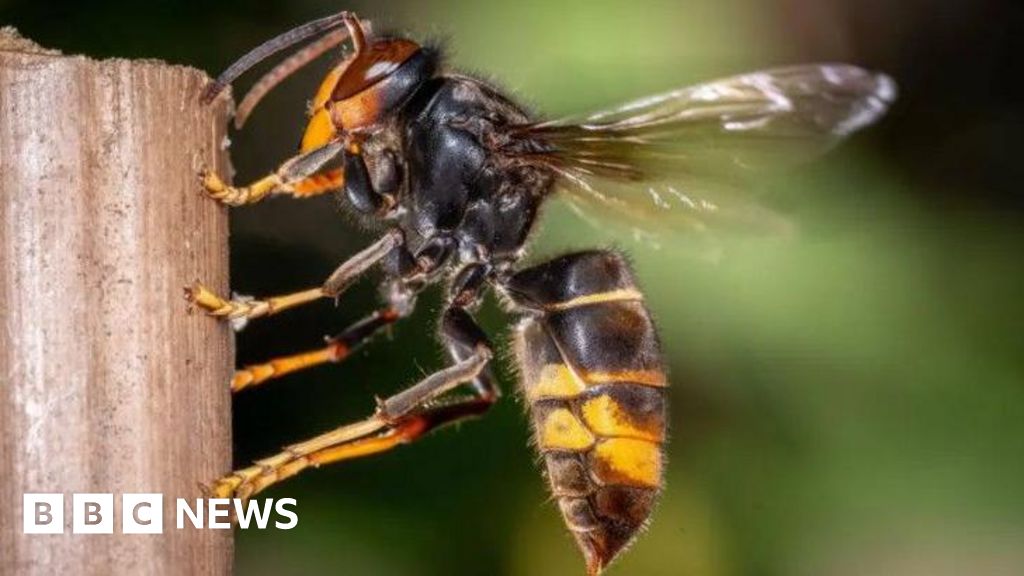
Beyond environmental concerns, the Asian hornet also presents a public safety risk. While generally not aggressive unless their nest is disturbed, they can sting, and like other social wasps, will aggressively defend their nests if threatened. Therefore, people are strongly cautioned against attempting to disturb or remove nests themselves. Instead, the clear directive is to report any suspected sighting or nest via the new online map and allow trained professionals to handle the situation safely and effectively. The hornets are distinctive: slightly smaller than native European hornets, they have a predominantly black body with a single prominent yellow band on the fourth abdominal segment, yellow legs, and an orange face. This contrasts with the European hornet’s more yellow and brown striped abdomen and reddish-brown legs.
The new reporting platform represents a significant upgrade from previous methods, which often involved emails or phone calls. While these methods were effective to a degree, they lacked the real-time, visual, and geographically precise data capture capabilities of the new map. This centralisation of data is not just about efficiency in response but also about building a comprehensive understanding of the hornet’s distribution patterns, preferred nesting sites, and migratory habits within Jersey. Such data is invaluable for long-term strategic planning and resource allocation.
The Jersey Asian Hornet Group, comprised of dedicated volunteers, plays an indispensable role in the wider strategy. These individuals often undertake training, deploy monitoring traps during key periods (especially in spring to catch queens), and assist the Biosecurity team with ground-level investigations and public awareness campaigns. Their commitment, combined with the technological prowess of the new map, creates a formidable defence against the invasive species. The reporting tool effectively transforms ordinary citizens into active participants in a crucial citizen science initiative, empowering them with a direct means to contribute to the island’s biosecurity.
The ultimate goal of Jersey’s comprehensive Asian hornet strategy is not just containment, but where possible, eradication. By intercepting queens in spring, destroying primary nests, and diligently tracking all sightings, the island hopes to significantly reduce the hornet population and mitigate its devastating impact on biodiversity. This proactive and community-driven approach, now bolstered by cutting-edge digital tools, positions Jersey at the forefront of invasive species management within the Channel Islands and sets a commendable example for other regions facing similar ecological threats. The success of this initiative now largely hinges on the active participation and vigilance of every islander, ensuring that the new map becomes a powerful weapon in safeguarding Jersey’s natural heritage.



 George Anjay
 Nakalama John
 atisusanti
 Ramos Leo