atisusanti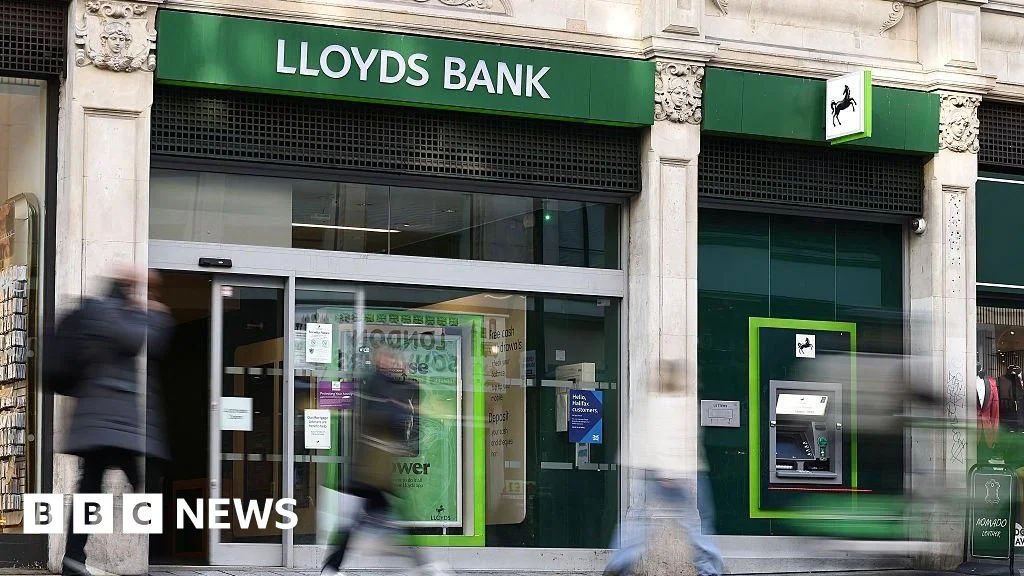
In a significant data exposure incident that has raised concerns about the security and reliability of modern digital banking, Lloyds Banking Group has revealed that an IT glitch on March 12th impacted nearly half a million customers across its Lloyds, Halifax, and Bank of Scotland brands. The breach, which allowed some customers to view the transactions of others or had their own sensitive data erroneously exposed, has led to a detailed inquiry by the Treasury Select Committee.
The full extent of the disruption was detailed in a letter from Lloyds Banking Group’s consumer relations boss, Jasjyot Singh, to the Treasury Select Committee, published on Friday. The group disclosed that a total of 447,936 customers were affected by the incident. A substantial portion of these, 114,182 customers, inadvertently viewed the transactions of other individuals. This viewing could have included highly sensitive personal information such as bank account details, national insurance numbers, and payment references.
The bank has initiated a compensation process for those affected, providing "goodwill payments" totalling £139,000 to 3,625 customers as of March 23rd. This averages out to approximately £38.34 per customer, a figure that, while intended to assuage distress, may be perceived as modest given the nature of the data exposed. Lloyds stated that these payments are part of their standard practice to compensate individuals who experience distress or inconvenience due to system issues.
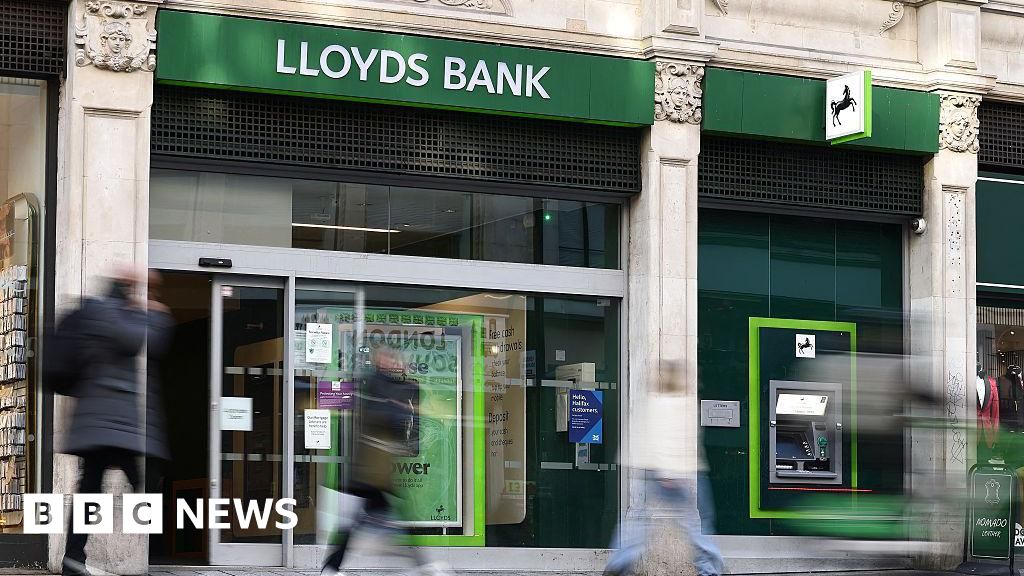
The IT failure originated from a "software defect" that was introduced into the bank’s systems during an overnight IT update. The glitch manifested in customer applications, leading to a distressing experience for many. One affected customer, who wished to be identified only as Asha, described feeling "panicked" and "almost traumatised" after seeing unfamiliar transactions on her app. These transactions appeared to mirror the exact amounts in her own bank account, leading her to fear she had been hacked or that fraud had occurred. "I genuinely thought someone had cloned my details," she recounted to the BBC. "One transaction was by someone who bought a car. I thought they’d spent £8,000 of my money."
The incident underscores the inherent trade-offs in modern banking, as highlighted by Dame Meg Hillier, Chair of the Treasury Select Committee. She commented that while digital banking offers unprecedented convenience and speed, allowing customers to perform a multitude of tasks on their phones almost anywhere, it also exposes them to the risk of "unpredictable errors" in the underlying technology. "Modern banking methods mean we can now perform a variety of tasks on our phones in a matter of seconds, and almost anywhere," Dame Meg stated. "What this incident brings into focus is the fact that there is a trade-off." She emphasized the importance of transparency from financial institutions when such errors occur, a principle her committee consistently advocates for.
The fallout from the glitch has attracted the attention of financial regulators. Lloyds Banking Group has committed to cooperating fully with the Financial Conduct Authority (FCA) and the UK’s data protection watchdog, the Information Commissioner’s Office (ICO). The FCA confirmed it is "actively engaging" with the bank, stating, "We take events that impact customer accounts and their data seriously and expect firms to ensure customers are not disadvantaged from any disruption to service." The ICO also confirmed it was making enquiries with Lloyds regarding the incident at the time of the glitch.
Further details revealed in the letter indicate that some customers may have also seen transaction information pertaining to individuals who are not customers of any Lloyds Banking Group entity. This could occur, for instance, when a customer of Lloyds makes a payment to an account held at a different bank.
Lloyds Banking Group, as the UK’s largest retail and commercial banking provider, serves approximately 26 million customers. The scale of its operations amplifies the potential impact of any system failures. The bank has assured the Treasury Select Committee that it has launched an immediate investigation into the cause of the incident.
The incident serves as a stark reminder of the critical need for robust cybersecurity measures and rigorous testing protocols within the financial sector. While digital transformation has brought numerous benefits to consumers, it also introduces complex vulnerabilities that can have far-reaching consequences. The transparency and swift remediation efforts by banks are paramount in maintaining customer trust and confidence in the digital financial ecosystem. The ongoing investigations by regulatory bodies will likely lead to a review of existing security frameworks and potentially new guidelines to prevent similar occurrences in the future. The Treasury Select Committee’s continued scrutiny highlights the persistent focus on consumer protection within the evolving landscape of financial services. The incident also raises questions about the adequacy of the current compensation mechanisms for data breaches, particularly concerning the emotional and psychological impact on affected individuals, beyond purely financial redress.



 Roy Suryo