
 Ramos Leo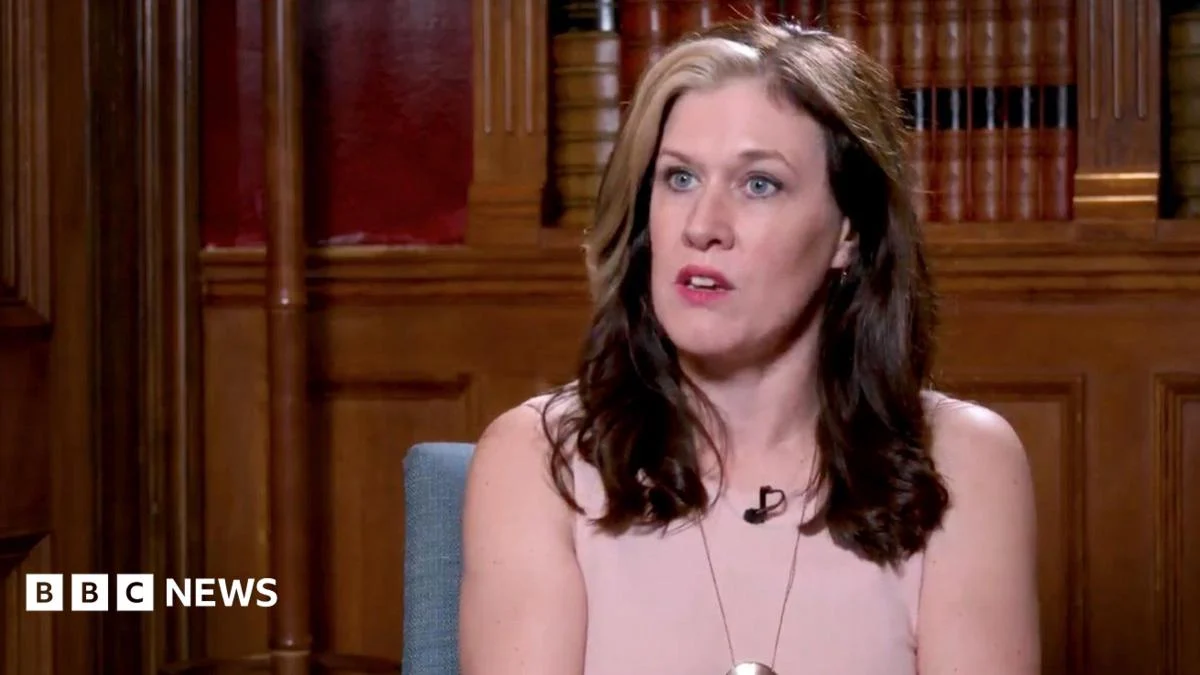
Natalie Fleet, the Labour MP for Bolsover, has announced her immediate resignation as Safeguarding Minister, citing the "overwhelmingly triggering" nature of the role which she revealed was making her seriously ill. The impactful decision, disclosed in an interview with the BBC, sends ripples through the nascent administration of Prime Minister Andy Burnham and highlights the immense personal toll that high-profile public service can exact, especially on those with lived experience of trauma.
Fleet, who bravely shared her own harrowing experiences of being groomed and raped as a teenager, confirmed she informed Prime Minister Burnham’s new team that she "sadly couldn’t stay" in the demanding position. Describing her departure as the "bravest thing I’ve ever done," she expressed unwavering support for her eventual successor, acknowledging the critical importance of the portfolio she now leaves vacant.
Her appointment to the safeguarding brief on May 12 this year came amidst a significant shake-up in government, following the unexpected resignation of Jess Phillips. Phillips, a prominent advocate for women’s rights, had previously served in the role and cited that opportunities for progress had been "stalled and delayed" under the leadership of then-Prime Minister Sir Keir Starmer. Fleet’s entry into the role was initially seen as a powerful statement, bringing a survivor’s perspective directly to the heart of government policy on protecting vulnerable individuals. Many had hoped her unique insights would galvanize efforts to tackle issues like sexual abuse, domestic violence, and online harms.
Announcing her departure on the social media platform X, Fleet’s message was succinct but poignant: "Honour of lifetime to be minister for safeguarding. Quickly found contents overwhelmingly triggering." She added a powerful justification for her decision, stating, "Victims deserve someone at their best." This sentiment underscores the profound conflict she faced between her dedication to public service and the imperative to protect her own mental well-being. The raw honesty of her post resonated immediately, drawing a wave of supportive messages from colleagues, constituents, and survivor communities across the nation.
In her subsequent interview with BBC News, Fleet elaborated on the profound impact the ministerial responsibilities had on her. She explained that the very nature of being Safeguarding Minister means "you hear the worst of humanity" on a daily basis. This exposure, she clarified, wasn’t just to statistics or policy documents, but to the visceral, often harrowing details of abuse, exploitation, and neglect that cross a minister’s desk. For someone like Fleet, who has publicly detailed her own journey through trauma, this constant immersion proved to be an unbearable burden. "I understand what it is like not to be seen and not to be heard," she stated, emphasizing her deep empathy for victims, an empathy that paradoxically made the job unsustainable for her.
"I know how important this job is and I know how much it needs a good and competent minister," she continued, her voice tinged with regret but also resolute conviction. "It quickly became apparent how ill it was making me." This candid admission laid bare the intense personal struggle she had been enduring, highlighting that even with the strongest will and the deepest commitment, the human psyche has its limits, especially when confronted with echoes of one’s own past pain.
Fleet confirmed that she had received support from the Home Office during her brief tenure, a standard provision for ministers in demanding roles. However, she emphasized that even with professional assistance, the sheer volume and graphic nature of the information she was exposed to were overwhelming. "But even with that [support] the nature of the job means that you hear the worst of humanity," she explained. "Anybody would struggle hearing that but not everyone would react in the same way as someone who has gone through what I have." This distinction is crucial, underscoring that while the role is challenging for anyone, it presents an entirely different, almost insurmountable, hurdle for survivors. The constant re-exposure to trauma narratives, even in a professional capacity, can lead to secondary trauma or exacerbate existing post-traumatic stress.
Despite the personal cost, Fleet spoke with immense pride about her time in the role. "For me it is one of the most important jobs in government. It was the honour of my life to be able to do it," she affirmed. "Nothing can compare to being asked to make a difference to the lives of women and girls. It was incredible." This statement powerfully conveys the deep sense of purpose that initially drove her to accept the position, and the profound regret she feels at having to step away. Her desire to be a voice for the voiceless and to enact tangible change for survivors was palpable, making her decision all the more heartbreaking for herself and her supporters.
Natalie Fleet was elected as the Member of Parliament for Bolsover in July 2024, a significant victory that saw her succeed Labour stalwart Dennis Skinner, often known as the "Beast of Bolsover," who had held the seat for over 50 years. Her election was hailed as part of a new wave of Labour talent, bringing fresh perspectives and diverse experiences to Westminster. In her maiden speech in the House of Commons in October 2024, Fleet spoke passionately about her "duty" to speak up for women in her Derbyshire constituency "whose stories are not being told." She vowed to champion the vulnerable, fight for better mental health services, and ensure that survivors of abuse received the justice and support they deserved. Her speech was deeply personal, setting the tone for her parliamentary career as one rooted in advocacy and lived experience.
Fleet has been remarkably open about her experiences as a teenager, sharing her story in various public forums, including a powerful interview with GB News earlier in 2024. In that interview, she recounted becoming pregnant at the age of 15 after being groomed and raped by an older man. She spoke movingly about the lasting impact of this trauma, revealing that she still experiences "weekly nightmares" about what transpired. "I didn’t know we were having unprotected sex," she told the broadcaster, emphasizing her youth and vulnerability at the time. "I was a child and (it) is statutory rape." Her courage in sharing these intimate details was widely praised, helping to destigmatize the experiences of other survivors and highlight the long-term consequences of childhood sexual abuse.
The MP shared that she ultimately gave birth to her daughter, whom she described as the "absolute love of my life." This detail adds another layer of profound personal context to her story, demonstrating not only her resilience but also the enduring connection between her past trauma and the present realities of her life. Her public sharing of such a deeply personal and painful journey has made her a powerful voice for survivors, resonating with countless individuals who have faced similar challenges.
Fleet’s resignation creates an immediate challenge for Prime Minister Andy Burnham, who must now swiftly find a successor for one of the most sensitive and crucial ministerial roles. The incident underscores the critical need for robust support systems for all public servants, particularly those in roles that demand exposure to profound human suffering, and raises questions about how best to harness the invaluable lived experience of survivors without inflicting further harm. For Natalie Fleet, stepping down is not a failure of duty, but a powerful act of self-preservation and a stark reminder that even the strongest advocates must first safeguard themselves. Her courage in speaking out, both about her past and her present struggles, continues to shine a vital light on issues that too often remain in the shadows.



 Roy Suryo

 Nakalama John
 atisusanti
