
 Roy Suryo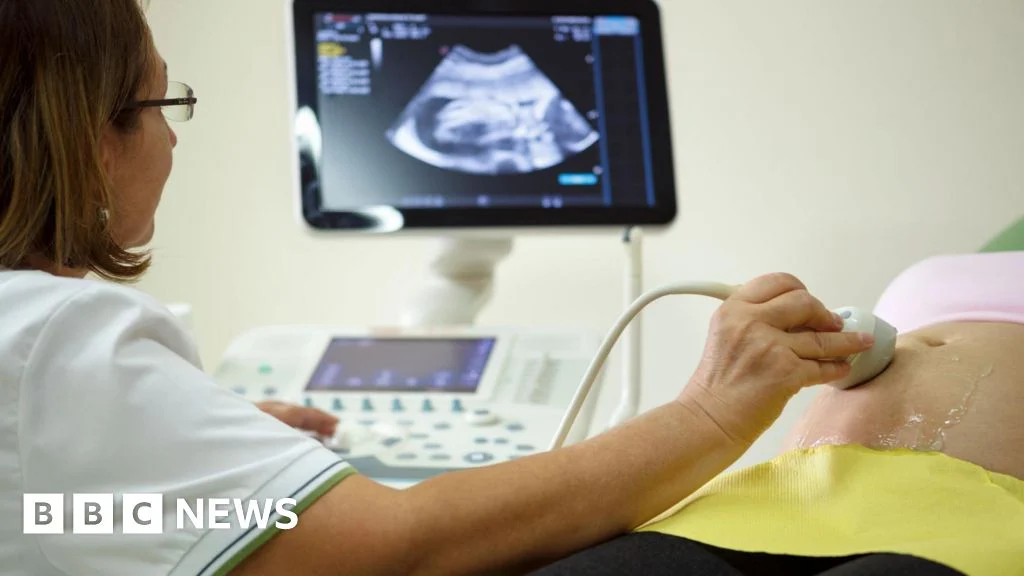
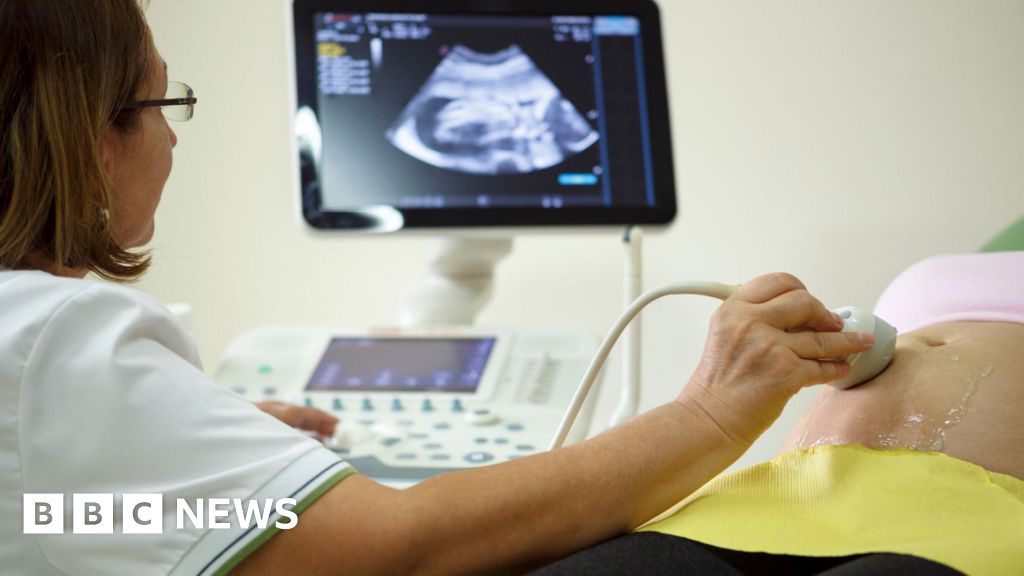
Ultrasound delays are jeopardizing the health of pregnant women and cancer patients across the UK, with sonographers issuing stark warnings about the critical shortage of staff impacting vital diagnostic services. The Society of Radiographers, representing these highly skilled professionals, reveals that a staggering one in four sonographer posts in England are currently vacant, a figure that escalates dramatically in regions like the North West and South East of England. This widespread deficit is not only hindering routine antenatal care, including crucial 12 and 20-week scans, but is also impeding the timely diagnosis and monitoring of various cancers.
The demand for ultrasound services has surged significantly within the NHS, yet the pipeline for training new sonographers has not kept pace, leading to an unsustainable pressure on existing staff and a growing backlog of appointments. Pregnant women, who are typically offered at least two essential scans to monitor fetal development, assess growth, and screen for potential health conditions affecting the brain, heart, and spinal cord, are now facing extended waiting times. For those with more complex pregnancies requiring additional monitoring, these delays can exacerbate anxiety and potentially compromise the early detection of serious issues.
Katie Thompson, President of the Society of Radiographers and a practising sonographer, highlighted the particular impact on urgent, short-notice scans. "If somebody’s coming in with concerns about their pregnancy, about their baby, they would like to be scanned that day, if possible," she stated, emphasizing that this is increasingly unattainable in many NHS trusts. The consequence is a period of agonizing uncertainty for expectant mothers, a situation Thompson described as "not good to have in pregnancy." In some instances, departments are so stretched that they are forced to pull sonographers from other essential services to maintain antenatal care, creating a domino effect of service disruption.
The implications of these delays extend far beyond maternity services. Ultrasounds are a cornerstone of cancer diagnosis, playing a critical role in identifying and assessing abnormalities in organs such as the liver, kidneys, and spleen. Sonographers report that cancer patients are also experiencing significant waiting times for these scans, a situation they describe as "really dangerous for the patient," as early diagnosis is paramount in improving treatment outcomes and survival rates.
Dr. Jenny Barber, a consultant obstetrician and Vice President for Clinical Quality at the Royal College of Obstetricians and Gynaecologists, echoed these concerns, labelling the high vacancy rate as "very concerning." She pointed out that doctors are increasingly managing pregnancies with greater complexity, making the timely availability of diagnostic imaging even more crucial. Dr. Barber called for "meaningful investment in the maternity workforce" to address the escalating crisis.
A comprehensive census of sonographers conducted by the Society of Radiographers, which surveyed over 110 NHS ultrasound departments across the UK, revealed that staff shortages are not confined to England. Vacancy rates are also a significant issue in Wales, Scotland, and Northern Ireland. In England, the number of sonographers stands at 1,821, but the vacancy rate has doubled since 2019, soaring from 12% to 24%. The situation is particularly acute in the South East of England, where a substantial 38% of sonographer posts are unfilled, followed closely by the North West with 30% vacancies. The North East and Yorkshire region fares slightly better, with 11% unfilled posts.
Several factors contribute to this critical staffing shortfall. The Society of Radiographers attributes the exodus of sonographers from the NHS to a combination of limited career progression opportunities, comparatively low pay, and the allure of better prospects in the private sector. Training new sonographers is a lengthy and intensive process, meaning that the supply of qualified professionals cannot be rapidly augmented to meet the burgeoning demand. Thompson also expressed frustration over the protracted publication of the NHS workforce plan, which is intended to outline future staffing strategies. While a plan for cancer care has been released, the absence of a comprehensive workforce strategy for other essential services, including diagnostics, hinders effective planning and recruitment.
"You can’t say that you’re going to invest in all these new scanners and open all these community diagnostic centres unless you’ve thought about the professionals who are going to conduct the scans and provide patient care," Thompson cautioned, emphasizing the interconnectedness of infrastructure development and workforce capacity.
In response to the growing pressure on diagnostic services, a spokesperson for the Department of Health and Social Care in England acknowledged the challenges facing the sonography workforce. The government stated that it is actively implementing measures to ensure the NHS is equipped with the necessary skilled staff to manage rising demand and deliver timely patient care. Initiatives such as the rollout of new community diagnostic centres and the expansion of opening hours are underway. These measures are designed to alleviate pressure on busy hospitals by providing accessible diagnostic services closer to patients’ homes within their local communities, aiming to improve efficiency and patient experience. However, the core issue of insufficient sonographer numbers remains a significant hurdle to overcoming the systemic delays. The success of these new centres hinges on the availability of adequately trained professionals to operate the diagnostic equipment and interpret the results, underscoring the urgent need for a robust recruitment and retention strategy for sonographers. Without addressing the root cause of the staff shortage, the long-term effectiveness of these initiatives may be compromised, leaving vulnerable patients, particularly pregnant women and those awaiting cancer diagnoses, facing continued uncertainty and potential risks. The current situation paints a concerning picture of a vital diagnostic service stretched to its limits, with profound implications for patient safety and the overall quality of care within the NHS. The call for investment in training, improved working conditions, and competitive remuneration for sonographers is becoming increasingly urgent as the consequences of these delays become more apparent.




 George Anjay
 Nakalama John
 atisusanti
 Ramos Leo
 Nana Banana