
 Nana Banana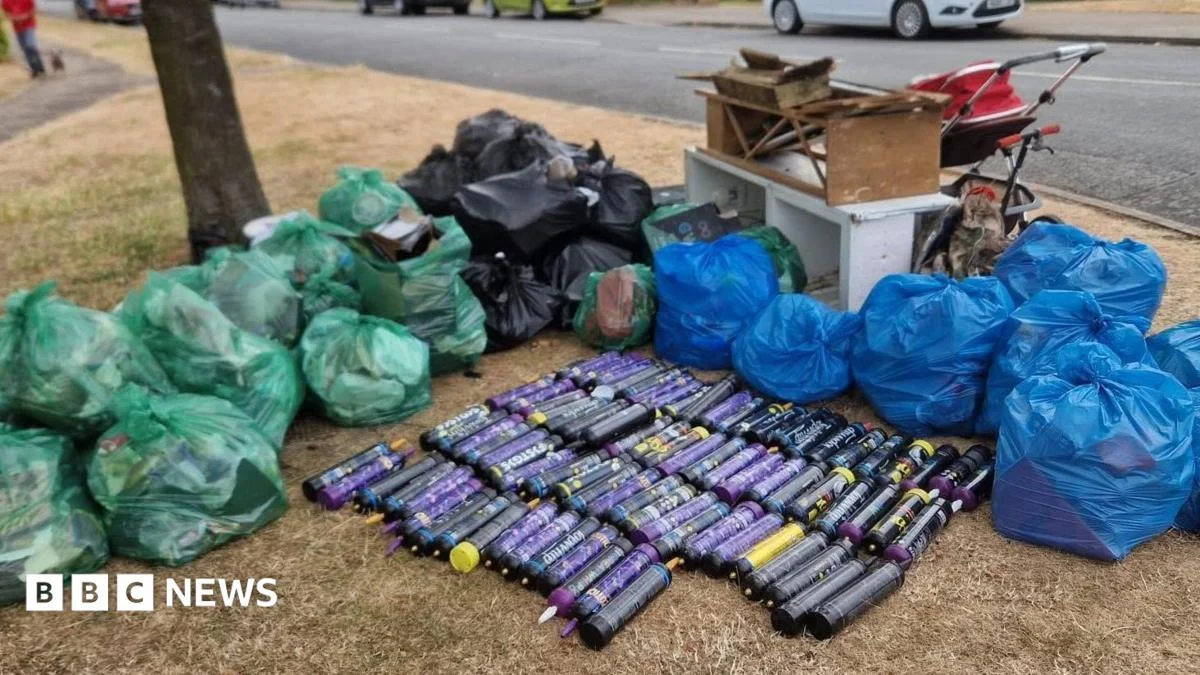
The Norman Road Car Park, a location often frequented by both legitimate users of the car park and, unfortunately, those engaged in anti-social behaviour, presented a stark scene. Volunteers described finding the small, metallic canisters scattered across the ground, tucked into bushes, and discarded alongside other litter, painting a clear picture of recent and repeated misuse. This particular area, according to Harry Machin from the Peterborough Litter Wombles, is one of several identified hotspots where volunteers regularly encounter a disturbing array of nitrous oxide paraphernalia, indicating a concentrated pattern of activity rather than isolated incidents.
Machin elaborated on the nature of these finds, stating, "Some of them [canisters] are historic, but an awful lot of them we find are current." This observation highlights the persistent and evolving nature of the problem, with new canisters continually appearing even as older ones remain. The distinction between historic and current litter is crucial, suggesting that despite increasing awareness and stricter regulations, the misuse of nitrous oxide continues unabated. The scale of this latest discovery was particularly alarming for the seasoned volunteers. Machin noted that while collecting between three and 12 canisters is a more typical average during a single litter-picking session, "This 82 was off the scale," reflecting a level of consumption far exceeding their usual encounters.
Furthermore, a concerning trend has emerged, as volunteers are increasingly encountering larger canisters rather than the smaller, silver versions that were once more commonplace. These larger units, often resembling small fire extinguishers, contain a significantly greater volume of nitrous oxide, allowing for prolonged or more intense inhalation sessions. This shift suggests that users may be seeking a more potent or cost-effective method of consumption, potentially leading to increased health risks and a greater volume of litter. The presence of larger canisters also hints at a more organised supply chain or bulk purchases, moving beyond individual small recreational use to a more entrenched pattern.
Nitrous oxide, while having legitimate medical and industrial applications – notably as an anaesthetic in dentistry and for whipping cream in catering – has become a prevalent recreational drug duedue to its ease of access and the short-lived euphoric effects it produces. Inhaling the gas can induce a brief sense of euphoria, giddiness, and distorted perceptions. However, the misuse of N2O carries significant health risks. Short-term dangers include dizziness, disorientation, impaired judgment, loss of coordination, and fainting, which can lead to serious falls and injuries. Inhalation directly from a canister can also cause frostbite to the mouth, throat, and lungs due to the gas’s extreme coldness upon release.
The long-term health implications are even more severe. Chronic misuse can lead to a deficiency in vitamin B12, which is crucial for nerve function. This deficiency can result in nerve damage, leading to numbness, tingling, weakness, and even paralysis in severe cases. Other potential neurological effects include memory loss and cognitive impairment. In rare but tragic instances, inhaling large quantities of nitrous oxide can lead to hypoxia (lack of oxygen to the brain), resulting in unconsciousness, brain damage, or even death, particularly if mixed with other substances or inhaled in an enclosed space. The growing prevalence of larger canisters only amplifies these risks, as users are exposed to higher concentrations and volumes of the gas.
Legally, nitrous oxide has been classified as a Class C drug under the Psychoactive Substances Act 2016, making it illegal to produce, supply, or import it for human consumption. While possession was previously not illegal in most circumstances, a significant legislative shift in November 2023 saw the government ban possession of nitrous oxide, making it a criminal offence punishable by an unlimited fine and/or a prison sentence of up to two years. This change aimed to deter recreational use and address the associated anti-social behaviour and public health concerns. Despite these legal measures, the findings by the Litter Wombles indicate that enforcement and deterrence remain significant challenges.
The environmental impact of discarded canisters is equally concerning. Made primarily of steel or aluminium, these canisters are non-biodegradable and persist in the environment for hundreds of years if not properly disposed of. They contribute to general litter, detracting from the aesthetic appeal of public spaces, parks, and natural areas. Beyond being an eyesore, the sharp edges of broken or crushed canisters can pose a physical hazard to people, pets, and wildlife. The cost of cleaning up such litter falls on local authorities and volunteer groups, diverting resources that could be used for other community improvements.
Cambridgeshire Police confirmed the severity and scale of the issue, stating that the force had disposed of 972 canisters over the past 12 months across the county. This figure, averaging over 80 canisters per month, underscores a persistent and widespread problem that demands significant police resources for collection and safe disposal. The police also corroborated the observations of the Litter Wombles, confirming that officers had noticed a discernible rise in the larger canisters being discarded. This dual confirmation from both community volunteers and law enforcement paints a clear picture of an escalating trend in nitrous oxide misuse.
The presence of such extensive drug paraphernalia in public spaces has broader societal implications. It contributes to a general sense of disorder and neglect, potentially fostering other forms of anti-social behaviour. Residents may feel less safe, and the reputation of affected areas can suffer. For volunteer groups like the Peterborough Litter Wombles, who dedicate their time and effort to improving their community, encountering such significant quantities of drug-related waste can be disheartening, though it only strengthens their resolve. Their work is invaluable, not only in physically cleaning up the environment but also in raising awareness about pressing local issues.
Addressing this multifaceted problem requires a comprehensive approach involving various stakeholders. Enhanced police patrols in known hotspots, coupled with intelligence gathering to target suppliers, are crucial for enforcement. Local authorities can implement public awareness campaigns, particularly aimed at young people, to educate them about the serious health risks and legal consequences associated with nitrous oxide misuse. Collaboration with schools, youth clubs, and community organisations can help disseminate this vital information effectively.
Retailers also have a critical role to play. While legitimate sales of nitrous oxide for catering or medical purposes are permissible, preventing sales to individuals suspected of recreational misuse or to minors is paramount. Stricter age verification processes, limiting bulk purchases, and training staff to identify suspicious buying patterns can help curb the supply. Furthermore, promoting responsible disposal methods for legitimate users and providing accessible recycling facilities could mitigate some of the environmental impact. Urban planning considerations, such as improved lighting, CCTV installation, and reducing secluded areas in known hotspots, can also act as deterrents.
Ultimately, the discovery of 82 nitrous oxide canisters in a single day by the Peterborough Litter Wombles serves as a potent reminder of an ongoing and evolving public health and environmental challenge. It highlights the dedication of volunteer groups who work tirelessly on the front lines, confronting the tangible consequences of drug misuse. The issue demands continued vigilance, robust enforcement, proactive education, and a collective commitment from law enforcement, local authorities, businesses, and the community to safeguard public health, maintain environmental integrity, and ensure the safety and well-being of all residents in Peterborough and beyond.




 Roy Suryo

 Nakalama John
 atisusanti
 Ramos Leo
