Nana Banana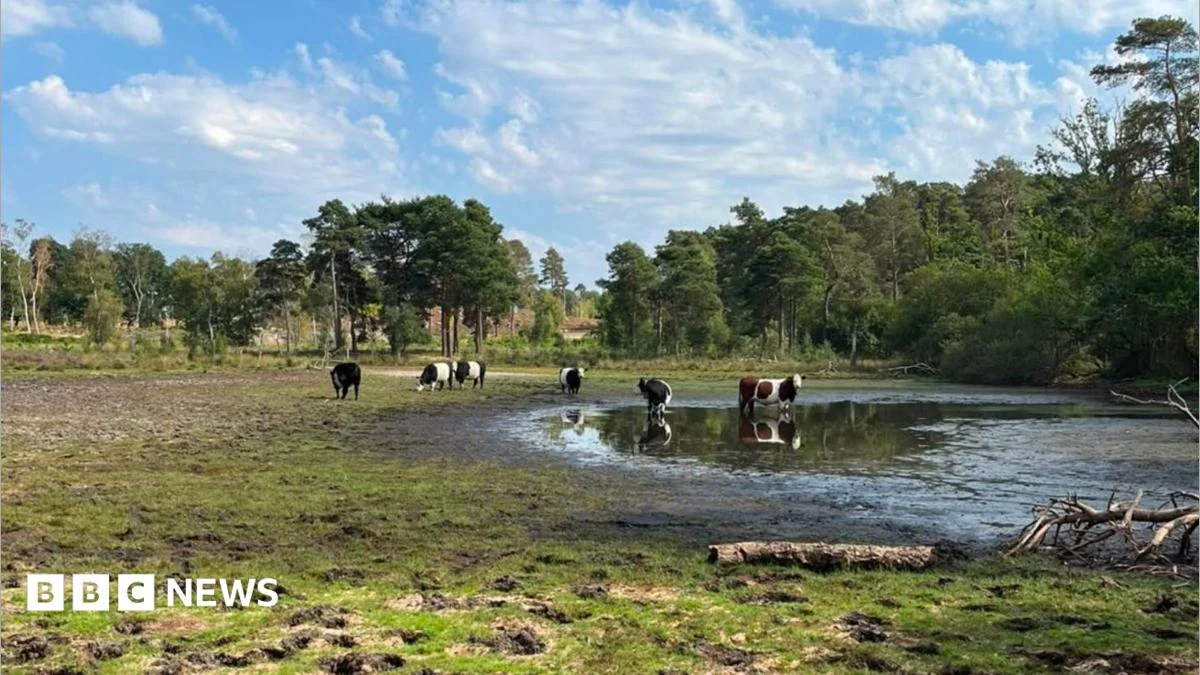
Surrey Wildlife Trust (SWT), a charity dedicated to protecting wildlife and wild places in Surrey, has been closely monitoring the situation. James Herd, the director of reserves management at SWT, brings 17 years of experience to his role, and his assessment paints a stark picture. "I have never seen the pond so low in that time," Herd admitted, his words carrying the weight of professional observation and deep familiarity with the land. He described the drying pond as "a very obvious visual indication of the scale of the drought," a palpable sign of environmental stress for anyone visiting the area.
The severity of the situation at Pond Farm is not an isolated incident but a localised manifestation of broader climatic trends. The UK has recently endured its fifth heatwave of the year, a series of extreme weather events that have pushed temperatures to record highs and left many regions parched. Meteorological stations at Wisley, strategically located to monitor local conditions, have reported an even more alarming statistic: no significant rainfall has been recorded for over 50 consecutive days. This extended period of aridity, coupled with intense heat, has placed immense pressure on natural water sources, including the crucial pond at Pond Farm. While forecasters predicted a slight cooling trend over the recent weekend, the cumulative impact of such a prolonged dry spell is deep-seated and will persist long after temperatures return to seasonal norms.
The ecological consequences of the drying pond are already evident and concerning. Herd noted "signs of struggle" among the diverse array of plants and trees that rely on the pond and its surrounding moisture. He elaborated, "In some habitats, we are seeing trees with leaves coming off like autumn has set in… it’s a self-protective measure." This premature leaf-shedding is a desperate survival strategy employed by deciduous trees to reduce water loss through transpiration, essentially shutting down their metabolic processes to conserve what little moisture remains. Such widespread physiological stress can weaken trees, making them more susceptible to disease, pests, and future environmental shocks, potentially leading to long-term decline in woodland health.
Pond Farm itself is situated on lowland heathland, a habitat type of significant ecological importance and rarity. Lowland heathlands are characterised by acidic and nutrient-poor soils, supporting a unique assemblage of specialist flora and fauna. These include iconic species such as heather, gorse, and bell heather, alongside rare reptiles like sand lizards and smooth snakes, ground-nesting birds such as nightjars and woodlarks, and a host of specialised invertebrates. Water features within these heathlands, like the pond at Pond Farm, serve as vital oases, providing essential breeding grounds for amphibians (frogs, toads, newts), dragonflies, and other aquatic insects, as well as crucial drinking water for birds and mammals. The loss of this water source thus poses a direct threat to the intricate web of life sustained by this fragile ecosystem. The drying up of the pond means the loss of breeding sites for amphibians and insects, increased competition for scarce water resources for other animals, and potentially higher mortality rates for young wildlife.
Herd’s observations extend beyond the immediate crisis, prompting a call for proactive measures to prepare for a future defined by more extreme weather patterns. He firmly believes that this summer’s drought is "not a one-off" event. "Sceptical or not, the data shows that we are getting more extremes," Herd asserted, aligning with broader scientific consensus on climate change. The Intergovernmental Panel on Climate Change (IPCC) and other leading climate science bodies consistently project an increase in the frequency and intensity of extreme weather events, including prolonged droughts and heatwaves, across many regions of the world, including the UK. This necessitates a shift in conservation strategy from reactive responses to proactive climate resilience building.
A key focus for SWT, particularly in managing precious lowland heathland, is the desire to enhance water retention across these landscapes. Herd explained that enabling the land to hold more water, especially in preparation for the typically drier summer months, is crucial for bolstering the resilience of these habitats. Increased water retention offers multiple benefits: it mitigates the impact of droughts, reduces the risk of devastating heathland fires (which are more prevalent in dry conditions), supports a greater diversity of plant and animal life, and helps to maintain the delicate ecological balance of these rare environments.
One of the most innovative and nature-based solutions being actively explored by the Surrey Wildlife Trust to achieve this aim is the reintroduction of beavers. "They will do the rewetting work for us… we should look to nature to help us cope better," Herd passionately argued. Beavers, often referred to as "ecosystem engineers," possess an unparalleled ability to modify their environment through dam building. Their dams slow down water flow, create extensive wetland habitats, raise water tables, and diversify the landscape. This creates a mosaic of ponds, channels, and marshy areas that can hold significant amounts of water, even during prolonged dry spells, effectively ‘rewetting’ the landscape.
The reintroduction of beavers to the UK is a significant conservation story. These native mammals were hunted to extinction in Britain about 400 years ago, primarily for their fur, meat, and castoreum (a scent gland secretion used in perfumes and medicine). Their absence has had a profound, albeit often unrecognised, impact on the natural hydrology and biodiversity of British landscapes. In recent years, successful reintroduction projects in other parts of the UK, such as the River Otter in Devon and Knapdale in Scotland, have demonstrated the remarkable positive effects beavers can have on local ecosystems. They have been shown to improve water quality, reduce flood risk downstream by slowing water flow, create habitats for a wide range of other species, and enhance overall biodiversity.
Last year, the Surrey Wildlife Trust confirmed its serious consideration of applying for a licence to release beavers into the county. This commitment reflects a growing understanding within conservation circles of the powerful role these animals can play in ecological restoration and climate adaptation. While the reintroduction has yet to materialise, Herd confirmed that "positive conversations with Natural England are ongoing." Natural England, the government’s adviser for the natural environment, plays a critical role in evaluating such licence applications, considering factors such as ecological suitability, potential impacts on human activities (e.g., agriculture, infrastructure), and public acceptance. The process is rigorous, ensuring that reintroductions are carried out responsibly and with the best chances of success for both the beavers and the wider environment.
The plight of Pond Farm on Wisley Common serves as a poignant reminder of the escalating pressures facing Britain’s natural landscapes due to a changing climate. It highlights the urgent need for both immediate conservation efforts and long-term, nature-based solutions to build resilience. The Surrey Wildlife Trust, through its dedicated work and forward-thinking initiatives like beaver reintroduction, is at the forefront of these efforts, striving to protect and restore the vital ecosystems that sustain Surrey’s rich biodiversity for future generations. The dried-up pond is not just a visual spectacle; it is a call to action, demanding a renewed commitment to safeguarding our natural world against the "extremes" that are increasingly becoming the norm.




 George Anjay
 Nakalama John
 atisusanti
 Ramos Leo