Nana Banana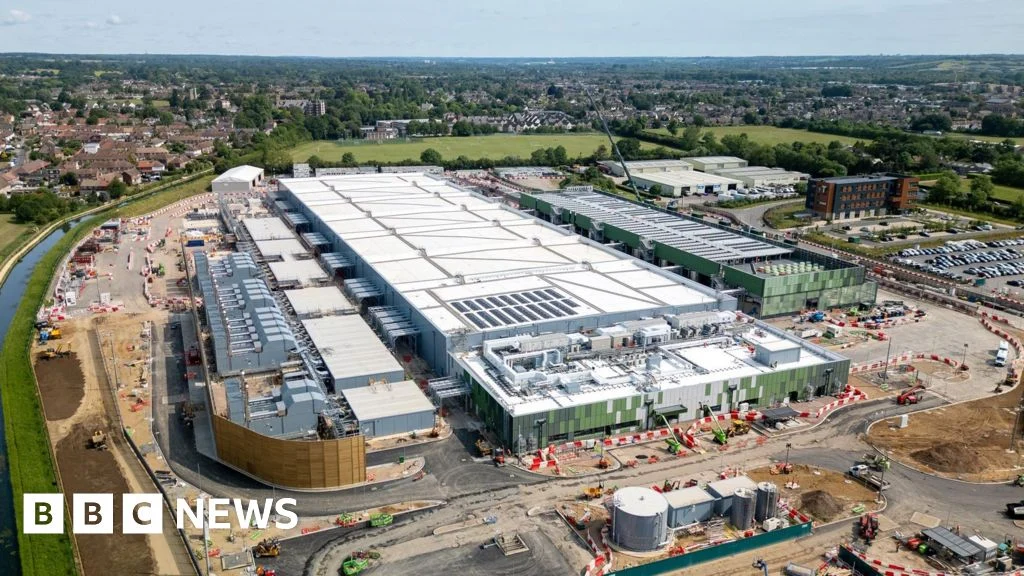
The heart of the issue lies within the UK’s electricity grid connection system. Currently, all new infrastructure projects, ranging from hospitals and factories to residential developments, must join a virtual queue to secure an essential electricity supply. This queue has become a significant bottleneck, with demand surging at an unprecedented rate. In the first half of 2025 alone, the queue experienced a staggering 460% growth, a phenomenon largely driven by the insatiable power requirements of nascent AI data centres. Consequently, many vital projects now face multi-year delays before they can even begin construction, stifling economic activity and development across various sectors.
The exponential rise in demand from AI is a key factor in this grid crunch. AI systems, with their intensive computational processing, vast server farms, and crucial cooling infrastructure, are inherently power-hungry. While digital services like banking and online gaming already account for 2% of the UK’s electricity demand through nearly 500 existing data centres, the advent of generative AI and other advanced machine learning applications promises to dramatically escalate this figure. The grid operator itself has warned that the electricity demand from data centres could increase by up to six-fold between now and 2050, putting immense pressure on an already stretched national infrastructure.
In November, Ofgem, the energy sector regulator, sounded a clear alarm, noting that the queue for electricity supply had swelled "past even the most ambitious forecasts for future demand." A significant part of the problem, Ofgem highlighted, was the prevalence of "speculative" projects – applications for grid connections from entities that lacked sufficient financing, proper planning permission, or even land rights. These speculative entries, often submitted by developers looking to secure a connection ahead of solid plans, effectively clog the system, pushing genuine, ready-to-build projects further down the queue and preventing them from delivering tangible economic and social benefits.
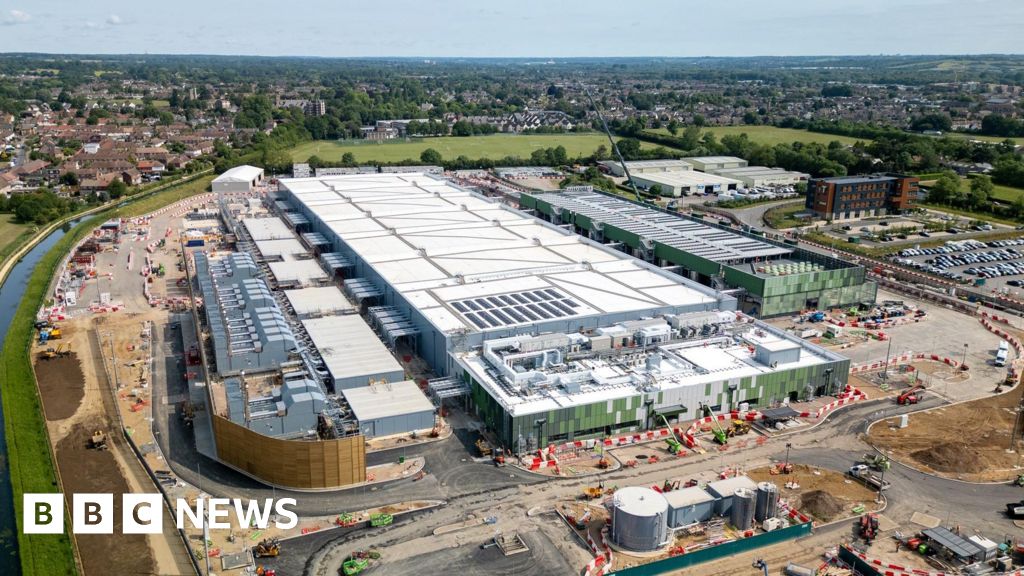
To tackle this growing crisis and unlock the potential of strategically important sectors, the government announced new proposals on Wednesday. The plan involves a consultation process to allow projects deemed "strategically important" to bypass the standard queue. This prioritisation would extend to crucial infrastructure such as AI facilities, electric vehicle (EV) charging hubs, and industrial sites committed to transitioning away from fossil fuels to electricity. The rationale behind these choices is clear: to maximise economic growth, create jobs, and accelerate the UK’s journey towards its net-zero emissions targets. AI Minister Kanishka Narayan underscored this ambition, stating, "Delivering data centres… relies on access to the grid. These timely reforms will help us move at pace, to seize AI’s potential to help build a wealthier and fairer Britain." Simultaneously, Ofgem is exploring options to tighten the rules for joining the grid queue in the first place, aiming to reduce the number of speculative applications.
However, the proposals have been met with strong criticism, particularly from the Home Builders Federation. Steve Turner, executive director at HBF, voiced deep concerns that new homes were conspicuously absent from the list of priority infrastructure. "As we continue to face into a housing crisis, it is frustrating that regulatory, planning and policy arrangements effectively prioritise energy intensive data centres over energy efficient homes for families," Turner stated. He warned that if housing connections were not prioritised, it would amount to an "effective moratorium on new homes in areas where capacity is constrained." This means that even if developers secure land and planning permission, the inability to obtain an electricity connection would halt construction, exacerbating the chronic housing shortage, pushing up prices, and making homeownership an even more distant dream for many.
The implications for housing and regional development are profound. The UK already struggles to meet its ambitious housing targets, and a grid connection bottleneck would severely undermine these goals. The London Assembly members had already issued a warning in December that parts of the capital were experiencing this very reality, with housing projects stalled due to electricity supply issues. Such delays not only impact the availability and affordability of homes but also have a significant economic ripple effect, leading to job losses in the construction sector, reduced local council tax revenues, and a slowdown in related industries that depend on new residential development. This frustration is compounded by the fact that data centres already receive preferential treatment in planning, having been designated critical national infrastructure, which often shields them from local objections.
Beyond the immediate queue management, this situation highlights deeper challenges facing the UK’s energy infrastructure. Supporting the immense energy demands of AI, alongside the broader decarbonisation of transport and industry, requires massive investment in grid upgrades, the construction of new transmission lines, and a substantial increase in clean energy generation capacity. The question of who bears the cost of these monumental upgrades – consumers, taxpayers, or the tech giants themselves – remains a complex and contentious issue. While Ofgem’s efforts to streamline the queue might offer some relief, they do not address the fundamental need for greater overall grid capacity, which is essential to prevent a zero-sum game between different critical infrastructure needs.
The government faces a delicate balancing act. On one hand, fostering AI innovation and leadership is a cornerstone of its economic strategy, requiring robust and reliable digital infrastructure. On the other hand, a thriving society and economy depend equally on a stable, affordable housing supply. Neglecting one in favour of the other risks creating profound social and economic dislocations. Potential solutions could involve more strategic spatial planning for data centres, incentives for AI companies to invest in energy-efficient technologies and localised renewable energy generation, or exploring advanced demand-side management strategies to ease grid strain.
In conclusion, the rapid expansion of AI presents both unparalleled opportunities for economic advancement and significant infrastructure hurdles for the UK. The proposal to prioritise AI data centres for electricity grid connections, while seemingly a logical step to support technological leadership, has ignited a fierce debate about national priorities. The stark warning from home builders underscores the urgent need for a comprehensive and balanced national strategy that can simultaneously support cutting-edge innovation and address fundamental societal needs like housing, ensuring that digital progress does not come at the cost of community development and social well-being.



 George Anjay
 Ramos Leo