
 Ramos Leo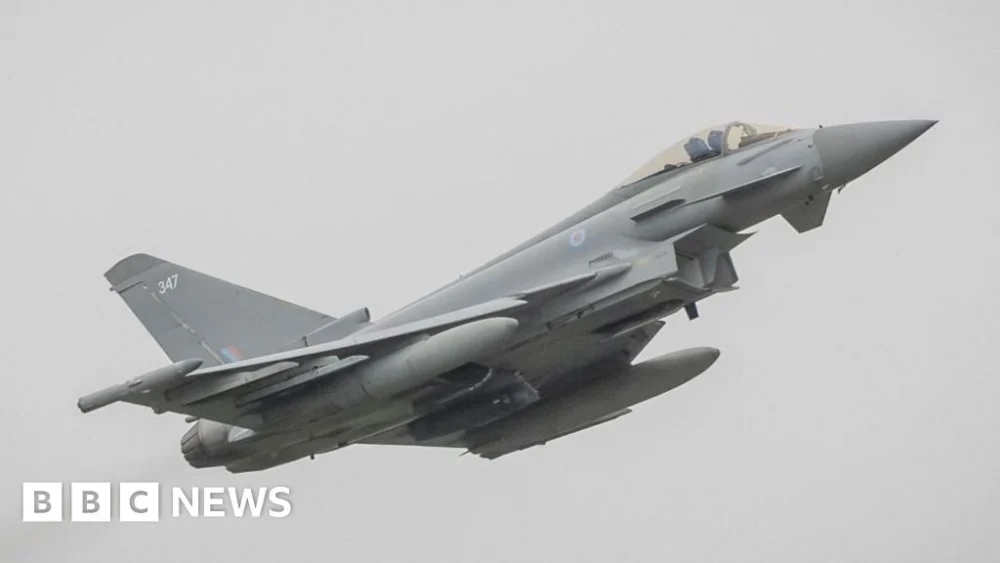
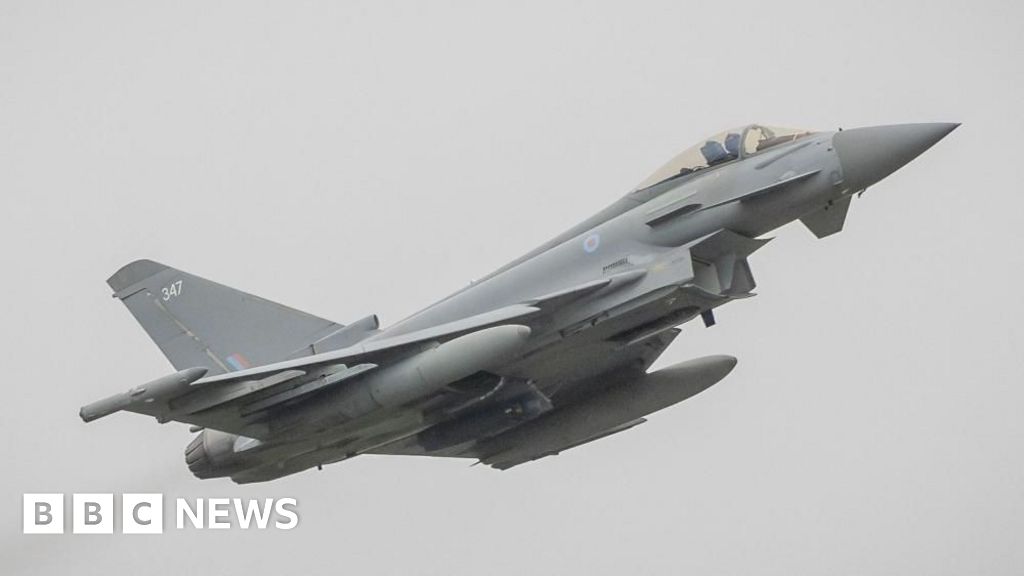
Royal Air Force Typhoon jets are now actively engaged in critical defensive operations over Bahrain, marking a significant escalation in the United Kingdom’s commitment to regional security amidst a rapidly intensifying conflict in the Middle East. The BBC has learned that two of the four advanced multi-role combat aircraft, initially deployed to Qatar, have been specifically reallocated to assist Bahraini forces in intercepting a relentless barrage of incoming drones. This redeployment comes as the complex and volatile regional conflict, described in official communications as the "US-Israel war with Iran," enters its second week, threatening wider instability across the Gulf.
The decision to station these formidable jets in Bahrain underscores the urgent need for enhanced air defence capabilities in the kingdom, a vital British ally and host to the U.S. Navy’s Fifth Fleet. Bahrain has found itself on the front lines of this escalating proxy conflict, facing persistent aerial threats that demand sophisticated interception technologies. The Eurofighter Typhoon, renowned for its agility, speed, and advanced radar systems, is ideally suited for this critical air-policing role, providing a robust deterrent and a crucial layer of defence against sophisticated unmanned aerial systems (UAS).
Bahraini officials have painted a stark picture of the threats they face, revealing that an astonishing total of 190 incoming drones and 114 missiles have been intercepted since the conflict began. While a significant portion of these interceptions have been credited to Bahrain’s own indigenous air defences, the sheer volume and persistence of the attacks highlight the overwhelming challenge posed by modern drone warfare. The officials have voiced an urgent and pressing need for additional Short Range Air Defence (SHORAD) systems to effectively counter the continuous flow of hostile drones, which are proving to be a persistent and difficult-to-detect threat.
The impact of these attacks has been severe and immediate. Earlier this week, the country’s main airport fuel storage tanks suffered significant damage after being struck by an Iranian drone, a clear act of economic sabotage and a direct threat to civilian infrastructure. Even more tragically, Bahrain has reported the highest number of civilian casualties among Gulf nations from a single strike since the conflict commenced, with 23 civilians, including four children, reported injured on March 9th. These incidents underscore the indiscriminate nature of the attacks and the profound human cost of the escalating regional tensions, emphasizing the imperative for robust protective measures.
The UK’s military response is part of a broader diplomatic and strategic effort to de-escalate tensions and protect vital interests in the region. Foreign Secretary Yvette Cooper’s arrival in Saudi Arabia on Thursday signals the gravity of the situation and the UK’s commitment to multilateral dialogue. Her discussions in Riyadh are undoubtedly focused on addressing the continued concern about Iranian threats to the Strait of Hormuz, a critical maritime choke point through which a significant portion of the world’s oil supply passes. Any disruption to this artery for commercial shipping would have catastrophic global economic repercussions, making its security a paramount international priority.
The Defence Secretary, John Healey, provided an update on the intensity of UK operations, revealing on Thursday that RAF pilots have accumulated more than 300 flying hours over the previous 13 days. This extraordinary operational tempo highlights the continuous surveillance, readiness, and defensive patrols being conducted by British aircrews across the region. Brigadier Guy Foden, a senior British Army officer, further elaborated on the extensive reach of these operations, confirming that the UK has flown air combat patrols not only over Bahrain and Qatar but also over Jordan and the United Arab Emirates. These patrols serve multiple purposes: deterring potential aggressors, providing vital intelligence, and reassuring regional allies of the UK’s steadfast commitment to their security.
The UK’s defensive posture extends beyond the Gulf. In a separate but related incident, RAF jets, alongside their European allies, have continued to fly in defence of Cyprus following a direct assault on British territory. On March 1st, an Iranian-made drone struck the runway at the RAF Akrotiri base, a critical staging post for operations in the wider Middle East. This brazen attack on a sovereign British military installation underscored the far-reaching nature of the current conflict and the need for robust self-defence measures.
In response to the Akrotiri incident, the formidable British warship HMS Dragon, a Type 45 air-defence destroyer, departed the UK for the eastern Mediterranean on Tuesday. Her primary role will be to bolster the protection of the RAF Akrotiri base, providing an advanced layer of anti-air and anti-missile defence. The deployment of HMS Dragon, equipped with sophisticated radar and missile systems, sends a clear message of deterrence and resilience, ensuring the integrity and operational capability of a key strategic asset in the region.
The current situation represents a significant test of the UK’s defence capabilities and its diplomatic influence. The commitment of Typhoon jets to Bahrain, the high operational tempo across the Gulf, the Foreign Secretary’s urgent diplomatic mission, and the deployment of HMS Dragon all collectively underscore a comprehensive and robust British response to a rapidly deteriorating security environment. The UK’s multifaceted approach aims to protect its allies, secure vital global shipping lanes, and deter further aggression, all while navigating the complex geopolitical currents of an increasingly volatile Middle East. The ongoing operations in Bahrain are a clear demonstration of the UK’s resolve to maintain regional stability and protect its strategic interests in the face of escalating threats.




 Roy Suryo

 Nakalama John
 atisusanti
