
 Ramos Leo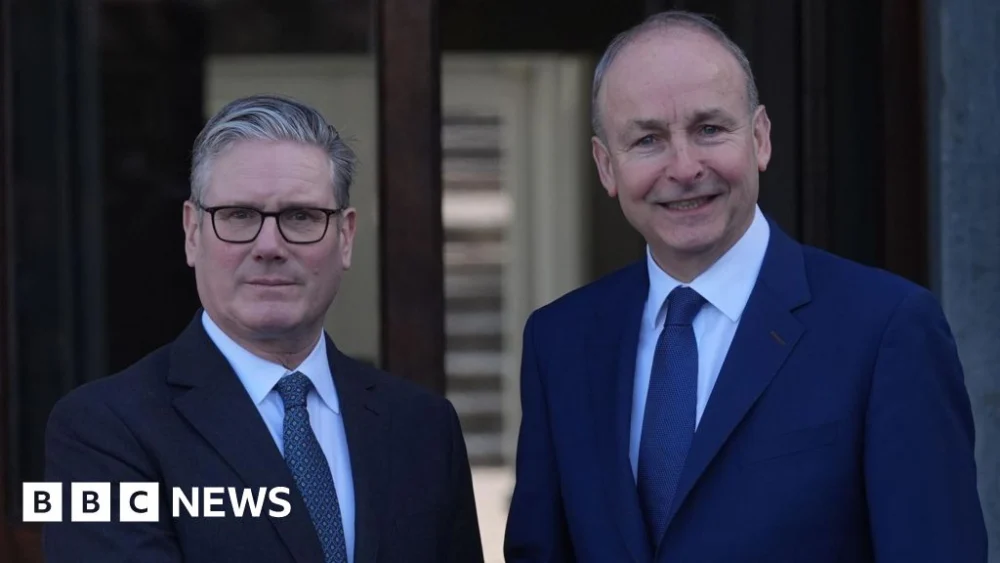
The summit’s proceedings commenced with a visit by Sir Keir and Martin to the prestigious Tyndall National Institute in Cork. This strategic stop at a leading European research centre for information and communications technology highlighted the leaders’ shared vision for fostering innovation and technological collaboration between the two countries before the formal political discussions began. The choice of location subtly reinforced the broader theme of future-oriented cooperation, particularly in areas critical for economic growth and national resilience.
This high-level meeting followed a significant announcement made by Sir Keir the previous day, detailing a substantial £937 million Irish investment into the UK economy. This investment package is projected to create approximately 850 new jobs across various sectors, signaling a robust and reciprocal economic relationship. A cornerstone of this investment involves critical infrastructure projects designed to enhance energy security and affordability. Specifically, an energy connector project between Northern Ireland and Ireland is poised to play a pivotal role in stabilising and potentially reducing electricity costs for consumers on both sides of the border, demonstrating tangible cross-jurisdictional benefits. Furthermore, a separate, ambitious energy connector project is planned to link Wales and Ireland, promising to deliver sufficient power for an estimated 570,000 homes, significantly boosting renewable energy capacity and grid resilience.
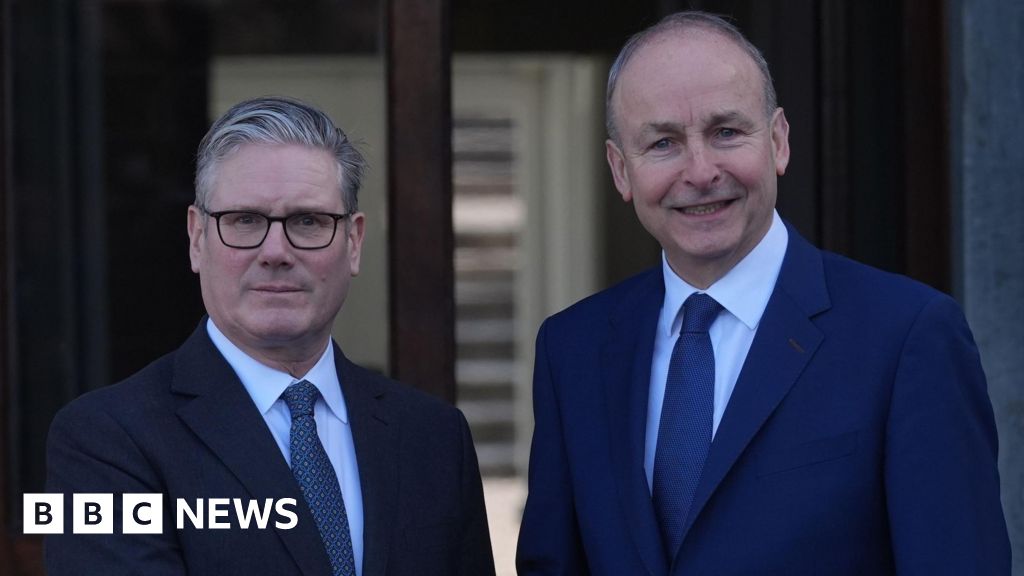
Commenting on these developments, Sir Keir Starmer emphasised the strengthening bond between the two nations. "The UK’s close friendship with Ireland is going from strength to strength, and I am pleased that we are going further in working together on growth, energy, security and more," he stated. He further elaborated on the broader implications of the investment, adding, "This new Irish investment coming into the UK is one part of a much bigger picture of our flourishing cultural, commercial and security ties." His words underscored a sentiment of renewed partnership, moving beyond historical complexities to focus on pragmatic, mutually beneficial cooperation.
A significant portion of the summit’s security discussions centred on bolstering critical national infrastructure. Both governments formally agreed to enhance the resilience of the vital subsea fibre optic cable network that serves as the digital backbone connecting the two countries. These cables are indispensable for modern communications, internet access, and financial transactions, making their integrity paramount. Recognising the growing threats posed by potential sabotage, espionage, or even natural disasters, Downing Street confirmed that a series of joint exercises have been meticulously agreed upon. These exercises are designed to rigorously test and refine their collective responses to a major cable incident, ensuring swift and effective action in times of crisis and safeguarding the digital arteries of both economies.
In a further sign of strengthened defence cooperation, a refreshed UK-Ireland memorandum of understanding (MoU) on defence was introduced. This updated agreement aims to modernise and bring the framework up to date with the current dynamic global security landscape, which has seen evolving threats such as cyber warfare, hybrid warfare tactics, and increased geopolitical instability following events like the conflict in Ukraine. The revised MoU is expected to facilitate deeper intelligence sharing, coordinated training exercises, enhanced maritime security cooperation, and more robust information exchange protocols, reflecting a shared understanding of contemporary security challenges and the necessity for collaborative defence postures.
The establishment of annual summits between the UK and Ireland was a direct outcome of a "reset" in the relationship between the two countries, initiated shortly after Sir Keir Starmer assumed the role of Prime Minister. The first such summit took place last year in Liverpool, setting a precedent for regular, high-level engagement. This ongoing series of meetings signifies a deliberate effort to foster a more stable, predictable, and productive relationship, particularly in the wake of the complexities introduced by Brexit. The Cork summit was also expected to lay groundwork for long-term strategic cooperation, with discussions slated on how the two countries should collaborate up to the year 2030, encompassing areas such as climate action, digital transformation, research and development, and maintaining social cohesion. The formal meeting itself was structured for focused discussion, anticipated to last approximately 90 minutes, indicating a concentrated effort to achieve concrete outcomes.
Preceding his journey to Cork, Sir Keir Starmer engaged in crucial discussions in Belfast on Thursday morning with leaders from across Northern Ireland’s political spectrum. These talks were primarily focused on ensuring the swift allocation of funds from the Autumn Budget, specifically earmarked to help address the pressing issue of electricity costs in Northern Ireland. The urgency of these funds underscores the unique economic challenges faced by the region, exacerbated by broader cost-of-living pressures and the complexities of its post-Brexit economic landscape. Sir Keir’s engagement with Northern Irish politicians highlighted the enduring importance of stable governance and economic support for the region within the broader context of UK-Ireland relations.
On Thursday night, the UK Prime Minister continued his engagements, meeting with prominent business leaders to discuss avenues for enhanced trade, investment, and economic partnership between the two nations. He was joined in these discussions by Taoiseach Martin, alongside key ministers, including Irish Foreign Affairs Minister Helen McEntee and UK Secretary of State for Business and Trade Peter Kyle, underscoring the comprehensive governmental approach to economic collaboration. Further demonstrating a commitment to future relations, Sir Keir also met with young people from the Ireland-UK youth forum advisory group, keen to hear their perspectives and ensure that the voices of future generations are considered in bilateral policy-making. The day’s events concluded with a cultural event at Cork City Hall, a public occasion where the presence of protesters, holding Iranian and Palestinian flags, served as a reminder of the broader international and domestic political currents that often intersect with high-level diplomatic engagements. The summit in Cork represents a tangible commitment by both the UK and Irish governments to navigate shared challenges, leverage mutual strengths, and cultivate a robust and forward-looking partnership for the benefit of their citizens.



 Roy Suryo

 Nakalama John
 atisusanti
