
 Ramos Leo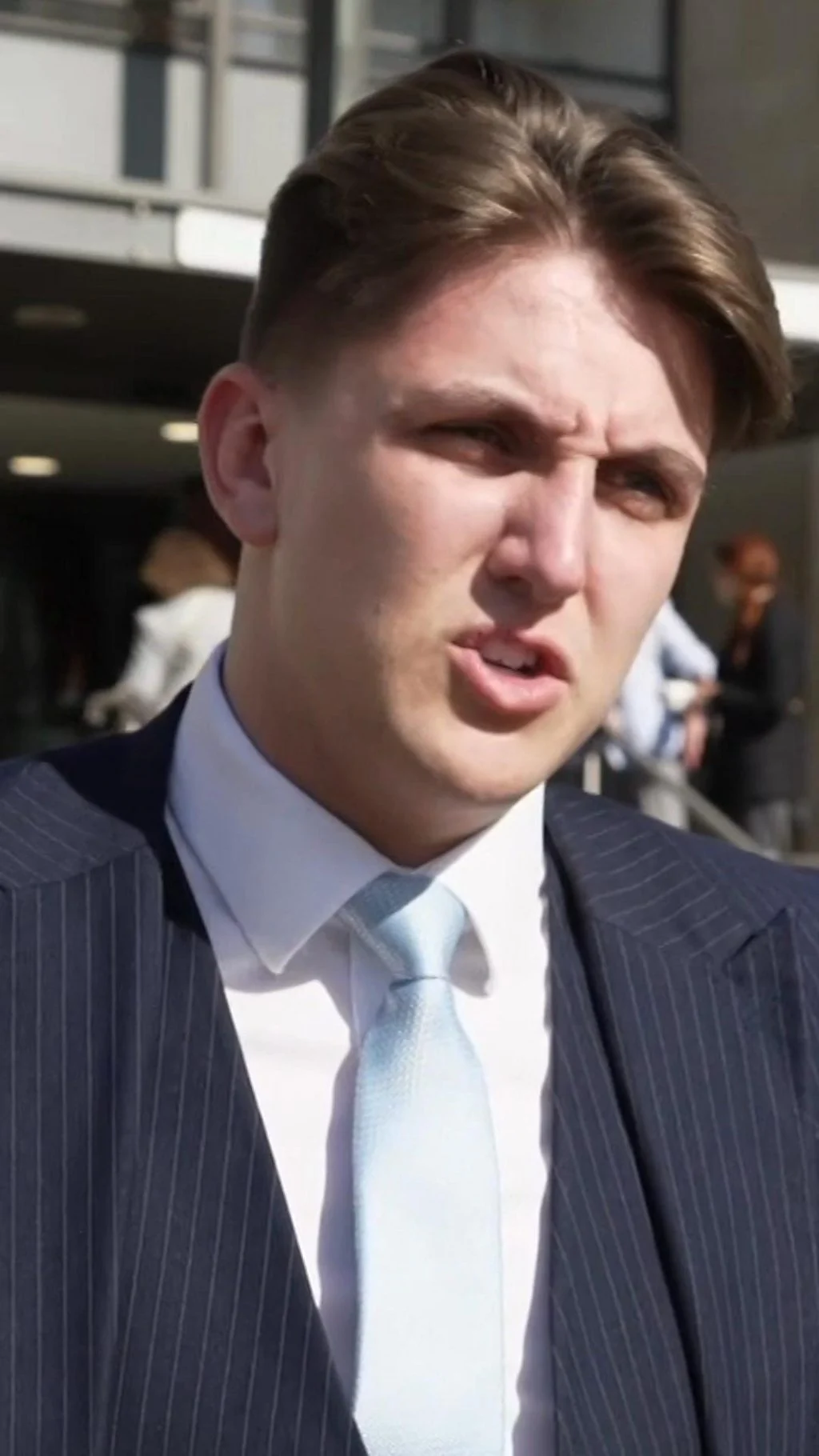
George Finch, a relatively new but impactful presence in Warwickshire politics, rose to prominence following a significant shift in local allegiances. A former Conservative councillor with a reputation for fiscal conservatism and a no-nonsense approach, Finch defected to Reform UK two years ago, citing disillusionment with the mainstream parties and a desire for more radical change at the local level. His move was emblematic of a broader trend, as Reform UK has sought to establish a foothold in local government across the UK, positioning itself as a challenger to the established order. Under his leadership, the party, though still a minority within the council, had managed to form a working alliance that saw Finch installed as leader, promising a new era of efficiency and reduced bureaucracy for Warwickshire residents. His supporters lauded his decisive style and commitment to tackling local issues such as council tax rates and public service delivery, often adopting a populist tone that resonated with a segment of the electorate.
However, his leadership style had increasingly drawn criticism from across the political spectrum, culminating in the no-confidence motion. The Green Party, a consistent voice for transparency and environmental responsibility within the council, formally moved the motion, detailing a series of alleged infractions. While specific details were kept under wraps during the public debate to avoid prejudicing any potential internal investigations, sources close to the council suggested the allegations revolved around concerns over Finch’s handling of several high-value procurement contracts, his alleged circumvention of established committee procedures, and a perceived lack of transparency in key decision-making processes. Critics pointed to an alleged autocratic approach, claiming that Finch often sidelined opposition voices and even some members of his own informal coalition, fostering an environment where dissenting opinions were reportedly unwelcome. The Green Party argued that these actions undermined the democratic integrity of the council and eroded public trust in local governance.
The full council meeting, held in the historic chambers of Warwickshire County Council, was charged with an almost palpable tension. Councillors arrived with prepared speeches, and the public gallery was packed with concerned residents, local media, and party activists. The debate spanned several hours, with impassioned arguments made on both sides. Councillor Eleanor Vance, leader of the Green Party group, opened the debate, painting a picture of a leader who had, in her words, "systematically disregarded the principles of collective responsibility and openness." She cited instances where vital information was allegedly withheld from relevant committees, and decisions impacting large segments of the community were seemingly made without adequate consultation. Vance emphasised that the motion was not merely political point-scoring but a necessary defence of democratic principles and the proper functioning of local government.
In defence, Finch’s allies, primarily drawn from a diverse group of Reform UK members and independent councillors, rallied to his side. Councillor David Jenkins, a key Reform UK figure, robustly dismissed the allegations as "baseless mud-slinging orchestrated by political rivals unwilling to accept change." He praised Finch’s "dynamic leadership" and his unwavering focus on delivering value for money for Warwickshire taxpayers. Jenkins highlighted several initiatives undertaken during Finch’s tenure, including streamlining council services and securing new investment for local infrastructure projects, arguing that these achievements demonstrated a commitment to improving the lives of residents, not abusing power. He suggested that the Green Party’s motion was a desperate attempt to destabilise a council that was finally "getting things done."
The position of other major parties proved crucial. The Conservative group, traditionally a dominant force in Warwickshire, found itself in a difficult position. While some harboured reservations about Finch’s style, many were reluctant to be seen aligning with the Green Party, and a segment still shared some of Finch’s fiscal priorities, especially given his past affiliations. A significant portion of Conservative councillors ultimately chose to vote against the motion, prioritising perceived stability and avoiding a potential collapse of the current administration. The Labour group, while critical of Finch’s policies, also weighed the potential for chaos that a successful no-confidence vote might unleash, with some fearing it could lead to an even more fragmented and unmanageable council. Their votes were split, reflecting internal divisions on the best course of action. The two abstentions, thought to be from independent councillors, underscore the deep reluctance of some to take a definitive side in such a contentious and finely balanced political battle, perhaps signalling their disapproval of Finch but also their apprehension about the implications of his removal.
When the vote was finally called, the silence in the chamber was deafening. Each councillor’s name was read aloud, and their vote recorded, building the tension with every declaration. The final count, 26 for and 27 against, was announced to a mixture of gasps and relieved sighs. George Finch had survived, but barely. The narrowness of the margin left no doubt about the deep divisions within the council and the significant opposition he now faces.
Immediately following the announcement, a visibly shaken but defiant George Finch addressed the council. He thanked his supporters for their "steadfast belief" in his leadership and reiterated his commitment to serving the people of Warwickshire. He acknowledged the challenges ahead but vowed to continue his reform agenda, calling for unity and a focus on the issues that matter to residents. "This vote," he declared, "is a mandate to continue the important work we have begun, to deliver on our promises, and to put Warwickshire first." However, the tone from the Green Party was one of disappointment but not defeat. Councillor Vance expressed her regret at the outcome but affirmed that her party would remain vigilant. "While the numbers did not fall our way today, the message is clear," she stated. "The concerns raised about the integrity and transparency of this leadership will not simply disappear. We will continue to hold the leader accountable for his actions and fight for good governance."
The aftermath of this vote carries profound implications for George Finch, Reform UK, and Warwickshire County Council. For Finch, survival is not necessarily victory. Leading with such a razor-thin mandate will be an immense challenge. He faces a council deeply fractured, where a significant bloc of councillors actively sought his removal. He will need to either extend an olive branch to his detractors, making concessions on transparency and consultation, or consolidate his power base even further, risking deeper entrenchment of opposition. His ability to govern effectively, push through policies, and maintain stability will be constantly scrutinised, with every decision potentially sparking renewed calls for his resignation.
For Reform UK, this incident serves as a stark reminder of the complexities of local governance and the challenges faced by smaller, newer parties attempting to disrupt established political norms. While Finch’s survival prevents a major embarrassment, the allegations and the close vote highlight that their rise is not without significant friction. It tests their ability to translate national rhetoric into effective, cooperative local leadership, and how they navigate the intricate web of council politics. Nationally, it provides a glimpse into the potential strengths and vulnerabilities of Reform UK’s strategy to gain influence at the grassroots level.
For Warwickshire County Council itself, the vote signals a period of continued instability. The deep rifts exposed by the no-confidence motion are unlikely to heal quickly. Collaboration across party lines, already a challenging endeavour, will be even harder, potentially hindering the council’s ability to address critical local issues. The public will be watching closely to see if the council can move beyond this contentious episode and deliver the services and leadership the community expects. The very fabric of inter-party relations has been strained, and the path to a cohesive and functional governing body appears more arduous than ever.
Looking ahead, the narrow survival of George Finch will undoubtedly shape the political trajectory of Warwickshire County Council for months, if not years, to come. The accusations against him will likely linger, influencing future debates and possibly future electoral campaigns. Whether Finch can use this reprieve to strengthen his position, or if it merely delays an inevitable reckoning, remains to be seen. The political drama in Warwickshire serves as a microcosm of the wider shifts occurring in British politics, where traditional allegiances are fragmenting, and new forces like Reform UK are testing the resilience of established institutions.



 Roy Suryo

 Nakalama John
 atisusanti
