Roy Suryo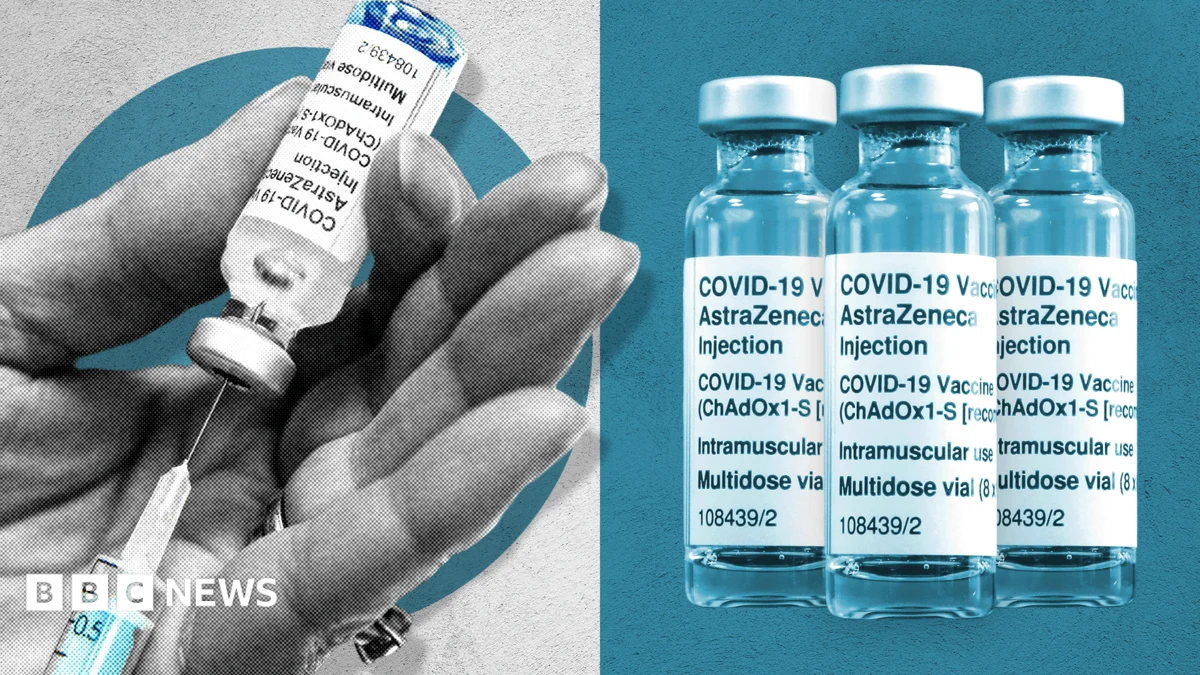
The true financial burden of the Vaccine Damage Payment Scheme (VDPS) has been laid bare for the first time, revealing a staggering expenditure on administration and medical assessments that dwarfs the compensation paid to victims. Parliamentary disclosures, prompted by a question from Sir Christopher Chope, a Conservative MP, have unveiled that the costs associated with running the VDPS are projected to reach an eye-watering £83 million between April 2022 and March 2026. This figure encompasses staffing, administrative overheads, and the crucial medical reviews mandated for every claimant seeking recognition for severe disablement allegedly caused by a Covid-19 vaccine.
In stark contrast to the scheme’s operational expenses, the total amount disbursed in compensation to individuals who have suffered injury or death following vaccination stands at a considerably lower £31.6 million, as of the latest available data up to June 2026. The VDPS, designed to provide a one-off, tax-free payment of £120,000 to eligible claimants, operates through a rigorous process. Each application necessitates review by an independent medical professional to ascertain if the applicant meets the threshold of "severe disablement." This meticulous, and often lengthy, evaluation process is a significant contributor to the scheme’s escalating costs.
The financial strain of these medical assessments has seen a dramatic escalation, soaring from £4.3 million in the 2022/23 financial year to an anticipated £19.3 million by 2025/26, according to newly released government figures. This upward trend in assessment costs highlights a critical inefficiency within the scheme, where the expense of determining eligibility significantly outstrips the final payouts to those deemed to have suffered harm.
The NHS Business Services Authority (NHSBSA), which manages the VDPS on behalf of the government, attributes the ballooning administrative and medical assessor costs to the burgeoning number of claims received. Since the NHSBSA assumed responsibility for administering the scheme in November 2021, there has been a "significant increase" in claim submissions. This surge in demand, while understandable given the scale of the vaccination program, has evidently placed immense pressure on the scheme’s operational infrastructure, driving up associated expenditures.
Campaign groups representing vaccine-injured individuals have voiced strong criticism of the VDPS, deeming it inadequate and unfit for purpose. Vaccine Injured and Bereaved UK (VIBUK), an organisation established to provide support to affected families, has labelled the scheme as offering "too little, too late, to too few." Kate Scott, a representative for VIBUK whose husband Jamie sustained severe disablement from the AstraZeneca Covid-19 vaccine, pointed directly to the scheme’s running costs as evidence of its profound inefficiency. Scott has urged the government to implement the recommendations stemming from Module Four of the ongoing Covid public inquiry, advocating for a fundamental reform of the VDPS.
Earlier this year, Baroness Heather Hallett, the chair of the Covid inquiry, put forth a series of recommendations aimed at improving the scheme. These included proposals to increase the payout amount and to base compensation on the severity of the injury sustained, a more equitable approach than the current flat-rate payment. The government is expected to formally respond to these recommendations in the near future.
Previous reporting by the BBC has shed light on the substantial sums allocated to an external medical provider responsible for conducting the medical assessments. This revelation further underscores the financial implications of outsourcing key aspects of the VDPS’s operation.
The Taxpayers’ Alliance, a prominent right-leaning think tank advocating for fiscal responsibility, has expressed dismay at the scheme’s financial performance. John O’Connell, the organisation’s chief executive, stated that the public would likely be "stunned" to learn that the operational costs of the VDPS are appearing to "far more than has actually been paid out to those harmed." He stressed the need for ministers to provide a clear explanation for the scheme’s exorbitant expense and to justify whether victims are receiving adequate value for the money spent. O’Connell called for an urgent review of the VDPS, with a view to cutting "unnecessary bureaucracy" and ensuring that a greater proportion of the allocated funds directly benefit those the scheme was designed to assist.
In response to these mounting concerns and the data revealed, the Department of Health and Social Care (DHSC) has indicated that it is "carefully considering" the COVID-19 Inquiry’s recommendations regarding the reform of the VDPS and anticipates providing a formal response shortly. The DHSC acknowledged its commitment to "working to speed up claims and improve the experience for applicants" in the interim. Similarly, the NHSBSA reiterated its ongoing collaboration with the government in "managing the costs of the VDPS," signalling a commitment to addressing the financial challenges.
The stark disparity between the scheme’s administrative and assessment costs and the compensation paid out raises significant questions about its efficacy and fairness. As the government grapples with the recommendations of the Covid inquiry, the urgent need to reform the Vaccine Damage Payment Scheme and ensure that it more effectively and efficiently serves its intended beneficiaries is undeniable. The current model, characterized by escalating running costs and a comparatively modest payout, falls short of providing adequate support and justice for those who believe they have suffered due to Covid-19 vaccination. The public will be watching closely to see if the proposed reforms can rectify these deep-seated issues and deliver a more equitable outcome for all involved. The complexity of the medical reviews, the administrative overheads, and the increasing volume of claims have conspired to create a financial vortex, where the machinery of the scheme is consuming resources at a rate that overshadows its core purpose: compensating those harmed. The continued reliance on external medical providers for assessments, while perhaps necessary for impartiality, appears to be a significant cost driver, and the government must scrutinize these arrangements to identify potential efficiencies without compromising the integrity of the assessment process. The £120,000 lump sum, while a tangible benefit, may not fully reflect the long-term impact of severe disablement, a point highlighted by the inquiry’s recommendation to link compensation to the degree of injury. This would necessitate a more nuanced and potentially more expensive payout structure, but one that could offer a more just resolution. The government’s commitment to speeding up claims is a positive step, but it must be accompanied by a strategic overhaul of the scheme’s financial architecture to ensure that taxpayer money is being spent wisely and that victims are not left waiting for years while costs escalate. The current situation represents a significant challenge for public trust in the handling of vaccine-related claims and demands a transparent and robust response. The onus is now on the Department of Health and Social Care to demonstrate that it can deliver a more effective and financially responsible VDPS.



 Nakalama John
 George Anjay