
 Nakalama John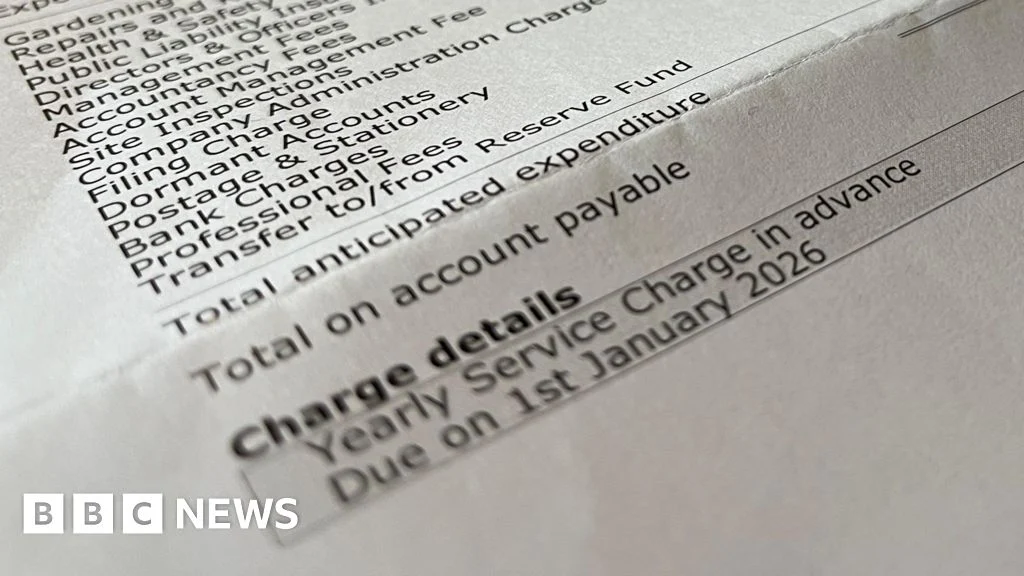
The core problem lies in the opaque nature of these charges and the limited power residents have over their imposition. When individuals purchase a property, particularly a leasehold flat or a freehold house on an estate with communal areas, they often become bound by contracts requiring them to contribute to the upkeep of shared spaces such as car parks, gardens, lighting, and building exteriors. These costs are managed by external property management companies, which residents often have little to no say in appointing or overseeing. The absence of robust regulatory oversight means that fees can rise sharply, with residents feeling powerless to dispute inflated costs or poor service quality.
To illuminate the human impact of this systemic issue, we spoke to three individuals in the West who have directly experienced the adverse effects of rising service charges. Their stories underscore the urgent need for comprehensive reform.
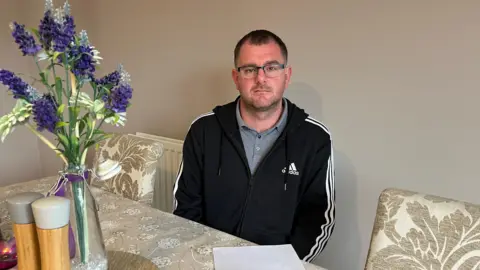
Tarran Wilson and his wife purchased their home at Coopers Edge in Gloucestershire in 2016, a decision they now view with mixed feelings due to the relentless increase in service charges. Upon moving in, their annual charge stood at approximately £290, a manageable sum they factored into their budget. However, in less than a decade, this figure has nearly doubled, soaring to £558.65. What makes their situation particularly frustrating is that they own the freehold of their property, yet they remain beholden to a management company for the upkeep of communal areas. These areas, including shared car parking spaces, paved walkways, and street lighting, are essential to the estate’s amenity but come with a hefty price tag.
The itemised bill for Coopers Edge reveals a breakdown of costs that includes insurance, bank charges, repairs, and extensive garden and ground maintenance. However, the most significant component, and the one that has seen the most dramatic increase, is the management fees. Collectively, these fees amount to £3,275 shared among just 20 homes, a sum Tarran describes as "quite significant in total across the whole area." He expresses a deep sense of frustration at the lack of control over these costs, despite being a homeowner. The annual increases feel arbitrary, and the lack of a clear, transparent mechanism to challenge them leaves him and his neighbours feeling trapped.
The plight of residents like Tarran has not gone unnoticed by local politicians. Liberal Democrat councillor Paul Hodgkinson lambasted the exorbitant fees as "crazy," asserting that residents are being "effectively fleeced by many very high management charges every single year, for remote companies, not based anywhere local." The management agent for Coopers Edge Management Company Ltd is Gateway Property Management, a company with offices spanning London, Leeds, and Southend. When approached for comment, Gateway Property Management acknowledged that "budgets have been impacted by wider inflationary pressures" and stated that "all expenditure is reviewed carefully." They added a commitment to investigate and address any concerns raised, a reassurance that often falls short for residents seeking tangible change and greater financial transparency.
Another compelling case comes from Zak Reid, who bought a flat at Wapping Wharf in Bristol in 2020. His experience ultimately forced him to relocate to Clevedon, driven by an unsustainable surge in service charges. During his relatively short tenure at the property, these charges escalated by an alarming 60%, pushing his annual payments beyond £1,000. This drastic increase was compounded by a perceived decline in service quality. Reid recounted instances where windows were rarely cleaned, and crucial maintenance work proceeded at a glacial pace. A significant security concern arose when the front door lock broke, remaining unrepaired for months, leading to a spate of post thefts from the property.
Reid’s decision to move was pragmatic, born out of a fear that the relentless rise in service charges would ultimately render his property unsellable. He articulated a common sentiment among leaseholders: "I wanted to get out of a leasehold. I wanted to be a freehold and I was lucky to do so, but I never want to do it again, because I know what they’re about." This statement highlights the profound psychological and financial burden associated with the leasehold system, where owners effectively rent the land their property sits on and are subject to the whims of freeholders and management companies. Rendall and Rittner, the company managing the Wapping Wharf block, responded by stating: "All services and costs are identified and agreed collaboratively with the resident management company directors." They further acknowledged the financial pressure on leaseholders, affirming their commitment "to controlling costs and keeping charges as reasonable as possible" across their developments. However, for residents like Reid, these assurances often come too late, after significant financial and personal distress has already been incurred.
Jax Newman, who has lived in her shared ownership flat for nearly 16 years, presents a slightly different but equally frustrating perspective. Her service charges are integrated into her monthly rent, constituting roughly a quarter of her total payment. At £94.33 per month, her service charge contributes to a total rent of around £350. Despite these consistent payments, Newman feels that the quality of maintenance has deteriorated significantly in recent years. She points to ongoing fire alarm issues, the regrettable loss of an on-site maintenance person, and the noticeable appearance of stains on carpets and marks on the lift.
Newman’s frustration stems from a feeling of paying more for less. "I’d be happy to pay more if I could actually see results and things being done," she remarked, emphasising that the charges should be "maintaining a nice place to live." Her experience echoes a broader sentiment that property management companies often fail to deliver commensurate value for the increasing fees they demand. Metro PM, the company managing Newman’s building, asserted that "Service charges are prepared strictly in accordance with the terms of the lease" and are not "increased arbitrarily." They cited a modest 1.57% increase in the overall service budget for 2026, claiming it was "broadly in line with inflationary pressures." Regarding the fire alarms, Metro PM attributed "the majority of recent alarm activations" to "resident interference" and reiterated its commitment "to maintaining the building." These statements, while offering a corporate defence, often clash with the lived realities and perceptions of residents who witness a tangible decline in the upkeep of their homes.
The government has acknowledged the widespread discontent surrounding service charges, initiating a consultation process aimed at strengthening residents’ rights. However, the initial proposals, particularly the announced plans to cap ground rents, have been met with mixed reactions. While capping ground rents addresses a historical grievance, it notably fails to directly impact individuals like Tarran Wilson, who, as a freeholder, still faces escalating service charges for communal area maintenance. This distinction highlights a significant loophole in the proposed reforms, leaving a substantial segment of affected homeowners unaddressed.
Critics, including the Residential Freeholders Association (RFA), have voiced strong reservations, accusing the government of an "attack on the leasehold system" rather than tackling the root cause of the problem. The RFA advocates for the direct introduction of regulation specifically targeting service charges, arguing that a more comprehensive approach is needed to curb inflationary increases and ensure greater accountability from management companies.
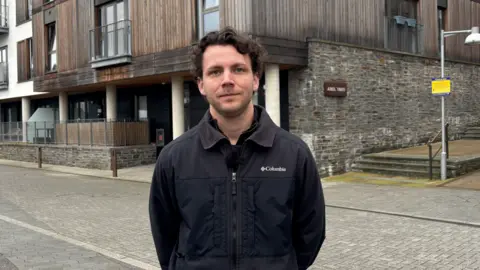
The draft Leasehold and Commonhold Reform Bill is currently undergoing scrutiny by MPs on the Housing Committee before it progresses through Parliament. If successful, the cap on ground rents could potentially come into force in late 2028. However, for many residents across the West and indeed the entire country, the proposed changes are perceived as piecemeal, leaving a gaping void in the protection against ever-increasing and often unjustified service charges. The calls for greater transparency, stronger enforcement mechanisms, and more robust avenues for residents to challenge and influence the management of their shared spaces continue to grow louder, as the current system perpetuates a feeling of powerlessness and financial vulnerability among homeowners. The coming years will reveal whether the government’s reforms truly address the concerns of those most impacted or if residents will continue to bear the brunt of an unregulated and often exploitative system.




 George Anjay
 atisusanti
 Ramos Leo
 Roy Suryo
 Nana Banana