
 Roy Suryo
The UK Covid inquiry is poised to release its fourth report on Thursday, focusing on the intricate development and widespread rollout of the Covid-19 vaccine. This imminent publication follows a series of deeply critical assessments from the inquiry’s first three reports, which unequivocally condemned the UK government’s preparedness and decision-making throughout the pandemic. The inquiry’s findings highlighted a political response that was "too little, too late," and painted a stark picture of the National Health Service (NHS) "coming close to collapse" under the immense strain. Between March 2020 and May 2023, a period coinciding with the World Health Organization’s declaration of the end of the "global health emergency," the UK tragically recorded just under 227,000 deaths attributed to Covid-19. The announcement of the vaccine report’s release comes amid heightened pressure, with the Covid-19 Bereaved Families for Justice campaign group indicating it was contemplating a judicial review over perceived "time-wasting."
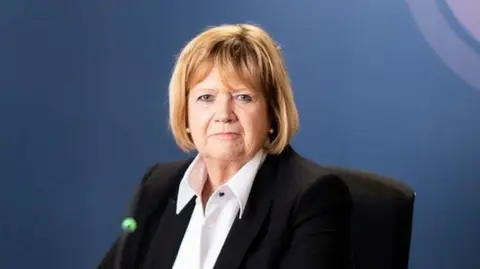
The scope of the inquiry is comprehensive, encompassing decision-making processes at the highest levels of the UK government, as well as those of the devolved administrations in Scotland, Wales, and Northern Ireland. The public hearings commenced in June 2023, marking a significant step in the investigation. Public inquiries, a mechanism established and funded by the government, are steered by an independent chair and possess the authority to compel witnesses to provide evidence. While these inquiries do not pronounce guilt or innocence, they are mandated to publish conclusions and recommendations, although the government is not legally bound to implement them. Presiding over the Covid inquiry is Baroness Hallett, a distinguished former judge and crossbench peer, who previously led the inquests into the devastating 7 July London bombings.
The financial implications of the inquiry have also come under scrutiny. Beyond the inquiry’s own expenditure, the government’s spending on legal costs, staffing, and other operational expenses has significantly increased the overall cost to the taxpayer. By December 2025, the inquiry itself had incurred approximately £110.8 million in legal costs, £34 million in running costs, £28.6 million on staffing, and £14.9 million on engagement and communication. The government’s outlay added another £56.4 million for legal costs and £44.6 million for staffing, alongside £3.7 million in unspecified "other" expenses, bringing the total cost to well over £192 million, a figure substantially higher than initially projected.
Addressing the public hearings as they concluded, Baroness Hallett staunchly defended the inquiry’s expenditure and timeline. She emphasized that the terms of reference, initially set by then-Prime Minister Boris Johnson, were the "broadest of any public inquiry to date." Having meticulously reviewed over 600,000 documents and gathered testimony from more than 350 witnesses, Baroness Hallett declared that completing the hearings in under four years represented "an extraordinary achievement."
The Inquiry’s Third Report: Impact on the NHS
The inquiry’s third report, released previously, delivered a damning assessment of the impact on the NHS. It concluded that the collapse of the healthcare system was "only narrowly avoided" due to the "extraordinary" dedication of healthcare workers. The report highlighted that these frontline staff faced exceptional risks due to a critical shortage of appropriate personal protective equipment (PPE). It further detailed how both Covid patients and those requiring care for other conditions were underserved, with many individuals deterred from seeking medical attention to alleviate the pressure on NHS services. The report also noted the devastating impact of visiting restrictions, which resulted in patients dying without their loved ones present. Highly vulnerable individuals, including children in mental health units, women utilizing maternity services, and individuals with dementia, were left without essential support. Baroness Hallett encapsulated the report’s findings with the poignant summary: "We coped, but only just."
The Inquiry’s Second Report: Political Decisions
Published in November 2025, the inquiry’s second report delved into the realm of political decision-making during the pandemic. A significant finding was that a week-long delay in implementing measures resulted in an estimated 23,000 additional deaths in England during the first wave that could have been prevented. The report also characterized the culture at the heart of the UK government’s pandemic response as "toxic and chaotic," directly impacting the quality of advice and subsequent decisions. Over 7,000 documents from this period, including WhatsApp messages, emails, private diaries, and confidential files, were made public as part of this investigation.
The Inquiry’s First Report: Preparedness
The initial report, published in July 2024, focused on the UK’s resilience and preparedness for a pandemic. Baroness Hallett declared, "Never again can a disease be allowed to lead to so many deaths and so much suffering." The report asserted that both the UK government and the devolved nations had "failed their citizens" and that ministers had not adequately challenged scientific experts. It concluded by offering recommendations for reforming the government’s approach to emergency planning.
Ongoing Investigations and Future Reports
While public hearings have concluded, the inquiry continues its investigation into other critical aspects of the pandemic. The report on procurement processes is anticipated in the summer of 2026, with subsequent reports on the care sector and the effectiveness of test-and-trace systems scheduled for release towards the end of that year. The remaining three reports are slated for publication in the first half of 2027, ensuring a comprehensive examination of the pandemic’s multifaceted impact.
Witness Testimony
The inquiry’s final public hearings took place in March 2026, having heard from hundreds of witnesses. These included current and former politicians, civil servants, government advisers, public health experts, and representatives of bereaved families. Many witnesses offered strong criticisms of Boris Johnson, who served as Prime Minister throughout the pandemic. Johnson commenced his first evidence session in December 2023 by offering an apology for the "pain and the loss and the suffering" experienced during the pandemic. He acknowledged that mistakes were made and that "there were unquestionably things we should have done differently," while maintaining that ministers had acted to the best of their ability under challenging circumstances.
Former Chancellor Rishi Sunak, in his testimony, apologized to "all those who suffered… as a result of the actions that were taken." However, he refuted claims that his "Eat Out to Help Out" scheme had contributed to an increase in infections and deaths. The government’s Chief Medical Officer, Prof Sir Chris Whitty, and former Chief Scientific Adviser Sir Patrick Vallance, testified that they had not been consulted regarding the "Eat Out to Help Out" policy. Sir Patrick, Sir Chris, and his former deputy Prof Sir Jonathan Van-Tam also shared their experiences of facing significant public abuse during their tenure.

Former Health Secretary Matt Hancock provided evidence on multiple occasions. He stated that the UK’s pandemic strategy had been fundamentally flawed and conceded that the UK should have implemented a lockdown much earlier. Hancock also criticized the "toxic culture" within government, attributing it to Boris Johnson’s former adviser, Dominic Cummings. In his own evidence, Mr. Cummings described the government as "dysfunctional" and was highly critical of Johnson’s leadership style. The inquiry also reviewed text messages sent by Mr. Cummings, many containing offensive remarks about ministers and officials. Mr. Cummings expressed regret for the handling of his controversial trip to Barnard Castle during the initial lockdown but denied that this incident had eroded public trust in the government. The inquiry has also heard testimony from political leaders from Scotland, Wales, and Northern Ireland, including the First Ministers of each devolved nation.
Public Engagement
Groups representing bereaved families have been vocal in their appeals to the inquiry, urging it to ensure that their experiences and perspectives are central to the investigation.

 George Anjay
 Nakalama John
 atisusanti
 Ramos Leo
 Nana Banana