Nana Banana
The immediate inclination might be to discard them, but these specialized glasses pose a unique challenge for conventional waste streams. "Eclipse glasses are a great example of our single-use culture," explains Dr. Renee Tonkin, the founder of Science Owl, an environmental education organization dedicated to addressing waste. "Particularly because they’re difficult to recycle due to their mixed materials." The core issue lies in their construction: typically, a cardboard frame holds lenses made from a specialized polymer film or Mylar, which contains a dark, metallic coating designed to block harmful solar radiation. This combination of materials makes them unsuitable for standard household recycling bins. Recycle Now, a leading authority on recycling practices, confirms that while the cardboard frames are generally recyclable if separated, the specialized lenses are not. Understanding these limitations is the first step towards more responsible post-eclipse actions.
Instead of contributing to landfill waste, there are several thoughtful and sustainable options for your retina-saving spectacles. These include preserving them for future celestial events, donating them to extend their lifespan, or repurposing them for engaging new hobbies.
Save Them for the ‘Eclipse of the Century’ and Beyond
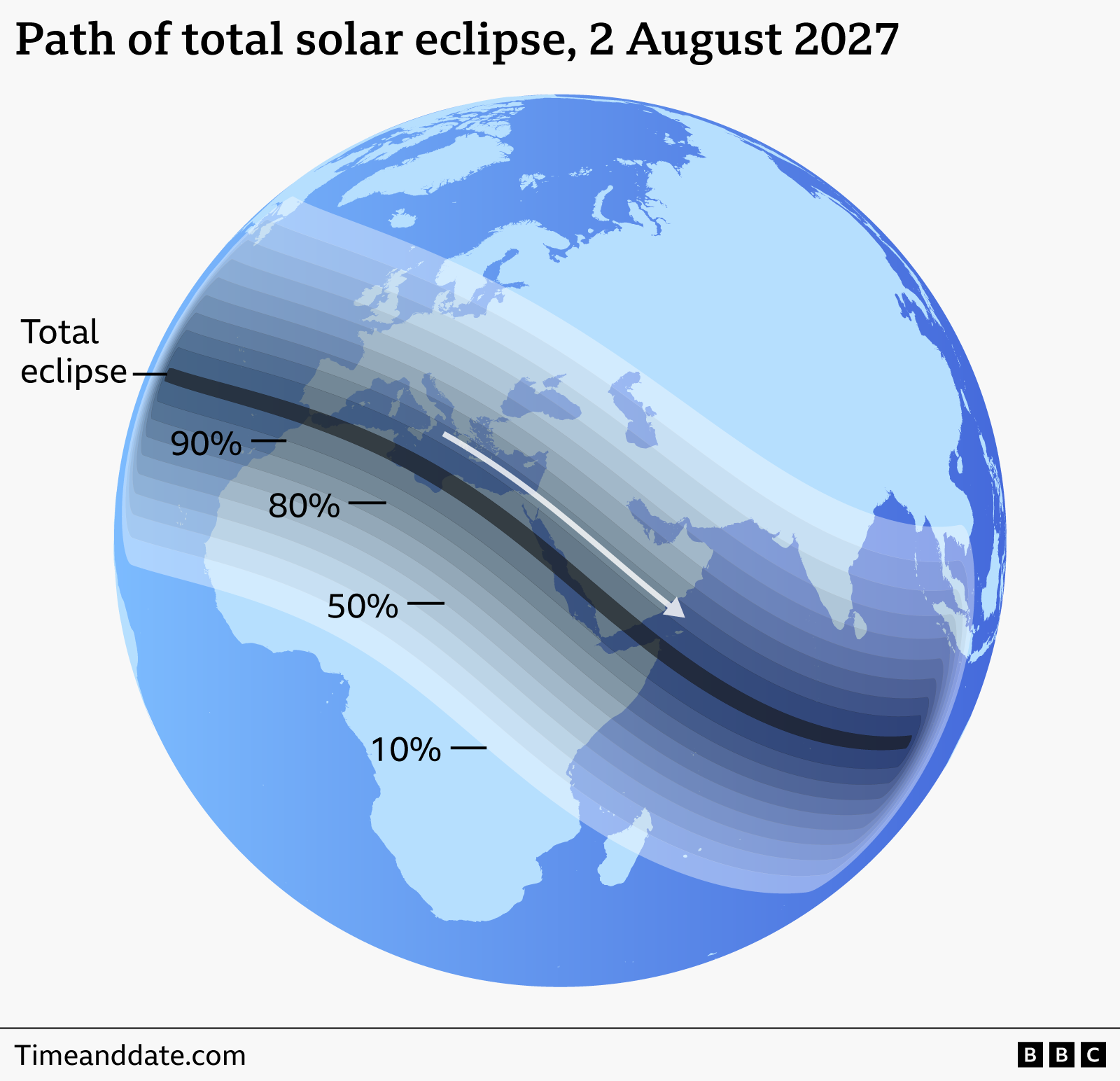
For those with a passion for astronomy or an adventurous spirit, keeping your eclipse glasses might be the most exciting option. The next major total solar eclipse, dubbed by some as the "eclipse of the century" due to its exceptional duration, is set to occur on 2 August 2027. This remarkable event will offer up to six minutes and 23 seconds of totality on land, making it the longest total solar eclipse since 1991 and one that won’t be surpassed until 2114.
If you’re considering a trip to witness this grand spectacle, which will be visible across southern Spain (including cities like Malaga), northern Africa, and the Arabian peninsula, your current eclipse glasses could prove invaluable. Northern Africa, in particular, is anticipated to offer prime viewing conditions with its typically clear, cloudless skies during that time of year.
Dr. Ed Bloomer, an astronomer at the Royal Observatory Greenwich, highlights the longevity of modern eclipse glasses. "The glasses that you get now – ones that are made to the correct ISO [safety certification] standard – are made slightly differently than older glasses," he explains. "So you can keep them for longer periods." This means that properly stored, ISO 12312-2 compliant glasses from a recent eclipse can safely be used for the 2027 event and even subsequent ones. The ISO 12312-2 international safety standard is crucial; it ensures the filters reduce visible sunlight to safe levels and block 100% of harmful ultraviolet (UV) and infrared (IR) radiation.
However, Dr. Bloomer stresses the importance of careful storage. To maintain their integrity and safety, glasses must be kept in a safe, dry place where the delicate coating on the lenses cannot be scratched, torn, or otherwise damaged. Any visible wear, tear, or pinholes in the filter material renders the glasses unsafe for direct solar viewing and necessitates their disposal. Even if the 2027 eclipse isn’t on your travel itinerary, the UK will experience partial solar eclipses, such as one in January 2028, offering local opportunities to reuse your protected eyewear.
Donate Them to Inspire Future Stargazers
If international travel isn’t feasible or you simply don’t wish to retain your eclipse glasses, donating them presents a powerful way to extend their utility and foster a love for science and astronomy in others. Several initiatives and organizations actively collect and redistribute eclipse glasses to communities that might not otherwise have access to them, particularly for future eclipses in less affluent regions or for educational purposes.
"Ask local schools, libraries or after-school science clubs whether they might like them," Dr. Tonkin advises. "Passing items on to someone who will use them more than you is a really simple way to extend the life of something that might otherwise be thrown away." These institutions often welcome donations for educational events, science fairs, or for students to safely observe other solar phenomena.
Moreover, local astronomical societies are excellent recipients. Dr. Bloomer notes, "Local astronomical societies might often take eclipse glasses in so that they have a bunch to give out to people at future events." The Federation of Astronomical Societies, for instance, boasts around 200 affiliated members across the UK, offering a searchable list on its website to help you find a local group. Many of these societies engage in public outreach, providing safe viewing opportunities and educational resources to their communities.
Beyond local groups, international programs exist. Organizations like Astronomers Without Borders (AWB) have historically coordinated massive recycling efforts, collecting glasses from areas that have experienced an eclipse and distributing them to schools and communities in regions anticipating an upcoming one, particularly in developing countries. This not only promotes safe viewing but also global scientific literacy and environmental stewardship. Before donating, ensure the glasses are in good, undamaged condition, meeting the ISO safety standard, to guarantee the safety of their next users.
Repurpose Them for a New Hobby: Solar Photography and Beyond
The specialized filter material from your eclipse glasses isn’t just for direct viewing; it can also be repurposed to unlock new photographic possibilities and scientific observations. With the advanced capabilities of modern cameras, including those integrated into smartphones, you can capture stunning images of eclipses, sunspots, and other fascinating solar activity.
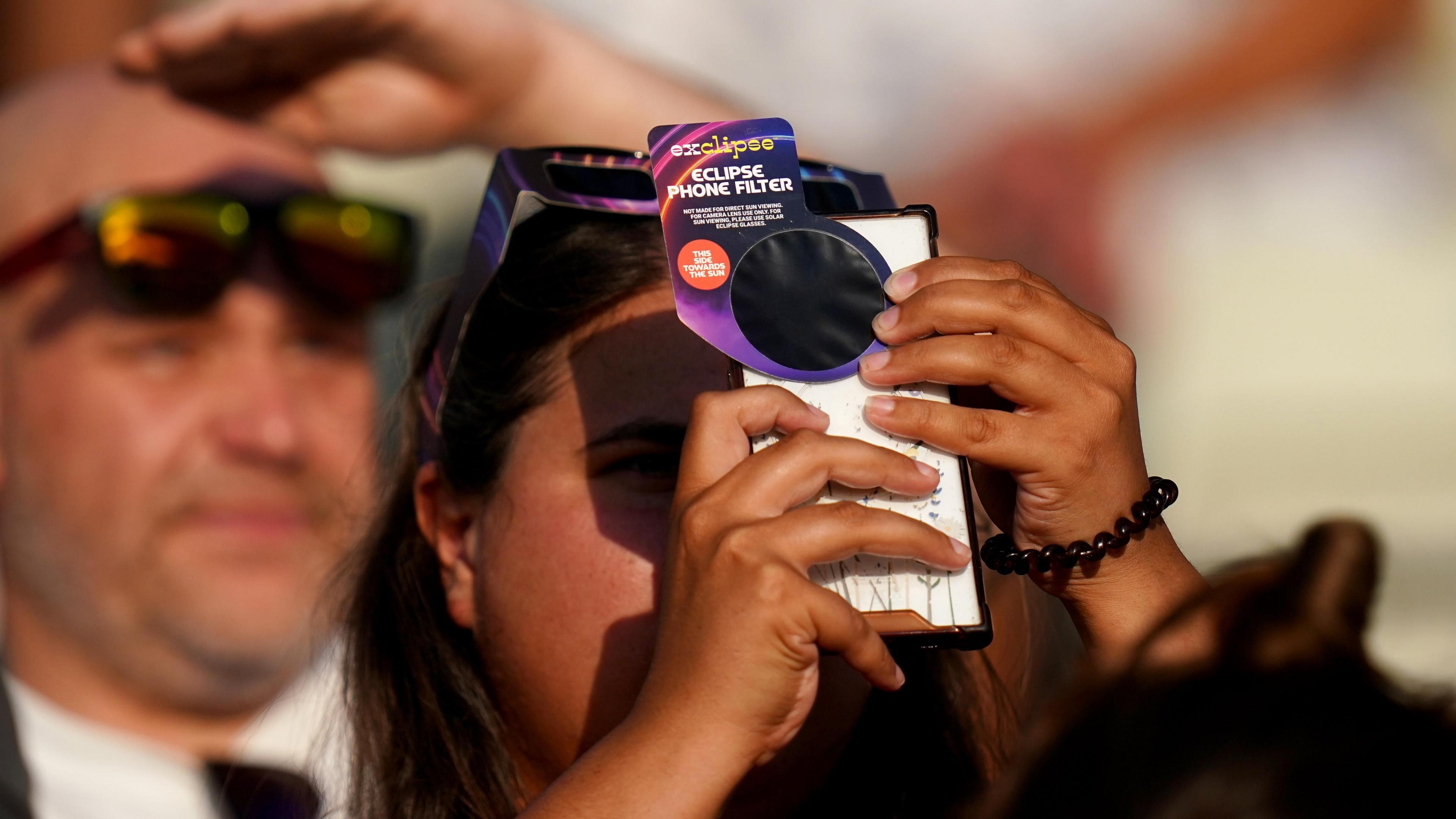
"Cut out a square of the solar filter material [from your glasses] and mount the square over your phone’s camera lens," suggests Dr. Tonkin, whose Science Owl group often challenges children to create useful items from waste like eclipse glasses. This DIY approach allows budding astrophotographers to safely photograph the Sun without damaging their camera sensors.
Dr. Bloomer points out that "significant sunspot activity" is frequently visible with proper solar filtering. Sunspots appear as dark patches on the Sun’s surface, cooler regions of intense magnetic activity, and their observation can be a captivating introduction to solar physics. While large sunspots can sometimes be glimpsed with the naked eye (through certified solar filters, of course), magnification greatly enhances the viewing experience.
However, caution is paramount when engaging in solar photography or any activity involving direct observation of the Sun. Photographers must be acutely aware of the risks of prolonged exposure to the Sun’s powerful UV and IR rays, not only for their eyes but also for their equipment. NASA’s guidance explicitly warns that taking pictures and videos of the Sun with an unfiltered phone camera can damage its sensors. Always ensure the solar filter material completely covers the camera lens and is securely attached, preventing any direct sunlight from entering the lens. This repurposing extends the life of the glasses and transforms them into a tool for scientific exploration and creative expression, fostering a deeper connection with our nearest star.
In conclusion, the post-eclipse period offers a valuable opportunity to consider the lifecycle of single-use items like solar eclipse glasses. By choosing to save, donate, or repurpose them, individuals can contribute to environmental sustainability, promote scientific education, and ensure these critical safety devices continue to serve their purpose, long after the immediate spectacle has passed.




 George Anjay
 Nakalama John
 atisusanti
 Ramos Leo