
 atisusanti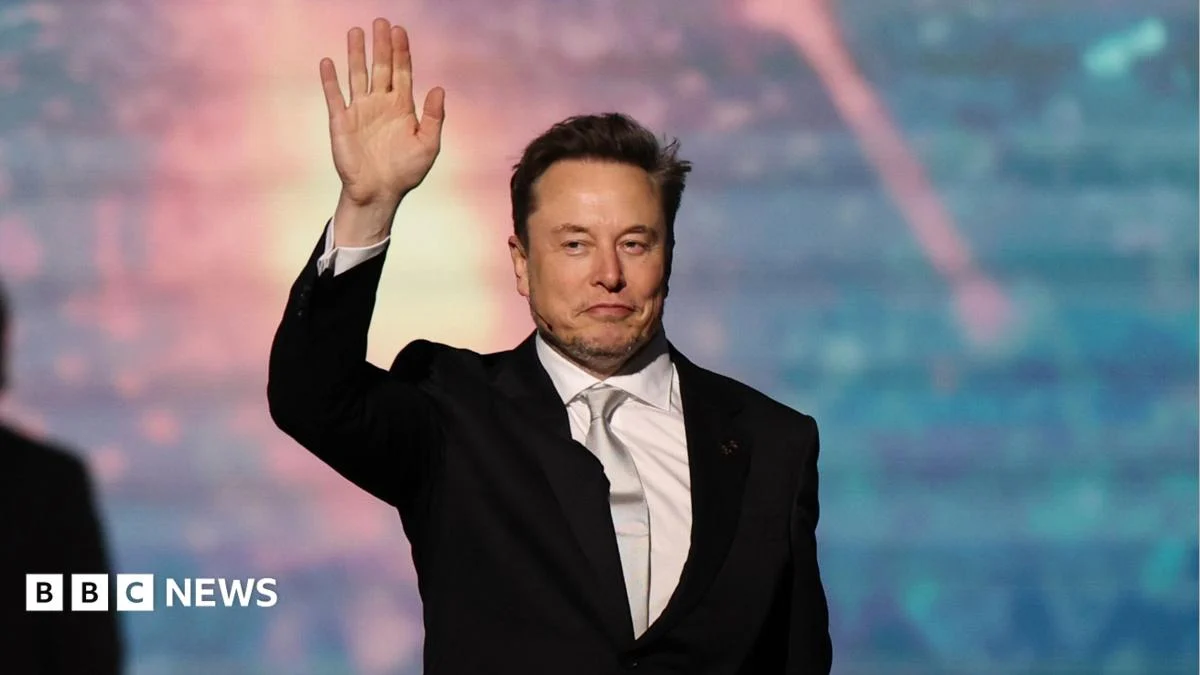
SpaceX, the pioneering aerospace manufacturer and commercial spaceflight services company helmed by Elon Musk, has officially released its inaugural quarterly business report, a landmark event that has sent ripples through the investment community. While the company, known for its groundbreaking reusable rocket technology and the ambitious Starlink satellite internet constellation, also owns the influential social media platform X, its debut financial disclosure paints a complex picture of rapid growth intertwined with substantial expenditure. The report, released shortly after SpaceX’s significant foray into the US stock market in June, reveals a dramatic escalation in both revenue and, more significantly, operational costs, resulting in a notable net loss during the first half of the year.
The newly public SpaceX reported an impressive surge in revenue, which nearly doubled, reaching an impressive $7.8 billion (approximately £5.8 billion) when compared to the same period in the previous year. This substantial growth underscores the company’s increasing dominance in the commercial space sector, driven by a growing demand for its launch services, the expanding reach of its Starlink network, and potentially contributions from its ownership of X. However, this robust top-line performance is overshadowed by an even more astonishing increase in spending. SpaceX’s expenditures skyrocketed by over 550%, amounting to a staggering $18.3 billion. This massive outlay, when accounted for, resulted in a net loss of $2 billion during the first six months of the year. This figure represents the first time the company has publicly disclosed its financial performance, providing investors with unprecedented insight into its operational realities.
The immediate market reaction to this maiden earnings report was decidedly negative. Following the release, SpaceX’s stock experienced a significant decline, falling by nearly 9% in after-hours trading. This sharp drop effectively erased any gains the stock had managed to achieve during the regular trading session, highlighting investor apprehension regarding the company’s high spending. Since its historic initial public offering (IPO), which briefly saw SpaceX eclipse the market valuations of tech giants like Microsoft and Amazon, the company has found it challenging to sustain the initial investor enthusiasm. The soaring valuation at the time of its listing, fueled by immense speculative interest and Musk’s visionary leadership, has come under scrutiny as the company’s financial disclosures reveal the immense capital required to fuel its ambitious projects.
Indeed, SpaceX’s stock performance since its June debut has been a narrative of diminishing returns for early investors. After reaching an intraday high of $176 per share on the day of its listing, the stock has been on a steady downward trajectory. For the past several weeks, the shares have consistently traded below their original debut price of $135, signaling a recalibration of market expectations and a more sober assessment of the company’s profitability path. This trend suggests that while SpaceX’s technological prowess and market position are undeniable, the immediate financial returns for shareholders are proving to be a more complex and protracted journey than initially anticipated.
The substantial spending reported by SpaceX is not without justification, given the company’s audacious long-term objectives. The development and deployment of reusable rocket technology, exemplified by the Falcon 9 and the forthcoming Starship, require colossal investments in research, development, manufacturing, and testing. The Starlink project, aimed at providing global broadband internet coverage, involves the continuous launch of thousands of satellites, a process that is inherently capital-intensive. Each satellite launch, while increasingly cost-effective due to SpaceX’s innovations, still represents a significant expenditure. Furthermore, the ongoing evolution of Starship, envisioned as a fully reusable super heavy-lift launch vehicle capable of missions to the Moon and Mars, demands cutting-edge engineering and extensive testing, including numerous prototype flights.
Beyond its space-related ventures, SpaceX’s ownership of X (formerly Twitter) adds another layer of financial complexity. While the strategic rationale behind this acquisition remains a subject of ongoing debate, the platform itself requires significant investment in infrastructure, content moderation, and ongoing development to maintain and grow its user base and revenue streams. The integration of X’s operations with SpaceX’s core business, if any, is not detailed in this initial report, but it is clear that the financial health of X will inevitably influence the overall financial performance of the parent company. The challenges in monetizing the platform and attracting advertisers, particularly in the current economic climate, could be contributing factors to the overall financial picture.
The substantial increase in spending can also be attributed to SpaceX’s rapid expansion and talent acquisition. To support its ambitious roadmap, the company has undoubtedly been investing heavily in recruiting and retaining top engineering and technical talent, offering competitive compensation and benefits. The scaling up of manufacturing facilities, the establishment of new launch sites, and the logistical complexities of supporting a growing fleet of rockets and satellites all contribute to increased operational costs. Moreover, regulatory compliance, insurance, and the pursuit of new government and commercial contracts also necessitate significant financial resources.
Investors are now tasked with evaluating whether SpaceX’s aggressive spending strategy is a prudent investment in future growth and profitability or a sign of unsustainable expenditure. The company’s track record of innovation and its ability to disrupt established industries suggest a strong potential for long-term success. However, the current financial report serves as a stark reminder that realizing this potential will require navigating a challenging path of high capital requirements and the imperative to eventually achieve consistent profitability. The market’s reaction indicates a demand for greater clarity on the timeline for achieving profitability and a more detailed breakdown of how these vast sums are being allocated across its diverse and ambitious projects.
The future trajectory of SpaceX’s stock will likely depend on its ability to demonstrate tangible progress towards financial sustainability. Key metrics to watch will include the continued growth of Starlink subscriber numbers and average revenue per user, the success of its commercial launch contracts, and any potential revenue streams generated by X. Furthermore, the successful development and operationalization of Starship will be crucial for unlocking new markets and significantly reducing the cost of space access, a core tenet of SpaceX’s mission. The company’s ability to manage its immense capital expenditure while simultaneously delivering on its technological promises will be the ultimate determinant of its long-term financial success and its ability to regain investor confidence. The first earnings report has undeniably set a new baseline for scrutiny, and all eyes will be on SpaceX as it continues to push the boundaries of what is possible in space exploration and beyond.




 Nana Banana
 George Anjay
 Nakalama John
 Ramos Leo