
 Nana Banana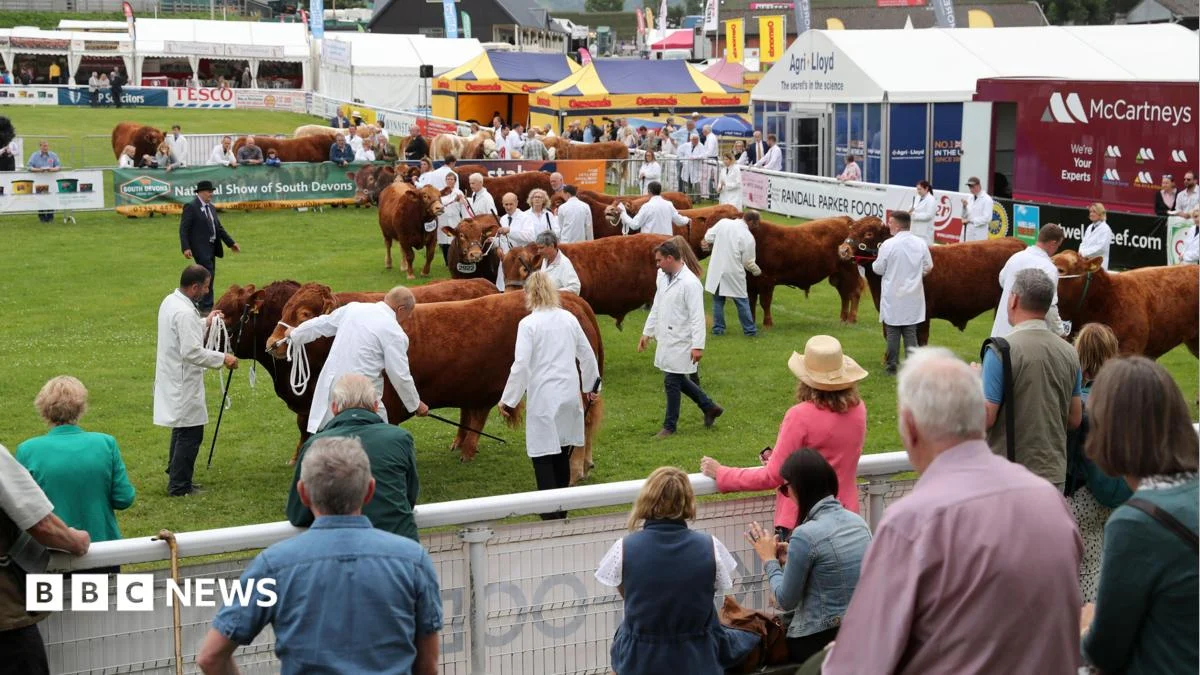
The Sustainable Farming Scheme represents a fundamental shift in agricultural support in Wales. It moves away from the previous EU-era subsidies, which were largely based on the amount of land owned, towards a system where payments are intrinsically linked to delivering environmental and climate-friendly outcomes. Farmers opting into the SFS must adhere to a comprehensive checklist of requirements, a cornerstone of which mandates that at least 10% of their land must be managed as habitat, fostering biodiversity and ecological resilience. This new approach aims to integrate food production with nature recovery and climate action, ensuring that Welsh farms contribute actively to broader environmental goals.
The financial commitment, effectively ring-fencing an annual budget that has consistently stood at £340 million, promises a total investment exceeding £1.3 billion over the next four years. This multi-annual funding framework is designed to provide farmers with the stability needed to plan for the future, make long-term investments, and confidently transition to more sustainable practices.
Caryl Davies, a dedicated beef and sheep farmer from Eglwyswrw, Pembrokeshire, shared her family’s decision to embrace the new scheme. "There are clear ways that farming and nature can work together," she explained, highlighting the potential for improved soil health and better crop yields as a direct result of the scheme’s requirements. Davies particularly welcomed the assurance of a ring-fenced budget over several years, stating it would "give people a bit more confidence they’ve made the right decision" by signing up. The ability to plan with a degree of financial foresight is crucial for any farming enterprise, she noted.
Retired livestock auctioneer Alwyn Jones, proudly showcasing his pedigree Welsh Black cattle at the show, echoed the sentiment regarding financial predictability. "A three-year plan gives you some certainty about what you’re going to get," he acknowledged. However, Jones quickly tempered his optimism with a dose of reality, pointing out that while welcome, the allocated funds might not stretch far enough given the escalating operational costs faced by farmers today. "Everything has gone dearer," he lamented, referencing the significant increases in fuel, feed, fertiliser, and machinery costs. Stephen Roberts from Denbigh concurred, suggesting that while a three-year budget was a positive step, "five years would be better and a bit more money obviously," to truly insulate farmers from market volatilities and allow for more ambitious long-term projects.
Farming unions, representing the collective voice of the industry, largely welcomed the announcement of multi-annual funding, albeit with caveats. Abi Reader, president of NFU Cymru, expressed the industry’s genuine appreciation for the commitment. "If we were still in the EU we would have a seven-year cycle so we’re not quite there but at least we know for the next three years it’s certain," she observed, underscoring the ongoing desire for even longer-term planning horizons. Reader also acknowledged the prevailing economic climate, recognizing that achieving a significant "budgetary uplift" would be "a real challenge" for the government.
Ian Rickman, president of the Farmers’ Union of Wales (FUW), emphasized the critical need for stability in a sector plagued by "significant financial uncertainty" in recent years. This uncertainty, he noted, has made it "increasingly difficult for businesses to plan with confidence and make informed long-term financial decisions." The FUW has been a consistent advocate for a five-year funding framework, making today’s commitment to provide certainty until March 2030 (implying a six-year horizon for some aspects of the scheme) a "welcomed relief for the family farms of Wales." This commitment, he added, offers a much-needed foundation upon which farmers can build their sustainable futures.
Environmental groups, who view farmers as crucial custodians of the Welsh landscape, also weighed in on the funding announcement. Rachel Sharp of Wildlife Trusts Wales articulated the profound impact of the SFS, stating that "the choices made through the SFS will shape the rivers we swim in, the wildlife we see, the food we eat and the way Welsh communities cope with floods, drought and a changing climate." She highlighted that these choices, far from being a "distant policy debate," directly affect the daily lives and environmental resilience of the entire nation. Wildlife Trusts Wales, alongside partners like the RSPB and National Trust, had previously called for a doubling of the SFS budget to adequately fund the ambitious nature restoration and climate change mitigation efforts required across the 90% of the Welsh landscape managed by farmers. Sharp voiced her disappointment with "sticking with the same budget level," urging ministers to swiftly release full details of the scheme’s optional and collaborative funding pots to ensure maximum participation and impact.
As part of the budget announcement, the government also revealed details for some of the optional choices available to farms under the SFS. Notably, funding to support farms transitioning to organic production will become available from the end of the month. This move was warmly received by the Soil Association Cymru, who hailed it as "good news for Welsh food and farming," recognizing the growing consumer demand for organic produce and the environmental benefits associated with organic practices.
Llyr Gruffydd, the Cabinet Minister for Rural Resilience and Sustainability, robustly defended the government’s approach. "Farmers told us loud and clear they need certainty and stability – and that is exactly what we are delivering," he asserted. Gruffydd acknowledged the broader financial pressures facing public spending, stating, "I don’t think anybody is under any illusion about the financial challenges we’re all facing these days – there are requirements to cut back and to freeze funding." He positioned the current budget as a "baseline" that would be "ring-fenced for the industry," pledging his personal commitment to "leverage more money out of government towards the sector" if any opportunity arose. "Realistically this is what we can guarantee," he concluded, emphasizing that "the big difference is we are guaranteeing it for a minimum of three years," offering a tangible level of security previously absent.
Opposition parties, however, were quick to criticize the announcement. Reform UK Wales acknowledged that the announcement provided "greater certainty for the industry" but argued it "fails to recognise the significant increase in cost pressures facing Welsh farmers." They highlighted that the £340 million annual budget has remained at the same nominal level since 2012. Despite years of relentless inflation and soaring costs for essential farming inputs like fuel, feed, fertiliser, and machinery, farming organizations have consistently advocated for an annual budget closer to £500 million to accurately reflect these mounting pressures.
Laura Anne Jones, Reform UK Wales’ shadow cabinet secretary for food, declared that "This announcement must be the beginning, not the end." She stressed the imperative for a scheme that is truly inclusive, capable of working effectively "for every sector and every type of farm." Jones expressed hope for a "second announcement on the Sustainable Farming Scheme that will ensure it’s more flexible and less bureaucratic," addressing concerns about administrative burdens that often accompany new agricultural policies. Andrew RT Davies, the Welsh Conservative shadow farming minister, went further, branding the commitment as "Plaid Cymru’s real terms cuts to farm support," warning that it would "devastate the sector" and fell "far short of what farmers warned is required" to thrive in a challenging economic and environmental landscape.
The Sustainable Farming Scheme’s substantial budget, therefore, marks a pivotal moment for Welsh agriculture, offering both a foundation for sustainable practices and a focal point for ongoing debate about the adequacy of funding, the duration of certainty, and the flexibility needed to truly support the diverse farming community of Wales.

 George Anjay
 Nakalama John
 atisusanti
 Ramos Leo
 Roy Suryo