Roy Suryo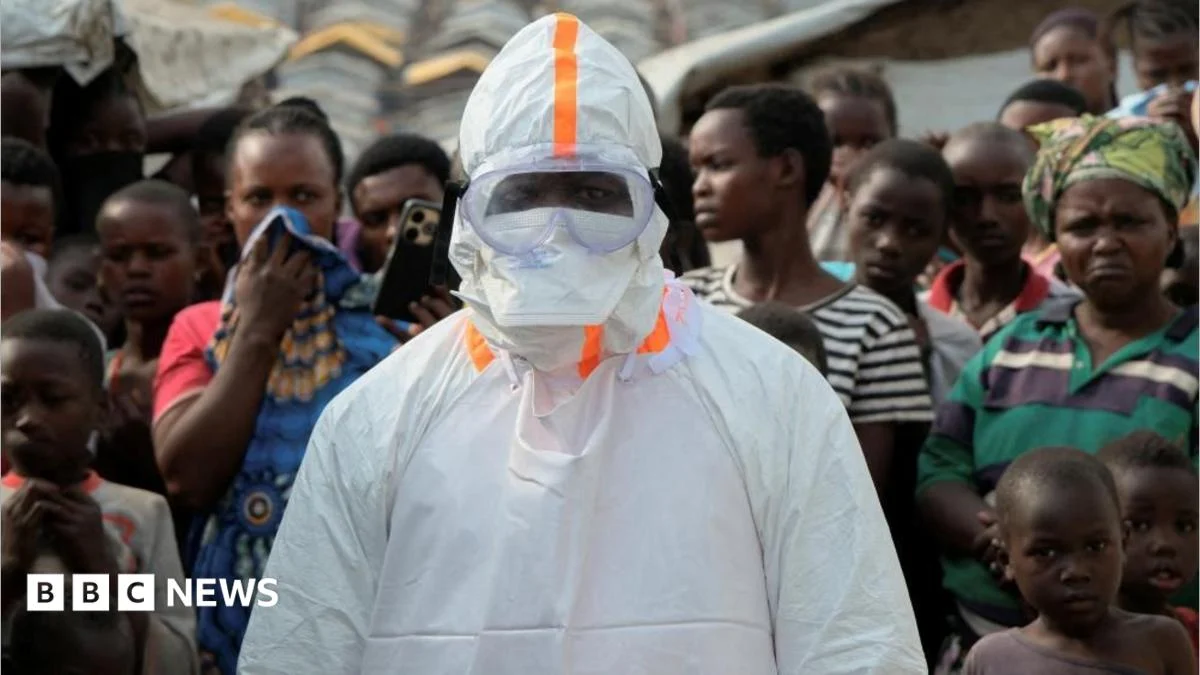
A UK resident humanitarian worker, who has been medically evacuated to the United Kingdom following a potential healthcare-related exposure to the Ebola virus in the Democratic Republic of Congo, is currently undergoing precautionary assessment and monitoring at a London hospital. The UK Health Security Agency (UKHSA) has confirmed that the individual, whose identity remains confidential, is asymptomatic at this time, underscoring the purely precautionary nature of the transfer. The individual’s well-being is being closely observed in a controlled hospital environment, a measure designed to ensure the utmost safety and preparedness in the unlikely event of symptom development.
While the specific hospital where the worker is being monitored has not been publicly disclosed, the Royal Free Hospital in north London is widely recognised for its advanced capabilities in managing high-consequence infectious diseases. This facility boasts a high-level isolation unit, specifically equipped to handle such situations with stringent containment protocols and specialized medical teams. Its designation as the primary national centre for these types of infections makes it the most probable location for such a precautionary measure.
The incubation period for Ebola virus disease is a critical factor in monitoring and management. This period can range significantly, from a minimum of two days to a maximum of 21 days following exposure. During this entire timeframe, the humanitarian worker will be required to isolate, meaning they will be kept separate from the general population to prevent any potential, albeit highly improbable, transmission. This isolation protocol is a standard and essential component of managing potential exposure to pathogens with such an incubation window.
The individual in question had been actively engaged in humanitarian efforts, specifically supporting the critical response to the ongoing Ebola outbreak in the Democratic Republic of Congo. This work, while vital and commendable, inherently carries a higher risk of exposure to infectious agents, especially in challenging healthcare environments. The decision to medically evacuate and monitor the worker in the UK reflects a proactive approach to safeguarding both the individual and the public health of the nation.
Ebola is a formidable and highly dangerous pathogen, requiring a nuanced understanding of its transmission dynamics. It is crucial to distinguish Ebola from airborne viruses such as influenza or COVID-19. Unlike these illnesses, Ebola is not transmitted through the air. Instead, its spread is facilitated through direct contact with the bodily fluids of an infected individual, or through contact with contaminated environments and materials. This direct contact transmission route, while serious, means that containment strategies can be highly effective if rigorously implemented.
The initial symptoms of Ebola are often insidious, presenting in a manner that can mimic more common illnesses like the flu or malaria. These early signs typically include a sudden onset of fever, accompanied by headaches and a general feeling of tiredness or malaise. As the disease progresses, more severe symptoms manifest, including persistent vomiting and diarrhoea. In its most severe forms, Ebola can lead to multi-organ failure, a life-threatening complication. While not a universal symptom, some infected patients may also experience internal and external bleeding, a particularly distressing manifestation of the disease. The severity and presentation of symptoms can vary significantly among individuals.
Richard Pebody, director of epidemic and emerging infections at UKHSA, has emphasized that the risk to the general public in the UK remains exceptionally low. He stated, "The risk to the general public remains low." This reassurance is based on the understanding of Ebola’s transmission mechanisms and the robust public health infrastructure in place. Mr. Pebody further elaborated on the rationale behind the precautionary transfer, noting, "This individual has been transferred out of an abundance of caution, and we’re pleased they remain well." This statement highlights the proactive and preventative nature of the current measures, prioritizing the well-being of the humanitarian worker while maintaining vigilance.
The UK Health Security Agency has unequivocally stated that there are currently no confirmed cases of Ebola within the United Kingdom. This fact reinforces the current situation as one of preemptive monitoring and risk mitigation, rather than an active outbreak scenario. The UK has a long-standing and well-developed preparedness plan for a wide range of infectious diseases, including Ebola. This plan encompasses robust surveillance systems, advanced diagnostic capabilities, specialized treatment facilities, and highly trained healthcare professionals.
The medical evacuation of humanitarian workers from regions experiencing outbreaks is a critical component of international health security. These individuals often work in challenging and resource-limited settings, where the risk of exposure is elevated. Their safe return and subsequent monitoring are not only a humanitarian imperative but also a vital part of preventing the international spread of dangerous pathogens. The UK’s commitment to supporting global health initiatives and ensuring the safety of its citizens, including those who dedicate their careers to assisting others in crisis zones, is demonstrated through such actions.
The rigorous protocols in place for managing potential Ebola exposures in the UK are designed to be multi-layered and comprehensive. These include immediate isolation upon arrival, thorough medical assessments, and continuous monitoring for any signs or symptoms of the virus. Diagnostic testing, if deemed necessary based on clinical evaluation, can be conducted rapidly by specialized laboratories. The healthcare professionals involved are equipped with the latest knowledge and protective equipment to ensure their own safety and to prevent any potential transmission within the healthcare setting.
The Democratic Republic of Congo has a history of Ebola outbreaks, with the virus endemic to certain regions. The current outbreak, while a serious concern for the affected areas, is being managed by local and international health organizations working collaboratively. The UK’s engagement in providing support and expertise to these response efforts underscores its role as a global health partner. The decision to medically evacuate a UK resident worker is a demonstration of the UK’s responsibility to its citizens, particularly those undertaking critical work in high-risk environments.
The public health messaging surrounding Ebola is crucial in preventing unnecessary alarm and ensuring that individuals understand the realities of the disease. Emphasizing that Ebola is not airborne and requires direct contact with bodily fluids is key to dispelling misinformation and promoting appropriate safety practices. In the context of this current situation, the UKHSA’s clear communication aims to provide accurate information and maintain public confidence in the nation’s preparedness.
The humanitarian worker’s dedication to assisting in the Ebola outbreak response in the DRC is a testament to their commitment to global health. Their current situation, while requiring vigilance, is being managed with the highest standards of care and safety. The precautionary measures implemented are a standard and necessary response to a potential exposure event, ensuring that any possibility of onward transmission is meticulously controlled. The UK’s robust healthcare system and its specialized facilities are well-equipped to handle such scenarios, providing a safe environment for the individual and reassurance for the public. The ongoing monitoring will continue until the end of the incubation period, at which point, if no symptoms have developed, the individual will be cleared. This systematic approach underscores the thoroughness of the UK’s public health strategy.




 Nakalama John
 atisusanti
 Ramos Leo