
 Ramos Leo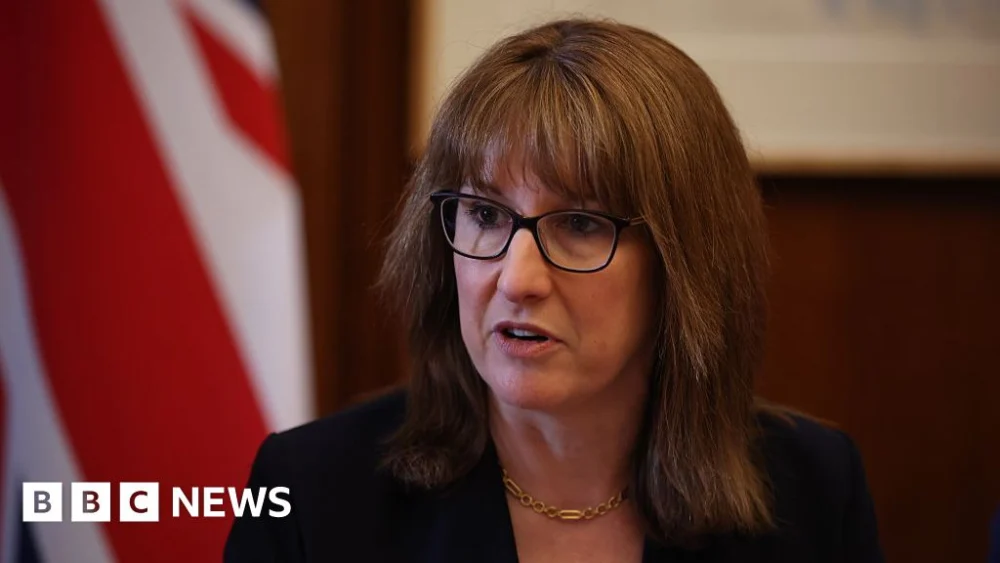
Chancellor Rachel Reeves is set to unveil a comprehensive package of support designed to alleviate the financial burden on households grappling with surging heating oil costs, a direct consequence of the escalating global impact stemming from the US-Israel conflict in Iran. The announcement, anticipated early next week, signals a proactive governmental response to a rapidly deteriorating energy market, particularly affecting off-grid communities.
In a candid interview with The Times, Ms. Reeves confirmed her commitment, stating she had "found the money" necessary to fund these vital interventions. Beyond immediate relief for heating oil users, the Treasury is actively exploring "different options" aimed at bolstering support for the broader cohort of vulnerable households facing exorbitant energy bills across the country. This dual-pronged approach underscores the government’s recognition of both the immediate crisis in the heating oil sector and the ongoing challenges posed by wider energy price volatility.
The recent spike in global oil prices, triggered by the profound geopolitical instability in the Middle East, has had a disproportionate effect on heating oil. Unlike mains gas and electricity, which are subject to regulatory oversight through Ofgem’s energy price cap, heating oil operates in an unregulated market, leaving its consumers exposed to the full force of international price fluctuations. This critical distinction means that while the broader energy price cap is projected to decline in April, offering some respite to many, those reliant on heating oil face continued, unmitigated increases.
A government spokesperson reiterated the administration’s awareness of public anxiety, stating, "We know that people are concerned about the potential impact of global conflicts on the cost of living." Emphasizing the gravity of the situation, they added, "While it is too soon to know the full impact of this crisis, as the Chancellor said, she will take the necessary decisions to help families with the cost of living and protect the public finances." This statement highlights the government’s delicate balancing act between providing crucial support and maintaining fiscal responsibility amidst an unpredictable global economic landscape.
Approximately 1.7 million households across England and Wales depend on kerosene for their heating and hot water needs. These are predominantly rural properties, often older, less energy-efficient, and located in areas lacking connection to the national gas grid. Their geographic isolation frequently means limited access to alternative, cheaper heating solutions and a greater susceptibility to delivery costs and market volatility. The situation is even more acute in Northern Ireland, where a staggering almost two-thirds of homes (62.5%) are reliant on heating oil, underscoring the regional disparities in energy infrastructure and vulnerability.
"We’ve worked through with MPs and others a response for people who are not protected by the energy price cap," Reeves conveyed to The Times, indicating extensive consultation and a targeted approach to the issue. This suggests the package may include direct financial assistance, such as one-off payments or vouchers, or potentially mechanisms to subsidise bulk oil purchases for communities, aiming to leverage collective buying power. Another possibility could involve a temporary, government-backed price cap or rebate scheme specifically for heating oil, mirroring some elements of previous broader energy support.
Beyond heating oil, the Chancellor also addressed concerns regarding gas and electricity bills. Looking ahead to the next Ofgem price cap review in July, Ms. Reeves confirmed the government is meticulously working through "different scenarios" and will consider "more targeted options" to assist households. This strategic foresight acknowledges the persistent underlying inflationary pressures and the potential for renewed upward pressure on wholesale gas prices, even as the April cap brings a temporary reprieve.
Indeed, household energy bills are forecast to fall by approximately 7% in April, a result of both a decrease in wholesale prices and a recent shake-up in charges implemented by the government. However, this welcome reduction offers only partial relief. Energy costs remain stubbornly about a third higher than they were prior to the onset of the war in Ukraine, which first sent shockwaves through global energy markets. The cumulative effect of sustained high prices has led to a significant ballooning of household energy debt, pushing many families into precarious financial positions.
The continuing geopolitical turmoil in the Middle East, particularly the conflict involving the US and Israel in Iran, casts a long shadow over the future energy outlook. Analysts warn that should the conflict intensify or broaden, gas and electricity bills could face dramatic hikes from July onwards, once Ofgem’s current price cap cycle concludes. The primary driver for such increases would be a further surge in wholesale gas prices, directly influenced by heightened risk premiums, potential supply disruptions in key shipping routes like the Strait of Hormuz, and speculative market behaviour.
The Chancellor’s remarks on heating oil and broader energy costs follow a critical meeting held on Friday between government ministers and petrol retailers. This summit was convened amidst growing alarm over the jump in oil costs, which has propelled petrol prices to an 18-month high at the pumps. The Petrol Retailers Association (PRA), representing numerous independent fuel stations, vociferously rejected suggestions from ministers that "price gouging" might be occurring. The accusation, which implied retailers were unduly inflating prices, nearly led to the PRA’s withdrawal from the talks, highlighting the fraught nature of the discussions.
Speaking prior to the contentious meeting, Energy Secretary Ed Miliband expressed profound concern, stating that he and the Chancellor were "really concerned" about perceived irregularities and lack of competition in certain segments of the fuel market. He referenced earlier warnings from the Competition and Markets Authority (CMA), the UK’s primary competition watchdog, which had raised similar concerns in December regarding the fairness of fuel pricing. Miliband confirmed that he and Reeves had met with the CMA earlier in the week specifically to discuss both heating oil and motor fuel markets, signaling a potential for further regulatory scrutiny or intervention.
Amidst the anxieties surrounding fuel prices, the Prime Minister’s cost of living tsar, Lord Walker, offered a degree of reassurance. Speaking on BBC Newsnight on Friday, Lord Walker affirmed that "petrol supplies are good in the UK" and stressed, "there’s no need to panic, the UK is in a good position." While his comments aimed to calm public fears about immediate shortages, the underlying concerns about price volatility and affordability persist.
Adding another layer to the fuel debate, it was confirmed by Energy Secretary Miliband that the planned rise in fuel duty, currently frozen, which is scheduled to take effect in September, is now officially under review. This potential policy shift comes as the government grapples with the dual pressures of managing public finances and alleviating the cost of living crisis.
Unsurprisingly, the opposition has seized upon the issue. Conservative leader Kemi Badenoch has publicly urged Chancellor Reeves to scrap the impending fuel duty increase entirely. Furthermore, Ms. Badenoch advocated a more fundamental shift in energy policy, calling for the UK to "start drilling" for oil in the North Sea. This stance champions the idea of enhancing domestic energy security and potentially reducing reliance on volatile international markets, albeit sparking renewed debate on environmental commitments and the long-term transition to renewable energy sources. The escalating energy crisis, therefore, has become a central battleground in the broader political and economic discourse, with no easy solutions in sight.




 Roy Suryo

 Nakalama John
 atisusanti
