
 George Anjay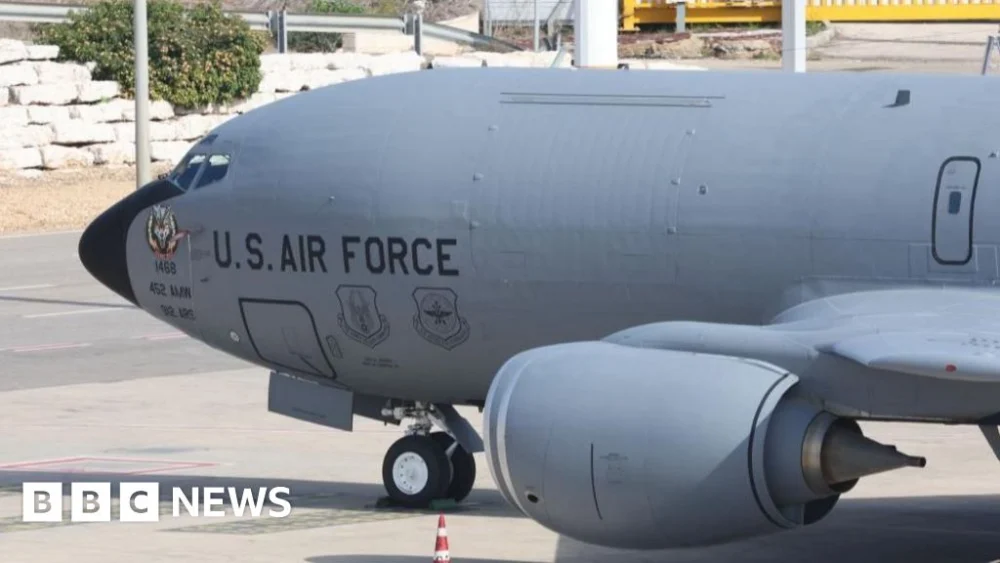
Rescue operations are underway following the crash of a United States Air Force KC-135 Stratotanker aircraft in western Iraq, a US Central Command (Centcom) spokesperson confirmed. The incident, which occurred in a region of Iraq known to be frequented by pro-Iranian militias, has raised immediate concerns about the status of the aircraft’s crew and the potential implications for regional security. Centcom has explicitly stated that neither hostile nor friendly fire was the cause of the downing, suggesting a potential mechanical failure or accident.
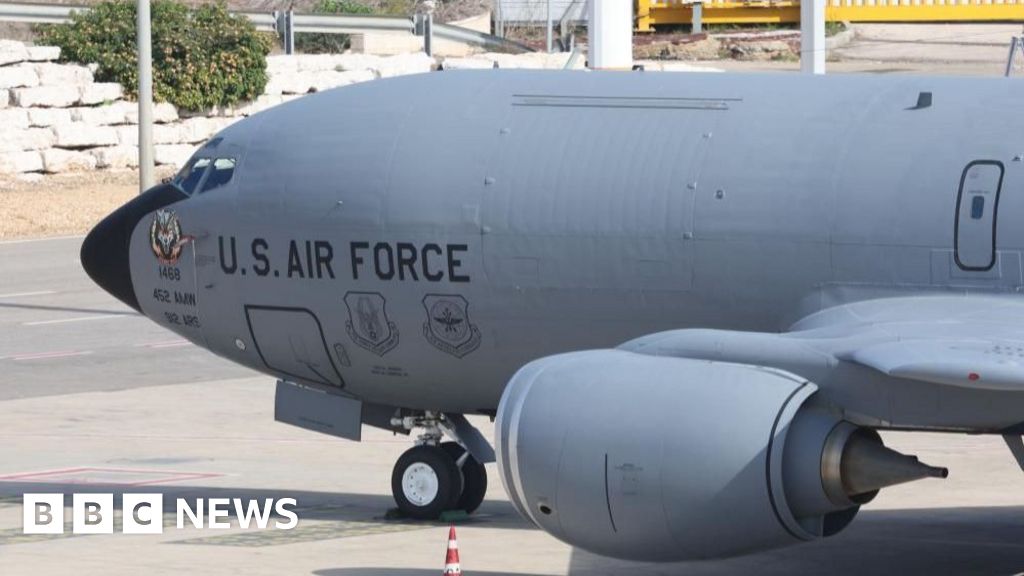
The KC-135 Stratotanker, a veteran of aerial refueling operations for decades, was reportedly involved in ongoing US operations targeting Iran. It was one of two aircraft engaged in these operations at the time of the crash; the second aircraft landed safely, providing a stark contrast to the fate of its counterpart. The Boeing-manufactured aircraft are critical assets for extending the operational range of fighter jets and bombers, playing a pivotal role in power projection and sustained air campaigns. Their extensive use in conflicts like the first Gulf War underscores their strategic importance in enabling long-duration missions without the need for frequent ground refueling.
Typically, a KC-135 carries a crew of three: a pilot, a co-pilot, and a boom operator responsible for the complex task of transferring fuel mid-air. However, in this instance, it is believed that six service personnel were aboard the ill-fated aircraft. The status of these six individuals remains unclear, a point of significant concern for military officials and their families, as reported by the BBC’s US partner, CBS News.
Centcom characterized the crash site as being within "friendly airspace." This designation, however, is juxtaposed with the reality of the region, which is known for the presence and activity of pro-Iranian militias. In a development that adds a layer of complexity to the official narrative, Iran’s military claimed on state television that an allied group within Iraq had targeted the KC-135 with a missile. This assertion, if substantiated, would drastically alter the understanding of the incident from a potential accident to a deliberate act of aggression, with significant geopolitical ramifications.
Following the initial reports, Democratic Congressman Jim Himes, a member of the exclusive "Gang of Eight" – a group of senior US lawmakers who receive regular briefings on national security and intelligence matters – appeared on BBC Newsnight. He emphasized the nascent stage of the investigation, stating it was "too early to tell specifically what had led to the crash." He reiterated the typical crew size of a KC-135, expressing the collective hope that the personnel on board would be found safe. Himes also offered a broader perspective, framing the incident as an "inevitable cost of a conflict," acknowledging that even highly capable militaries are not immune to accidents.
The crash occurs against the backdrop of escalating tensions in the region. Since the commencement of the war between the US and Iran, seven US soldiers have been confirmed killed in the ongoing conflict. The loss of the KC-135 marks a significant addition to the US military’s inventory of aircraft lost during this period, with at least four aircraft now having been lost. This includes a recent incident earlier in the month where three F-15 fighter jets were shot down over Kuwait in what officials described as an "apparent friendly fire incident." Fortunately, in that instance, all six crew members were able to eject safely, a stark contrast to the unknown fate of the KC-135 crew.
The KC-135 Stratotanker, a derivative of the Boeing 367-80, was first introduced into service with the US Air Force in the late 1950s and early 1960s. Despite its age, the aircraft has remained a critical component of the US military’s strategic air command for over six decades, embodying remarkable longevity and adaptability. Its primary function as an aerial refueling platform has been instrumental in enabling US air power projection across vast distances, allowing combat aircraft to remain airborne for extended durations, thereby enhancing operational flexibility and strategic reach. The continued reliance on these aging but vital platforms highlights the enduring need for aerial refueling capabilities, even as the military explores next-generation solutions.
The investigation into the KC-135 crash will undoubtedly scrutinize all potential factors, from mechanical integrity and pilot error to the complex and volatile security environment in western Iraq. The conflicting accounts from Centcom and Iranian state media underscore the challenges of establishing a definitive narrative in a theater of operations rife with disinformation and competing interests. The outcome of this investigation will not only determine the immediate cause of the loss but could also shape future operational strategies and diplomatic engagements in the Middle East. The safe recovery of the crew, if possible, will be the paramount concern, followed by a thorough accounting of the circumstances that led to this latest aviation incident. The continued operations against Iran, and the associated risks, remain a focal point for policymakers and military planners alike, with this crash serving as a somber reminder of the inherent dangers involved. The aircraft’s design, while proven over decades, may also come under renewed scrutiny as questions arise about its performance and maintenance in such demanding operational conditions. The strategic implications of losing such a vital asset, particularly during a period of heightened regional instability, cannot be overstated.



 Nakalama John
 atisusanti
 Ramos Leo
 Roy Suryo
 Nana Banana