Roy Suryo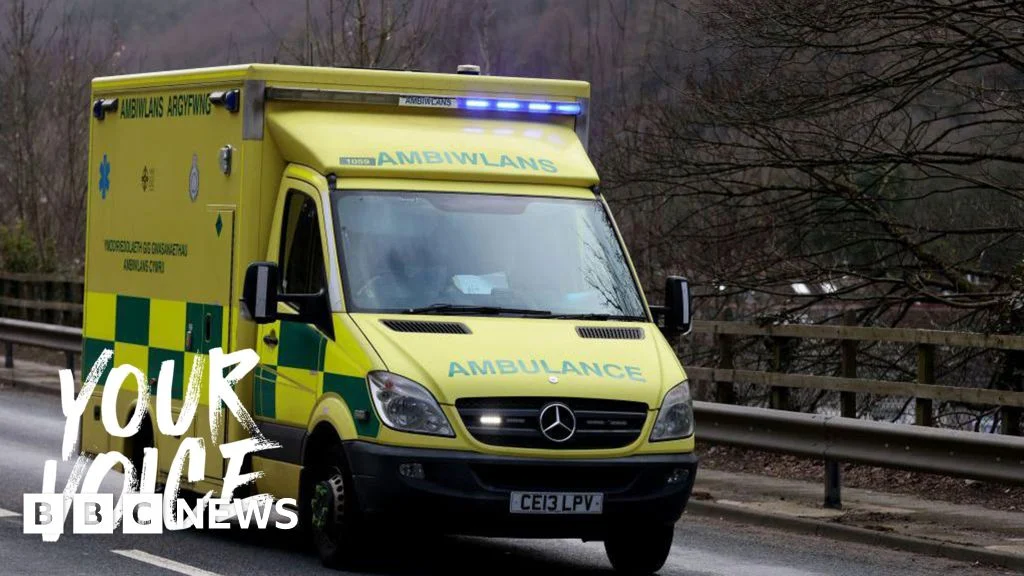
Newly qualified paramedics told to apply for jobs abroad due to hire freeze. Students training to become paramedics in Wales have been advised to seek employment opportunities internationally, as the Welsh Ambulance Service (WAS) has confirmed a recruitment freeze on newly qualified paramedics for the upcoming year. This unexpected announcement has sent shockwaves through the cohort of final-year paramedic science degree students, who face an uncertain future despite significant investment in their education.
The WAS has cited "financial and operational issues" as the primary reasons for its inability to offer positions to newly qualified paramedics this year. This decision comes as a stark contrast to previous years, where graduates would typically be fast-tracked into roles within the NHS Wales ambulance service, embarking on a structured career path. The revelation has led some students to explore overseas options, with destinations like Canada, New Zealand, and Australia being suggested, a move one student described as "crazy and shortsighted."
Carl Kneeshaw, a representative from the ambulance service, acknowledged the challenging circumstances, stating that the organisation is "navigating a difficult financial and operational landscape." He emphasised that recruitment decisions are made after careful consideration of various factors, including current staffing levels, service demand, workforce skill mix, and financial affordability. Despite the current freeze, Kneeshaw expressed the service’s commitment to supporting graduates as they explore their next career steps, encouraging them to consider roles as Emergency Medical Technicians (EMTs) or within other healthcare and social care sectors.
The degree-level training of paramedics in Wales is substantially subsidised by Healthcare Education and Improvement Wales (HEIW), a vital part of NHS Wales. This year’s cohort has benefited from millions of pounds in funding and bursaries, underscoring the significant public investment in developing these critical healthcare professionals. Two prominent Welsh universities, Swansea and Wrexham, are responsible for delivering the BSc paramedic science courses, with approximately 70 students slated to graduate this summer.
The news has been met with profound disappointment and frustration among the affected students. Many, who have requested anonymity due to concerns about future employment prospects, expressed their shock. One student revealed that advice to seek work abroad was given, with suggestions that a pattern of "retire and return" schemes—designed to retain experienced staff by allowing them to access pensions while continuing to work—has exacerbated workforce pressures within the ambulance service. Other students have pointed to a recent re-grading process within the WAS as a contributing factor to the current recruitment crisis.
A Swansea University student, also speaking anonymously, shared his experience of contacting ambulance services across the UK, only to find a scarcity of available positions. He described the situation as "extremely frustrating" but expressed a glimmer of hope for a paramedic role in Canada. Another student, identifying herself only as Alice, conveyed her devastation, lamenting the loss of opportunity in what she described as an "amazing career." Alex, another student who wished to remain anonymous, voiced his disillusionment, stating, "I had full intention of working in Wales and serving the Welsh communities. None of us will have the opportunity to serve anywhere in Wales as a paramedic." The reluctance of students to use their real names highlights the anxiety surrounding their future career paths.
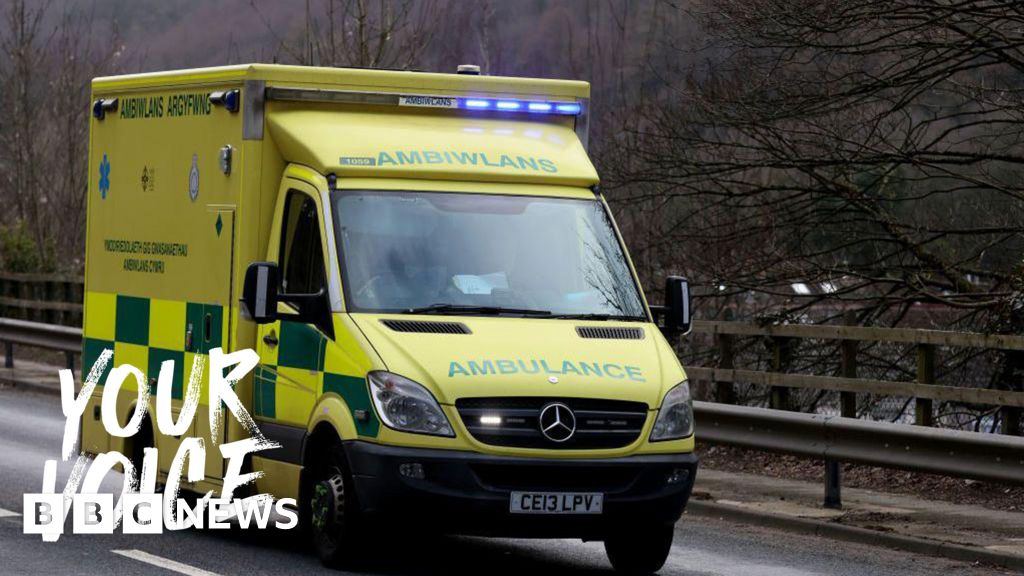
These aspiring paramedics have dedicated months to rigorous training and extensive placements, often undertaking demanding shifts in various parts of Wales, sometimes travelling over 100 miles from home. In previous years, a clear pathway existed for graduates to secure Newly Qualified Paramedic (NQP) roles within NHS Wales at an NHS band 5 pay scale. This was followed by a period of mentorship, typically lasting up to two years, before progressing to career paramedic positions at an NHS band 6 pay scale. However, the landscape has dramatically shifted, with only about a third of graduates in 2025 initially being offered NQP posts, and some being offered lower-band Emergency Medical Technician (EMT) roles instead of paramedic positions.
Swansea University has acknowledged the situation and stated its immediate priority is supporting its students. A spokesperson confirmed they are liaising closely with both the Welsh Ambulance Services Trust (WAST) and HEIW to understand the full implications and explore potential alternative solutions.
Kneeshaw reiterated the challenging operational environment: "Like many NHS organisations, we are navigating a difficult financial and operational landscape, which means that decisions about recruitment have to be based on a range of factors, including current staffing levels, service demand, workforce skill mix and affordability. Regrettably, as things stand, we are not in a position to employ newly qualified paramedics this year. We know this will be deeply disappointing for those hoping to start their careers with us, especially after the time, effort and commitment they have invested in their training, but we are committed to supporting them as they consider their next steps." He added that the WAS is encouraging graduates to consider EMT roles, for which recruitment is anticipated throughout 2026, or other positions within the broader health and social care sector. "We are working closely with our university partners and HEIW to understand the impact of this decision on graduates and future workforce planning," he stated, underscoring the immense value placed on the contributions of newly qualified paramedics.
Adding to the complexity, HEIW has informed the affected cohort that they are now considered "free agents," despite the bursary requirements that typically mandate graduates remain in Wales to work within the NHS. Simon Dunn, Head of Bargaining for Unison Cymru, has called on the Welsh government to collaborate with the service to "find solutions to this problem." He expressed a strong hope that graduates will remain committed to working within the NHS in the UK, and particularly in Wales, acknowledging the demanding nature of the profession.
A Welsh government spokesperson affirmed their commitment to aligning NHS education and training investments with meaningful employment opportunities. They confirmed ongoing close collaboration with WAST, HEIW, and universities to address these challenges and provide support for graduates.
The political ramifications of this decision have been swift and sharp. A Welsh Labour spokesperson stated their dedication to ensuring the NHS in Wales is adequately staffed for the present and future through a long-term workforce plan. However, other parties have voiced strong criticism. Jane Dodds, leader of the Welsh Liberal Democrats, condemned the decision as a "staggering waste of both talent and taxpayers’ money," questioning its logic in a period of prolonged ambulance response times and patient suffering. Plaid Cymru’s Dr. Gwyn Williams, a candidate for Gŵyr Abertawe, described the departure of these graduates from the Welsh NHS workforce as a "tragedy" that "threatens to worsen ambulance waiting times."
A Welsh Conservative spokesperson labelled the situation as a "clear failure of workforce planning by the Welsh Labour Government," deeming it "completely unacceptable that paramedic students are being left without job opportunities in Wales." Reform UK’s James Evans echoed these sentiments, stating the decision "makes a mockery" of Welsh taxpayers, highlighting the continued understaffing of the Welsh Ambulance Service and the financial burden on taxpayers. The Green Party has also been approached for comment on the matter. The crisis underscores a significant disconnect between training investment and available employment within Wales’s vital emergency medical services.

 George Anjay
 Nakalama John
 atisusanti
 Ramos Leo