
 Nana Banana
Among them is Mark Griffiths, a seasoned astrophotographer whose journey began six years ago with a somewhat disappointing trip to Shetland to see the Northern Lights. The weather foiled his initial attempt, but the spark was lit. He soon found himself captivated by the sky’s most spectacular events, evolving from a casual observer to an ardent pursuer. Armed with an impressive arsenal of two high-spec cameras, a specialist solar telescope, and a drone, Mark has just completed a grueling two-day drive from Cheshire, England, across France, and deep into Galicia, Spain. His destination: one of the prime viewing locations for this particular eclipse, where he hopes to capture every precious second.
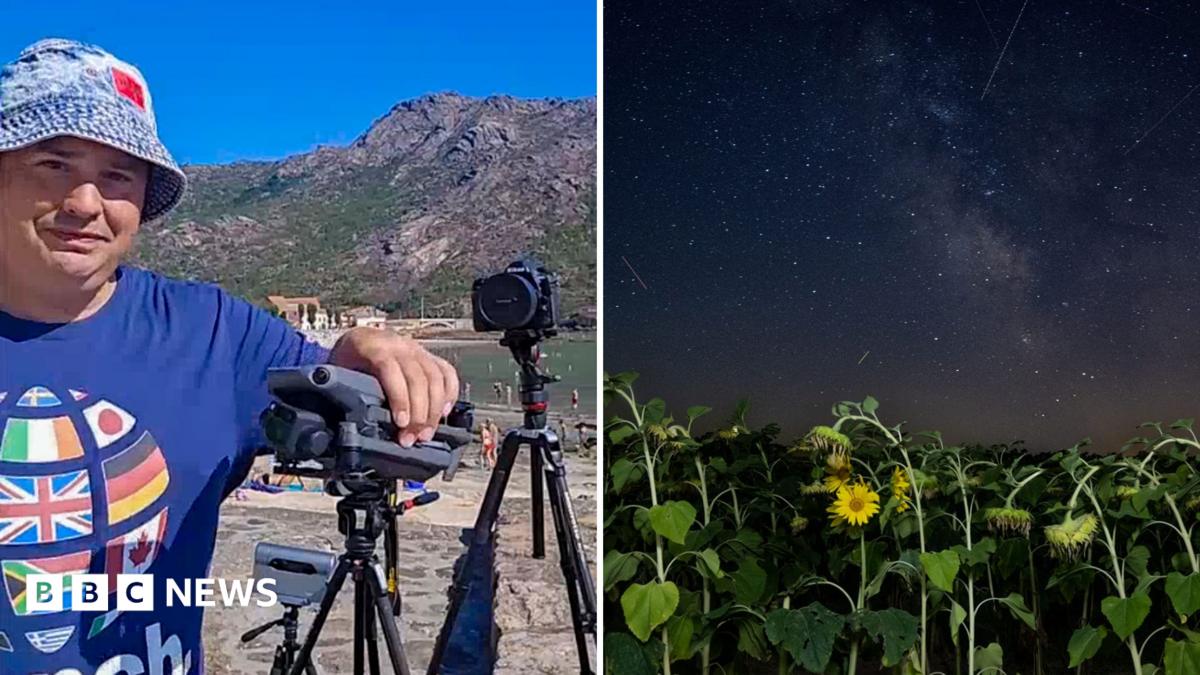
Mark’s initial foray into celestial photography saw him chase the aurora borealis countless times, leading tour groups to Iceland monthly, and documenting various auroras and bioluminescent phenomena. But a total solar eclipse, he explains, is different. It’s the ultimate prize, "like what the World Cup is to football" for enthusiasts. "I’ll be honest, it’s like an addiction now," he admits, recounting his sleep-deprived state after only pausing for a few hours in Bordeaux to photograph the night sky before continuing his marathon drive. The drive and exhaustion are a small price to pay for what he calls the "thrill of witnessing and capturing" such cosmic grandeur, a pursuit that demands significant investment in both time and specialized gear.
The path of this particular total eclipse is a narrow, sweeping band that begins its dramatic journey at the tip of Siberia. From there, it arcs across the vast Arctic Ocean, gracing parts of Greenland and Iceland, before traversing a significant stretch of the northern Atlantic. Its final terrestrial touchpoints before disappearing into the Mediterranean are the northern regions of Spain, including Galicia and the Balearic Islands. While other parts of Europe will experience a partial eclipse, it is within this precise path of totality that the magic unfolds. The total eclipse, in any given location, is a fleeting phenomenon, lasting only a couple of minutes – a brevity that paradoxically intensifies the experience and fuels the determination of eclipse hunters to cross oceans and continents.
A total solar eclipse occurs when the Moon passes directly between the Sun and Earth, completely obscuring the Sun’s disk. This perfect alignment is a remarkable cosmic coincidence: the Sun is about 400 times larger than the Moon, but the Moon is also about 400 times closer to Earth, making their apparent sizes in the sky almost identical. During totality, the sky darkens dramatically, stars and planets may become visible, and the Sun’s ethereal corona – its outermost atmosphere, normally hidden by the brilliant solar disk – flares into view, a shimmering, pearly white halo. Observers might also witness Baily’s Beads, where sunlight streams through lunar valleys just before and after totality, and the stunning "diamond ring" effect, a single brilliant bead of light resembling a diamond on a ring. The air cools, and animals often react, falling silent or becoming confused, adding to the otherworldly atmosphere.
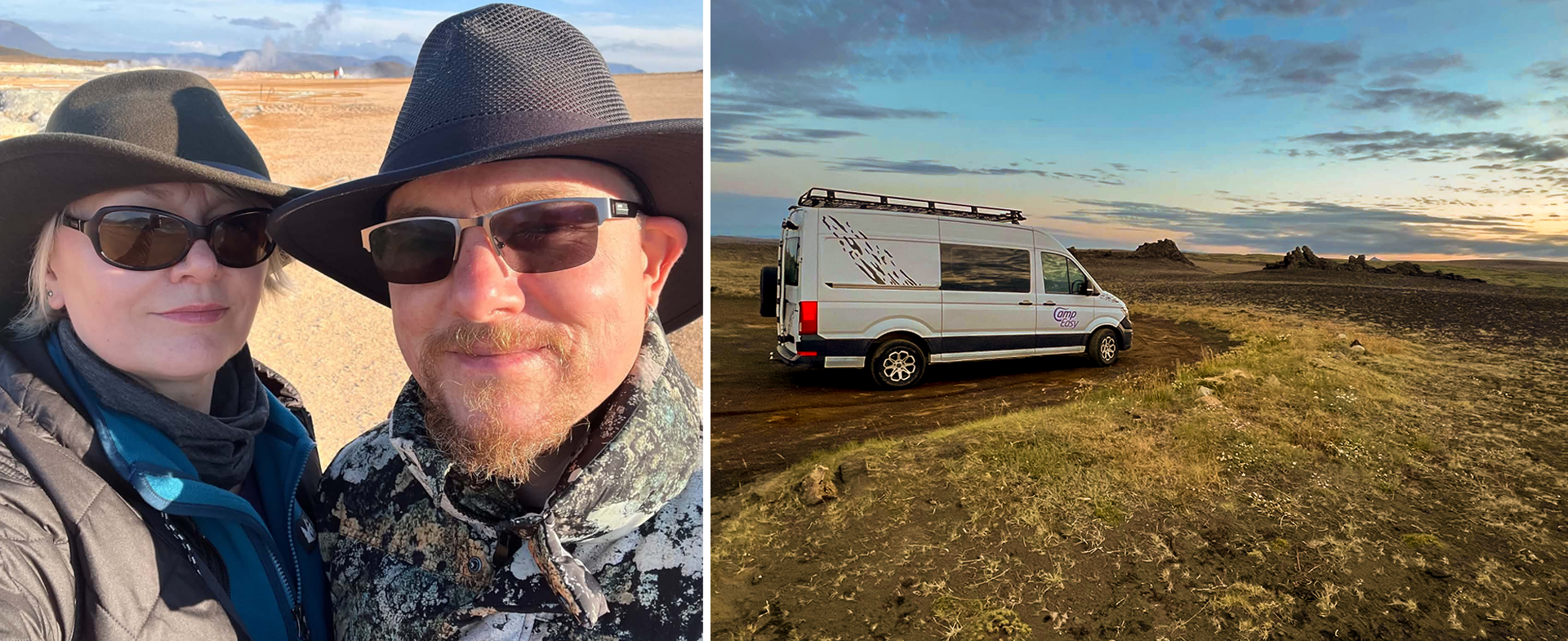
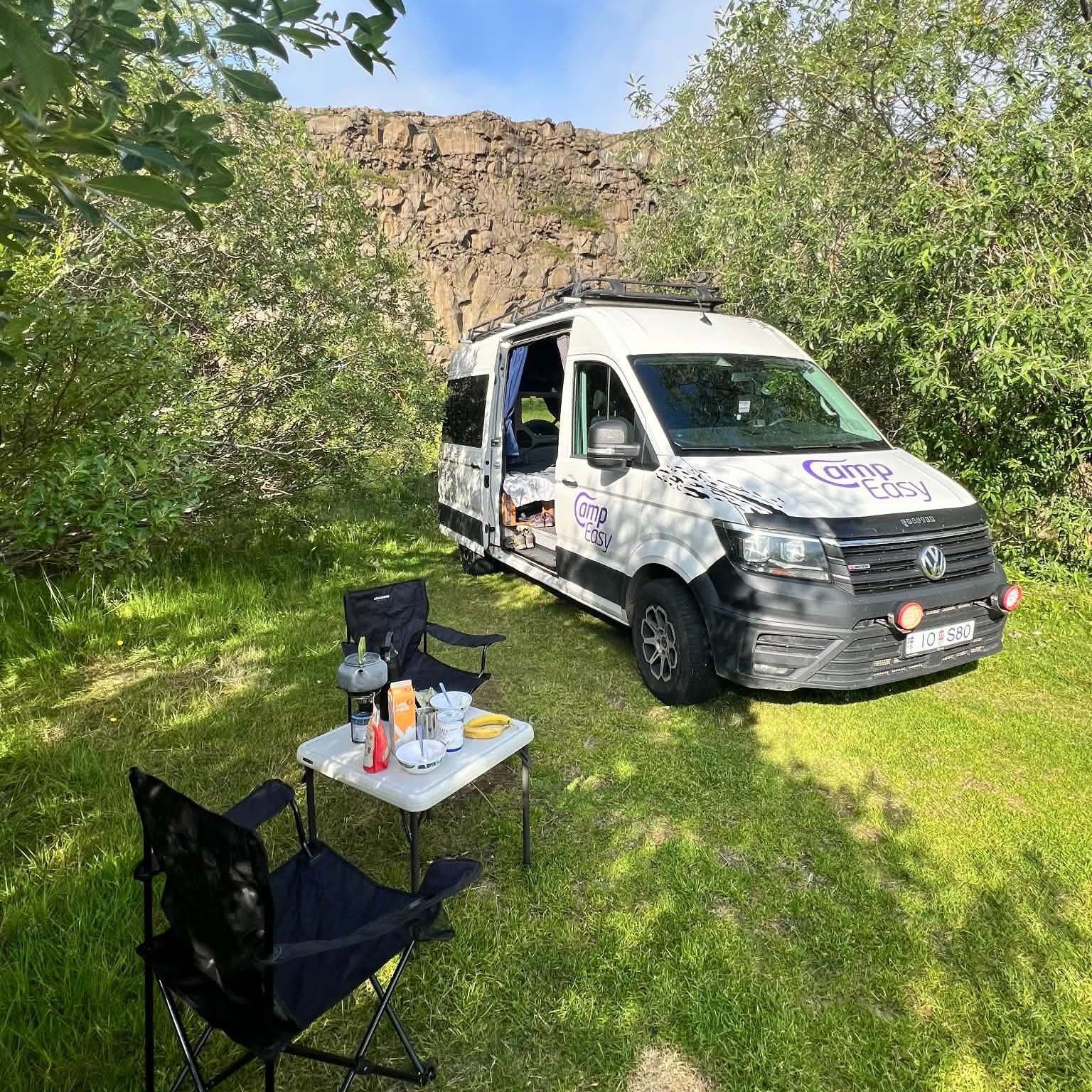
Samantha Phillips-Brown and her husband Gregory are another couple who have embraced this addiction. They’ve flown from upstate New York to Iceland, where they’ve rented a camper van, their mobile base for navigating to a remote viewing spot. This will be their second total solar eclipse, inspired by the "awe-inspiring power" of their first, which they witnessed near their home in 2023. Samantha vividly recalls the profound sensory shift: "It was such a phenomenal experience to see the Sun start going dark and hear, suddenly, the birds stop chirping. It’s just a very strange experience."
Gregory reflects on the historical perspective, imagining how Iceland’s first settlers, lacking scientific explanation, must have reacted to such an event over a millennium ago. "They really didn’t know what was happening, didn’t know how long it was going to last… it must have been quite terrifying for them, in a way." For modern-day chasers, the experience is one of wonder rather than terror, yet it still connects them to that ancient sense of awe. Their meticulous planning began over a year ago, booking flights and their camper van well in advance. Currently, they are exploring eastern Iceland, hiking and camping, before heading west. The path of totality crosses the western part of the island, specifically the rugged Westfjords peninsula, where they hope to find their ideal, unobstructed view. Samantha, whom Gregory affectionately describes as an "obsessive travel planner," is immersed in online communities – Facebook groups and social media pages – where eclipse hunters share vital information, advice, and updates, including rumors of potential road closures designed to manage crowds in remote areas. She anticipates a significant turnout, noting the abundance of eclipse glasses she’s already observed. "What I expect, as we start inching westward, is we’re going to see more and more of them," she says, underscoring the shared excitement among the global community of chasers.
Andrew Wills is also on an island quest, but one blessed with a warmer climate: Majorca. His trip is particularly poignant, as he is traveling with his wife and his 90-year-old father. This journey is a recreation of a cherished memory, as father and son witnessed Europe’s last total solar eclipse together in 1999. On that occasion, they stood atop St Agnes Beacon in Cornwall, a landmark believed to be a Bronze Age bowl barrow, offering panoramic views across the countryside and out to the Atlantic. Andrew remembers it was a cloudy day, preventing them from seeing "the shadow rushing across the sea towards us," but they did experience "the dawn appearing and it getting closer very quickly." Despite the clouds, he recalls it as "awe-inspiring."
For this Wednesday’s eclipse, Andrew holds high hopes for clearer skies in Majorca. He has booked a villa near Andraitx, a town nestled in the west of the island, and has already scouted a nearby spot that promises an excellent view across the sea. Given their location, the eclipse will occur low on the horizon, adding another layer of visual drama. Practical considerations are also key, especially with his father. "We’re going to take a couple of camping chairs with us, so Dad can sit if we can get there an hour or so before," he explains, highlighting the careful preparation involved in these expeditions. Majorca and Menorca hold a unique significance for this eclipse, as they will be the very last places on land to witness totality before the Sun sets and the moon’s shadow vanishes into the Mediterranean.
The magic of eclipses has captivated Andrew ever since that day in St Agnes. He marvels at the "amazing coincidence" that allows for such a perfect celestial alignment: the Sun, 400 times bigger than the Moon, yet the Moon, 400 times closer, creating a flawless shadow. This rare phenomenon, a fragile balance of cosmic mechanics, offers a profound perspective on our existence. It resonates with the sentiments of astronomer Carl Sagan, who, speaking of the iconic "Pale Blue Dot" photograph, reminded humanity of its humble place in the universe. "We are tiny little specks in a huge vast area of nothingness," Andrew reflects, echoing Sagan’s sentiment. "We’re amazingly lucky to be alive."
This blend of scientific marvel, adventurous travel, and profound philosophical reflection is what drives eclipse chasers around the world. It’s a pursuit that combines meticulous planning, resilience against unpredictable weather, and the joy of a shared, fleeting experience that transcends borders and generations. To chase an eclipse is to engage with the cosmos on a deeply personal level, to feel the pulse of the universe, and to be reminded, in the most spectacular way possible, of our fragile and precious place within it.



 atisusanti
 George Anjay
 Nakalama John

 Ramos Leo